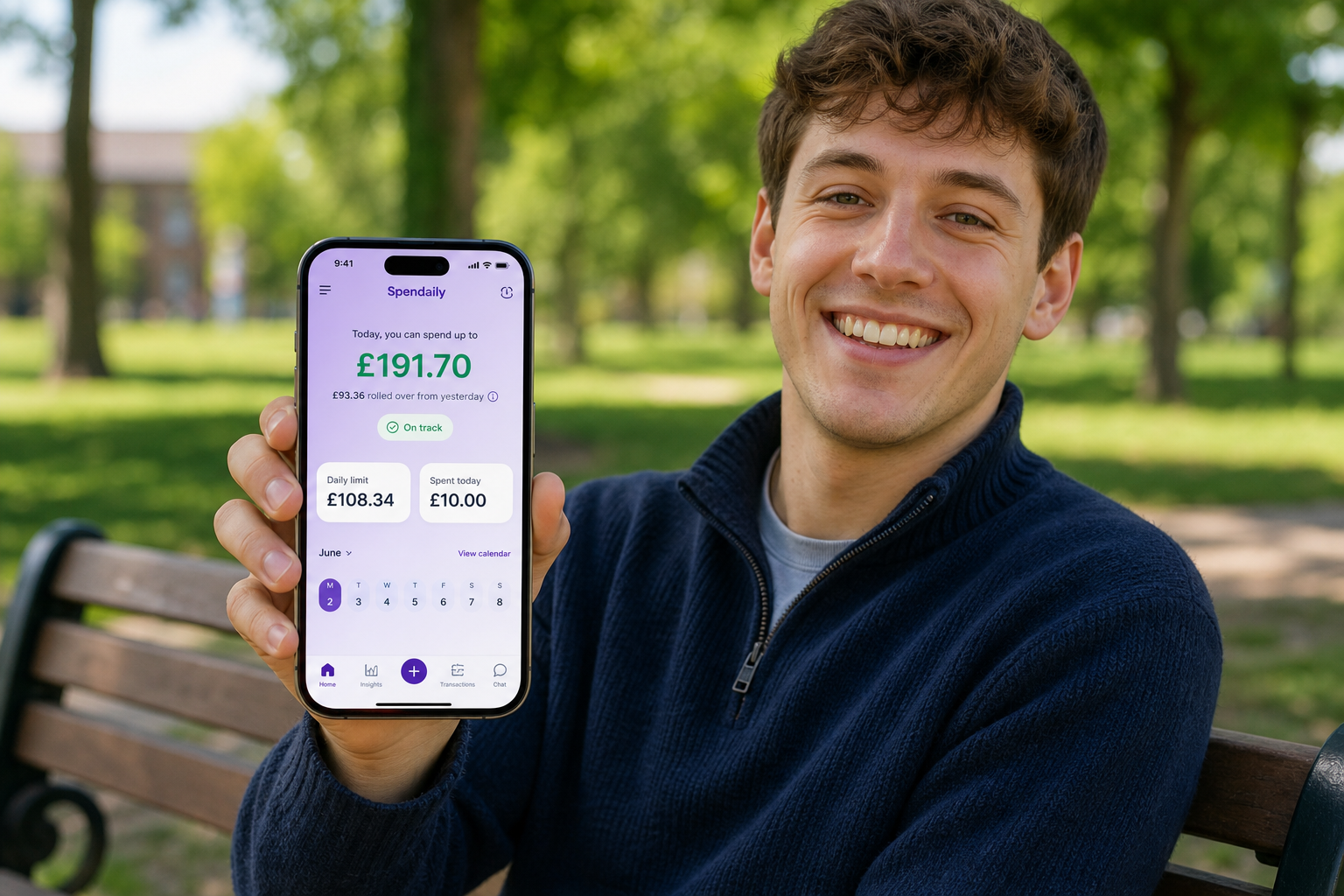
App discovery & comparisons
YNAB Alternatives: 7 Simpler or Cheaper Options (2026)
The best YNAB alternatives in 2026, whether you are leaving over the price, the effort, or the method. Free, manual and simpler options compared.
Tips, guides, and stories to help you budget smarter and save more, one day at a time.
83 articles · Plain text article index
The best YNAB alternatives in 2026, whether you are leaving over the price, the effort, or the method. Free, manual and simpler options compared.
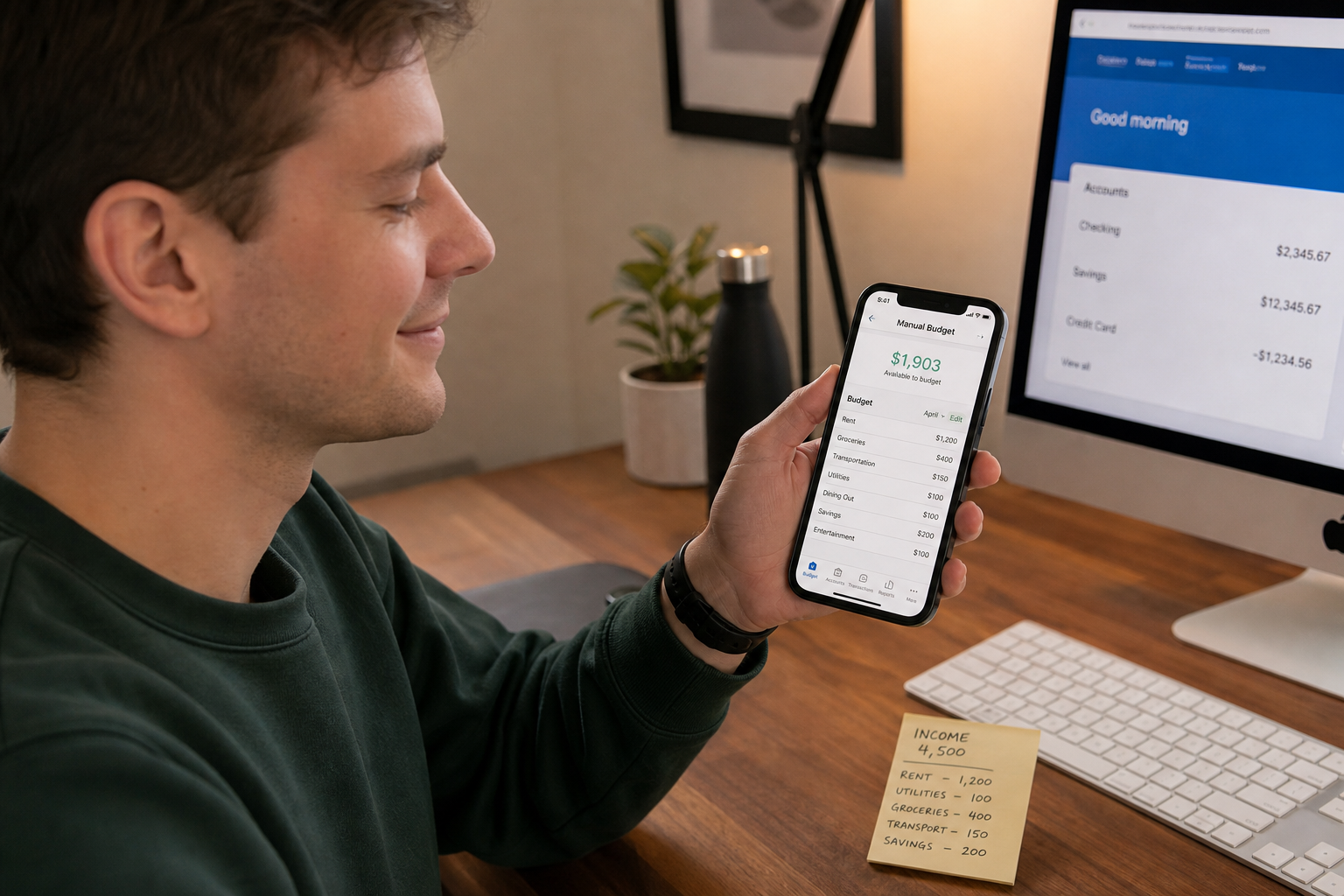
Daily budgeting works best when it’s built from real life: your pay cycle, your rent, your habits, your weak spots.
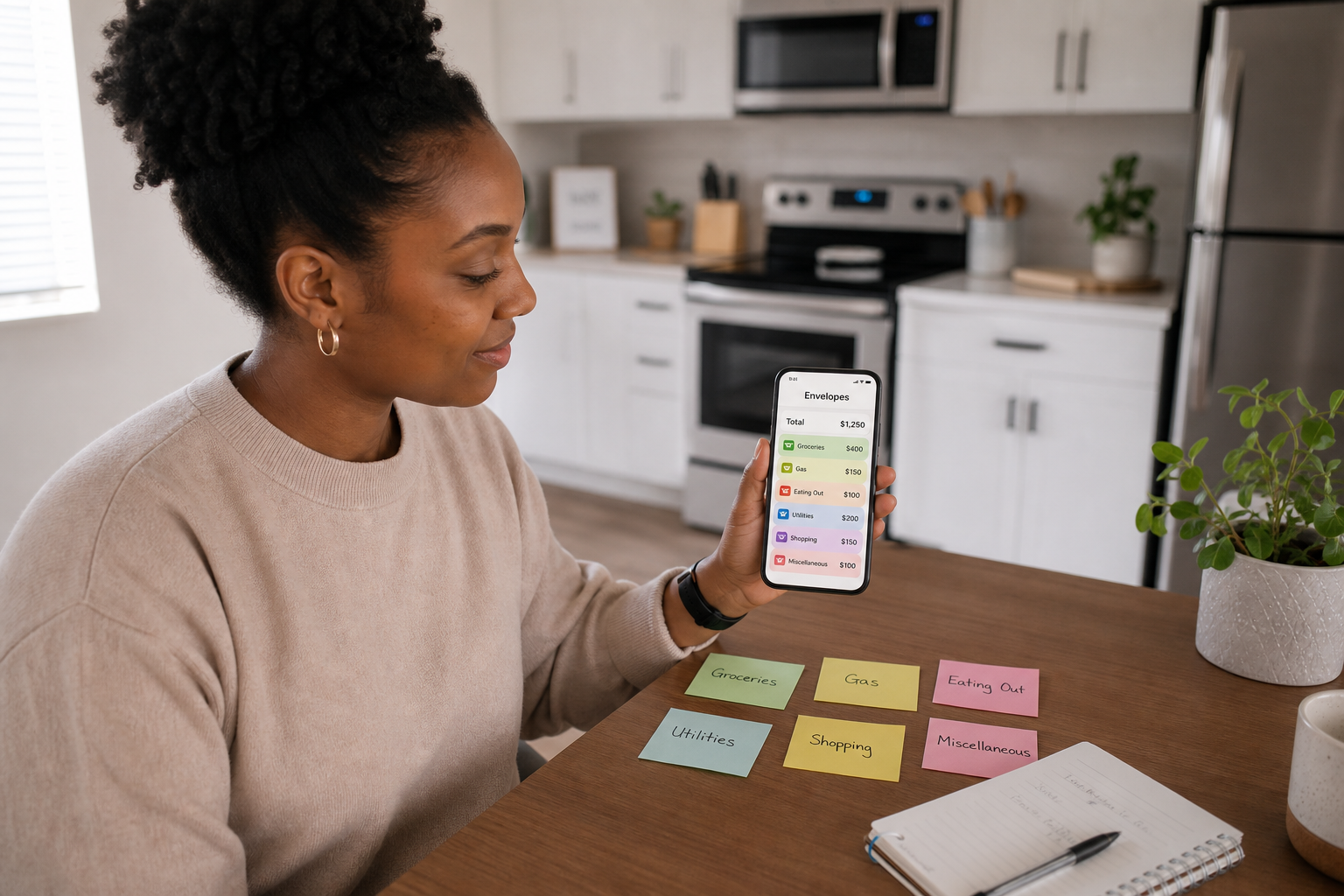
Impulse spending rarely happens because you’re bad with money.
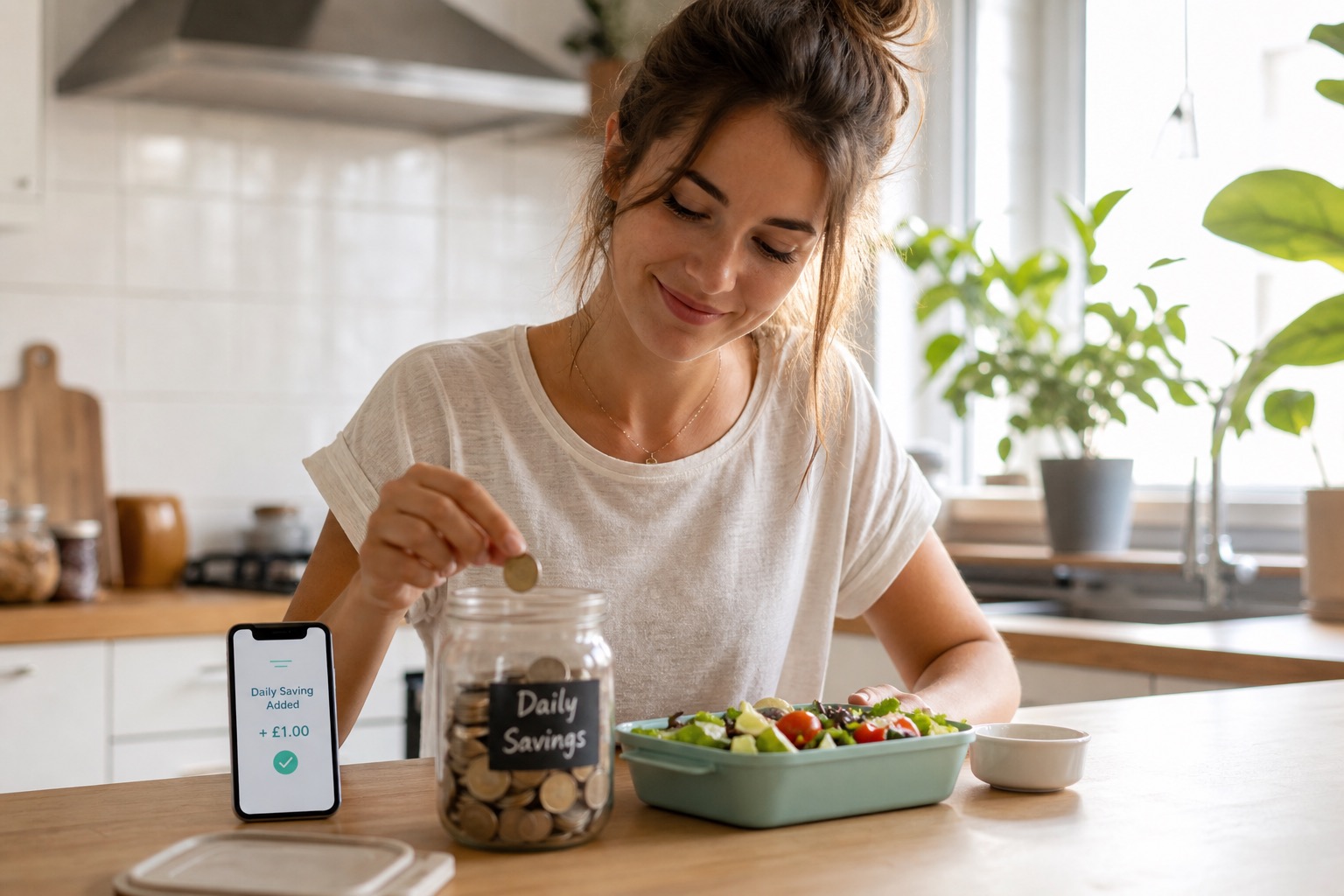
You can budget perfectly well without giving any app access to your bank account.

Payday-to-payday budgeting means treating each paycheque as its own mini-budget period.
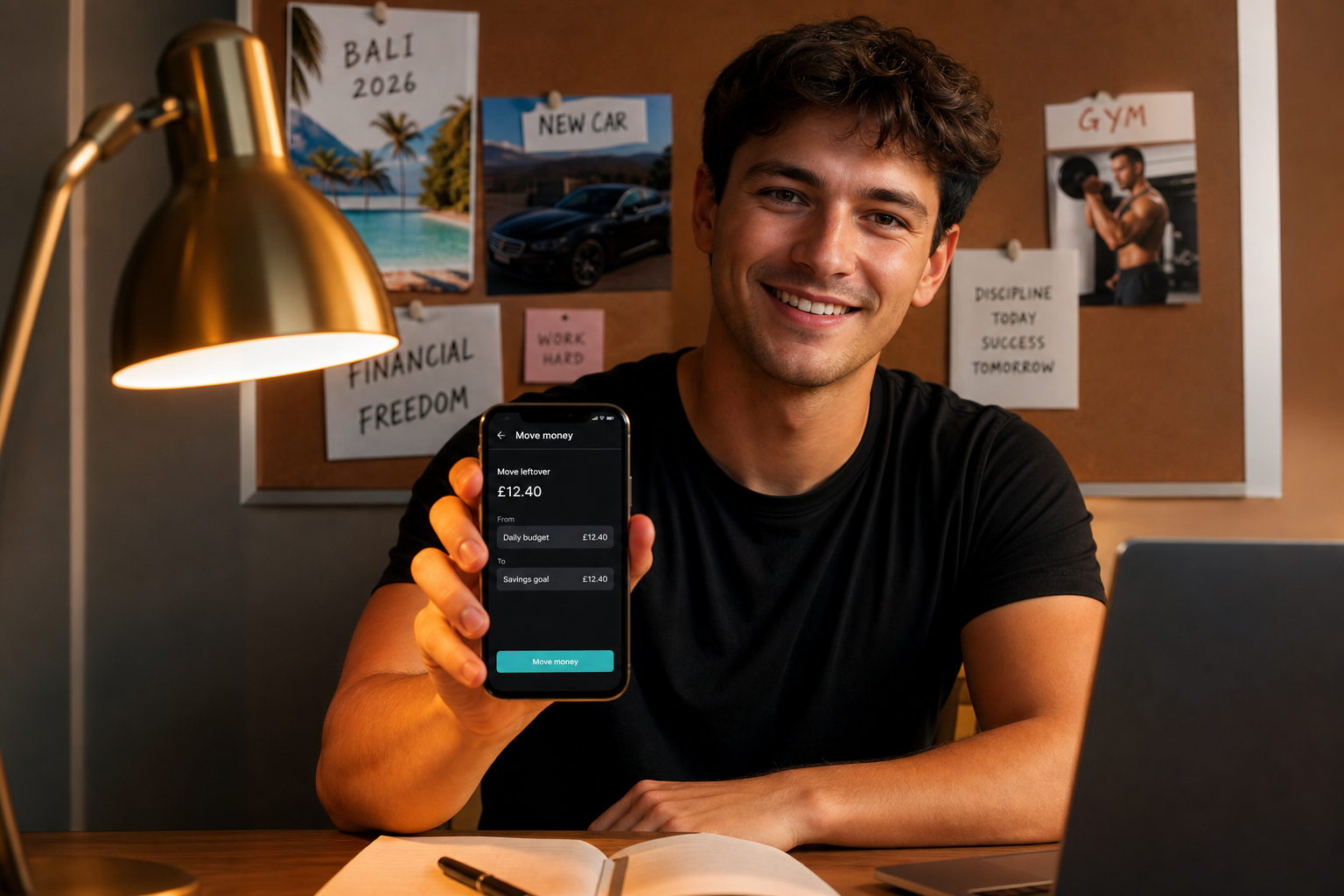
Couples don’t fight because they have a budget, they fight because they don’t have a clear, shared system for how money decisions are made.
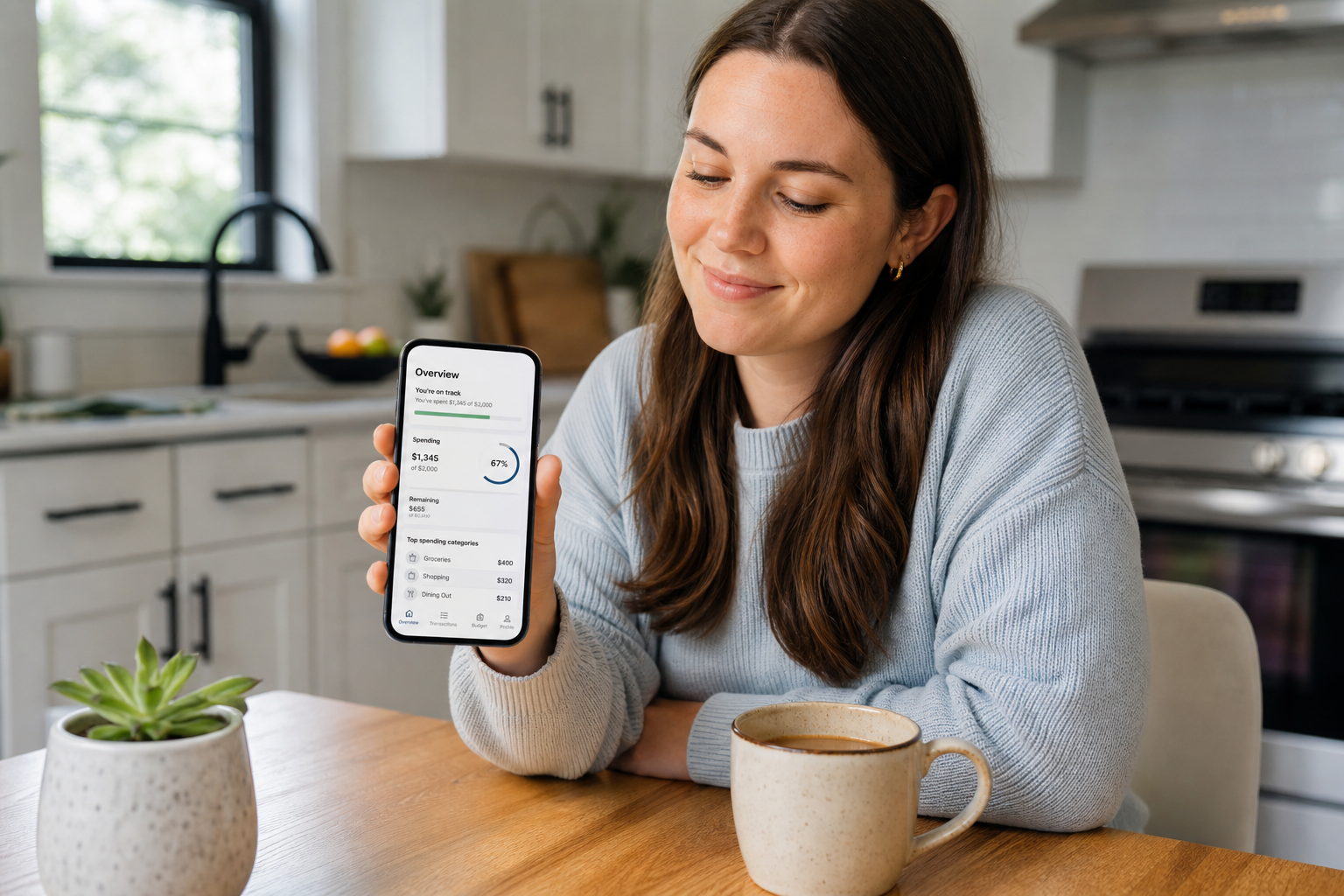
Cost-of-living pressures make monthly budgets feel pointless: bills keep rising, paycheques don’t.
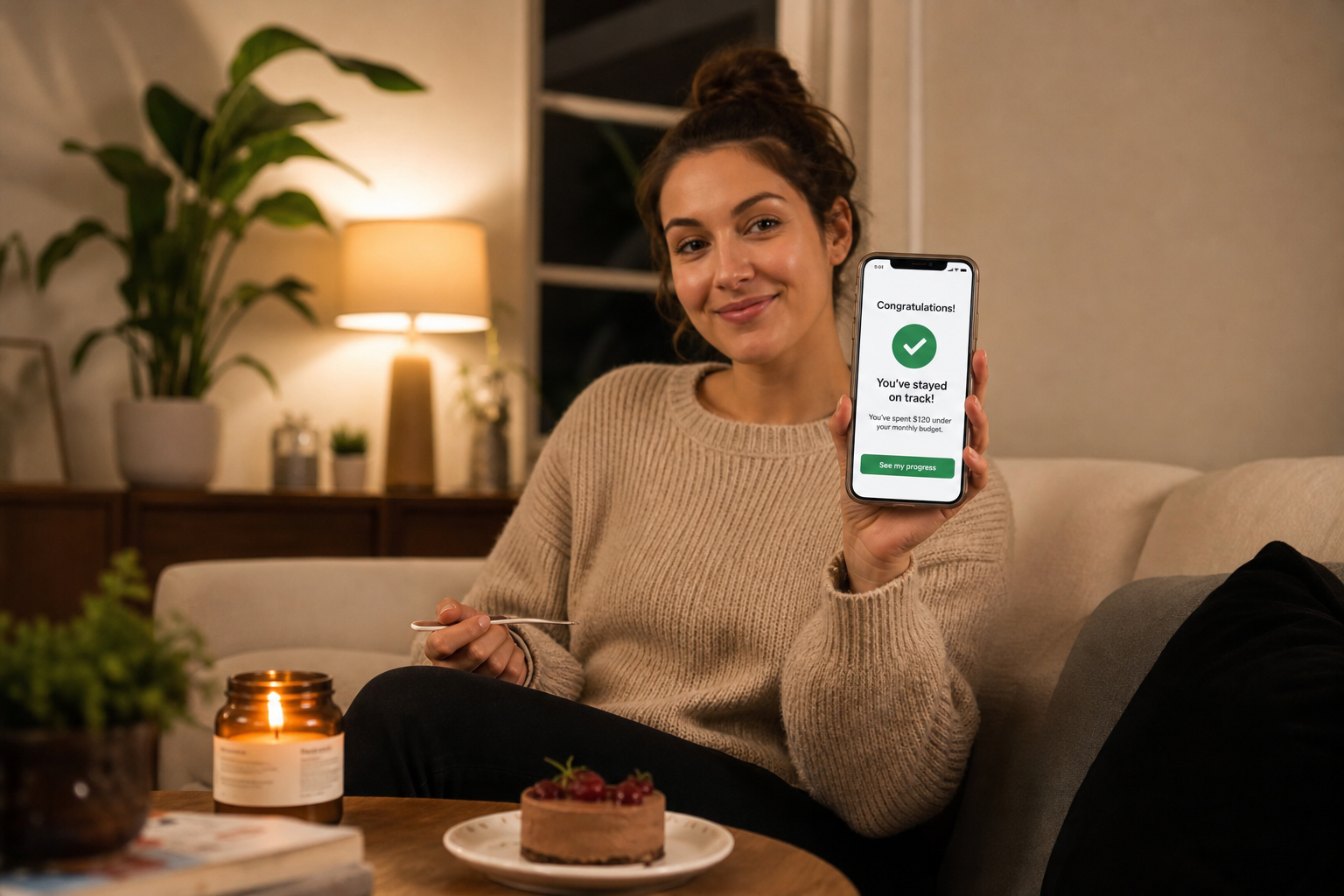
A spending streak is a run of consecutive days where you stick to a chosen money behaviour, for example, staying within your daily allowance, logging every purchase, or having no-spend days.
Positive reinforcement budgeting is a way of managing money that focuses on rewarding good financial behaviour instead of punishing mistakes.
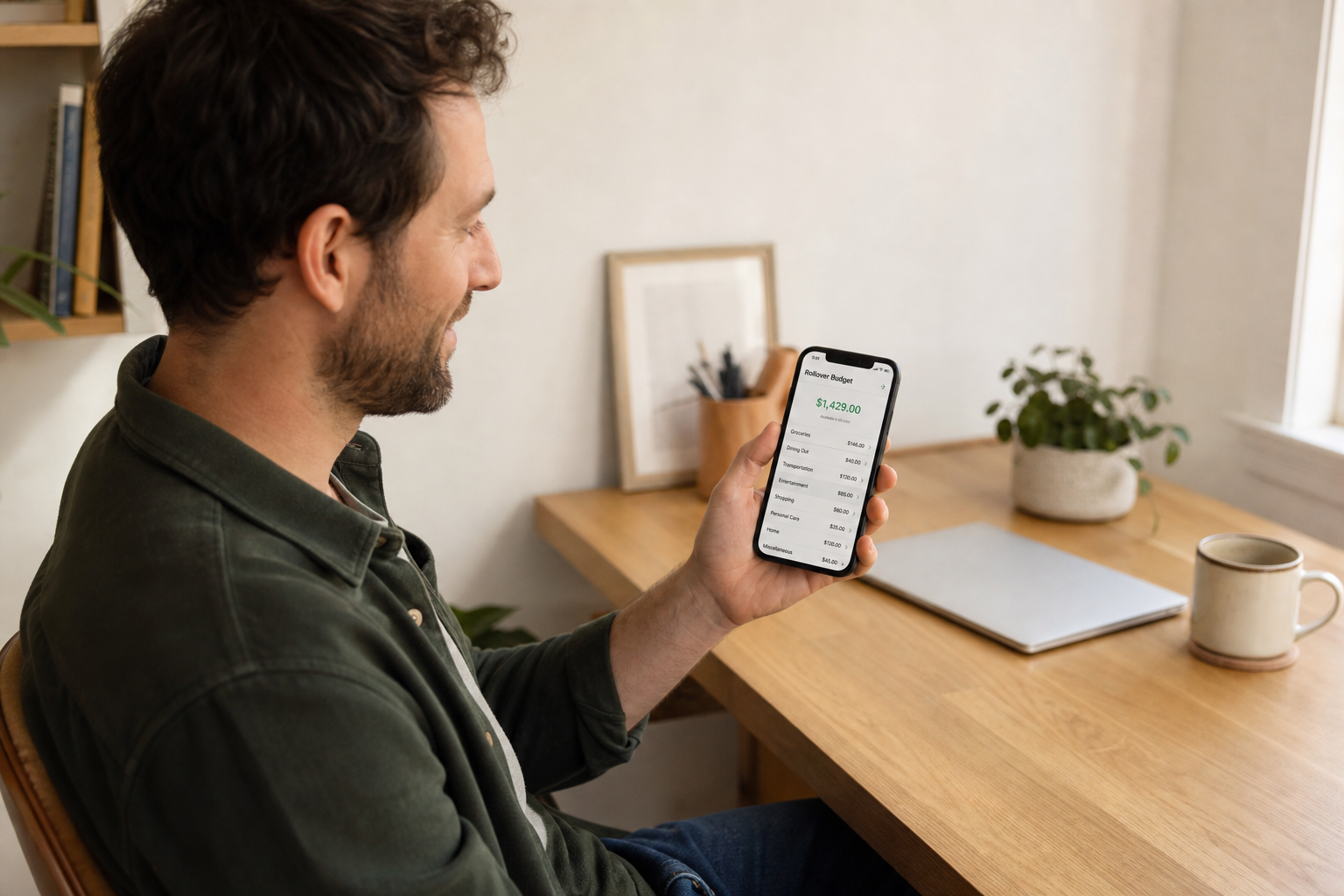
A rollover budget is a budgeting method where any money you don’t spend in a period automatically carries forward into the next period instead of disappearing or resetting to zero.
Daily budgeting apps and general budgeting apps answer fundamentally different questions.
The best budgeting app without bank linking in 2026 is Spendaily, free on iOS, built around a daily spending allowance with automatic rollover and named savings goals, requiring no bank connection of any kind.
A spending tracker is a tool for recording and categorising past expenditure, it answers "what did I spend?" and helps you identify patterns over weeks and months.
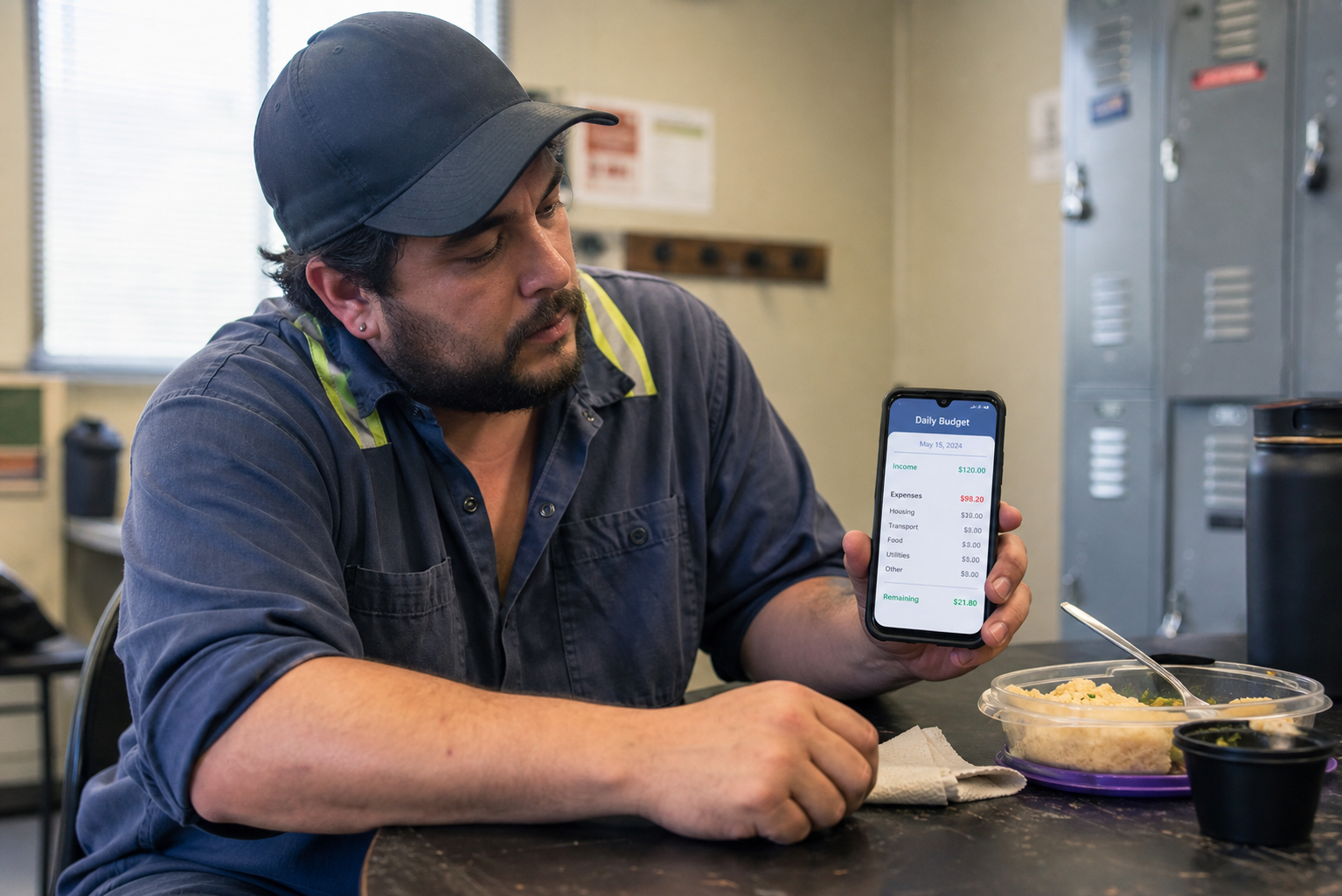
A daily expense tracker should tell you what you can still spend today, not just where money went. How the best daily trackers work in 2026.
Budgeting irregular income with monthly category totals fails because the foundation, a predictable monthly income, does not exist.
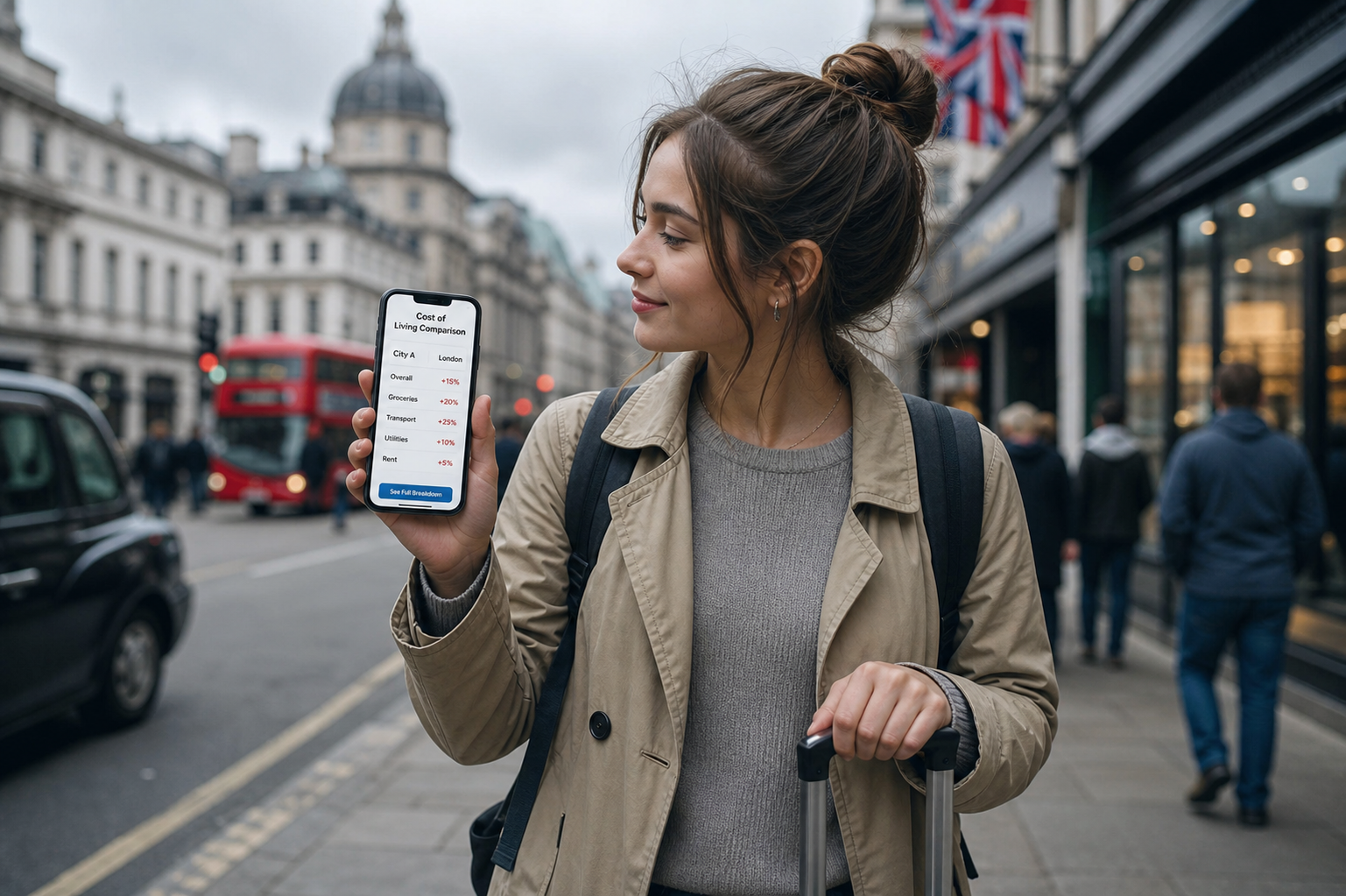
A realistic daily discretionary budget for UK students in 2026 ranges from £12-£14/day in lower-cost cities (Sheffield, Leeds) to £17-£22/day in London, after rent, bills, and fixed costs are deducted from the maintenance loan.
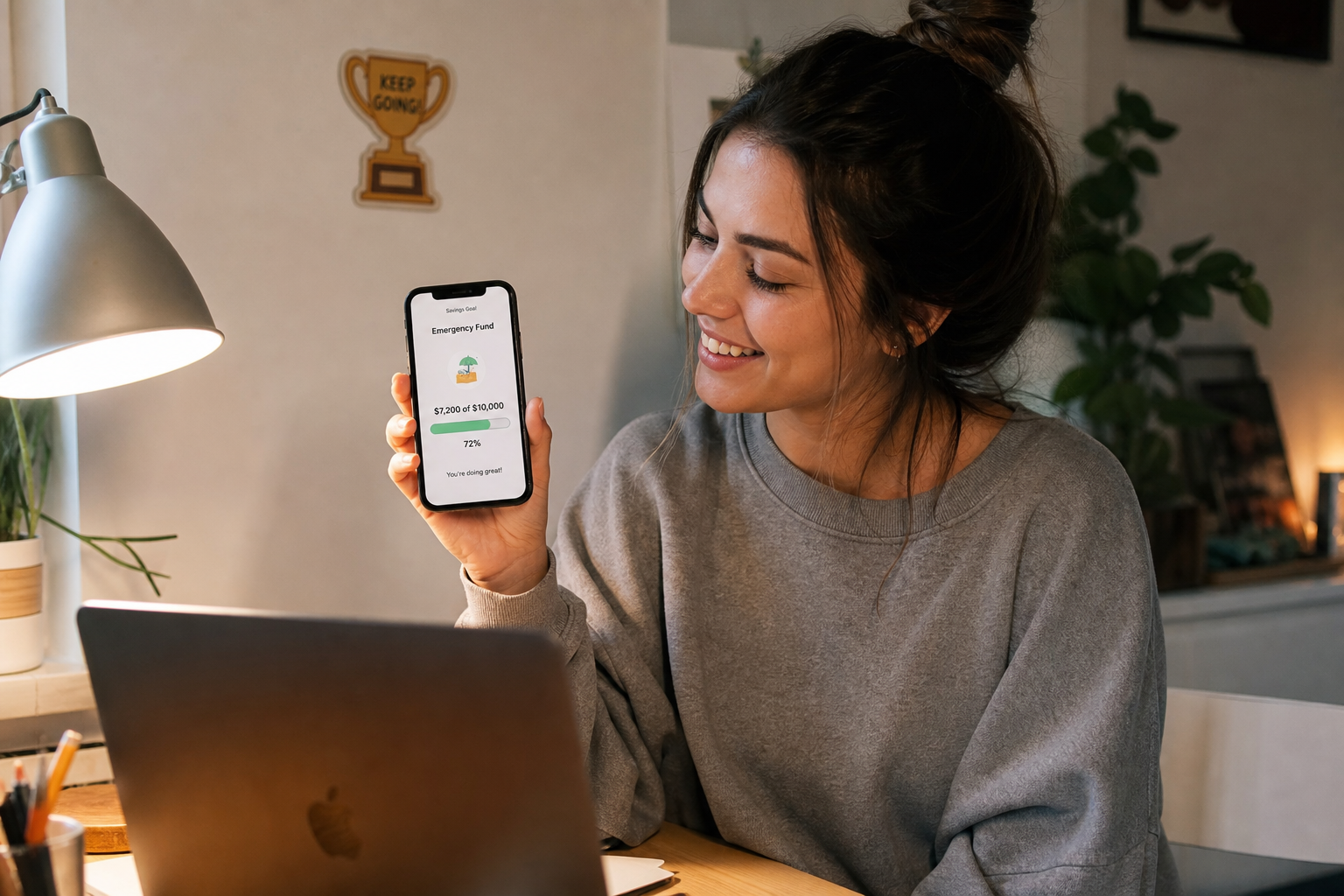
Daily leftover budget, the difference between your daily allowance and what you actually spent, is the most accessible source of savings most people have, but it only works if it is directed somewhere specific.
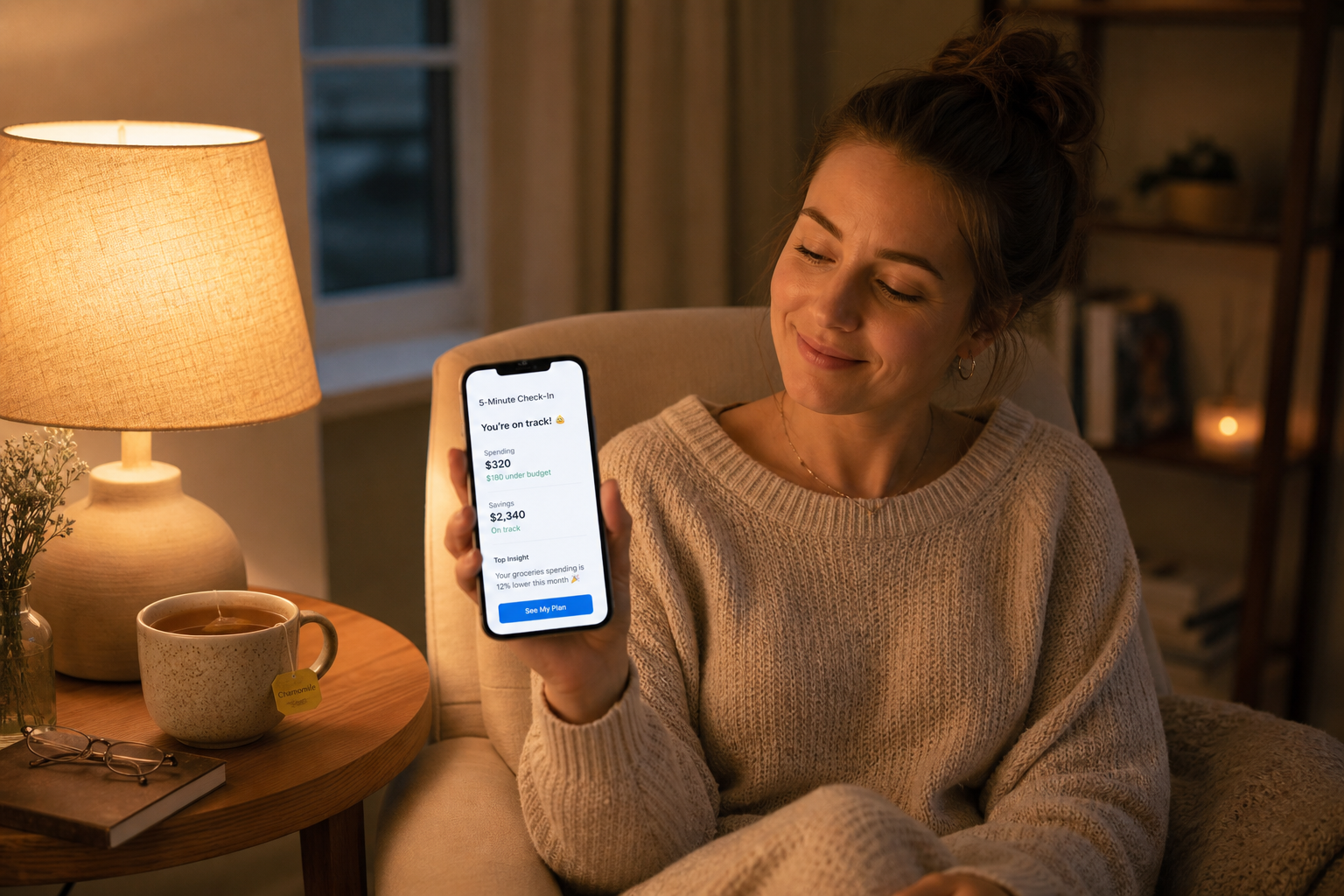
The best micro-savings ideas are not about saving large amounts occasionally, they are about generating small daily surpluses consistently.
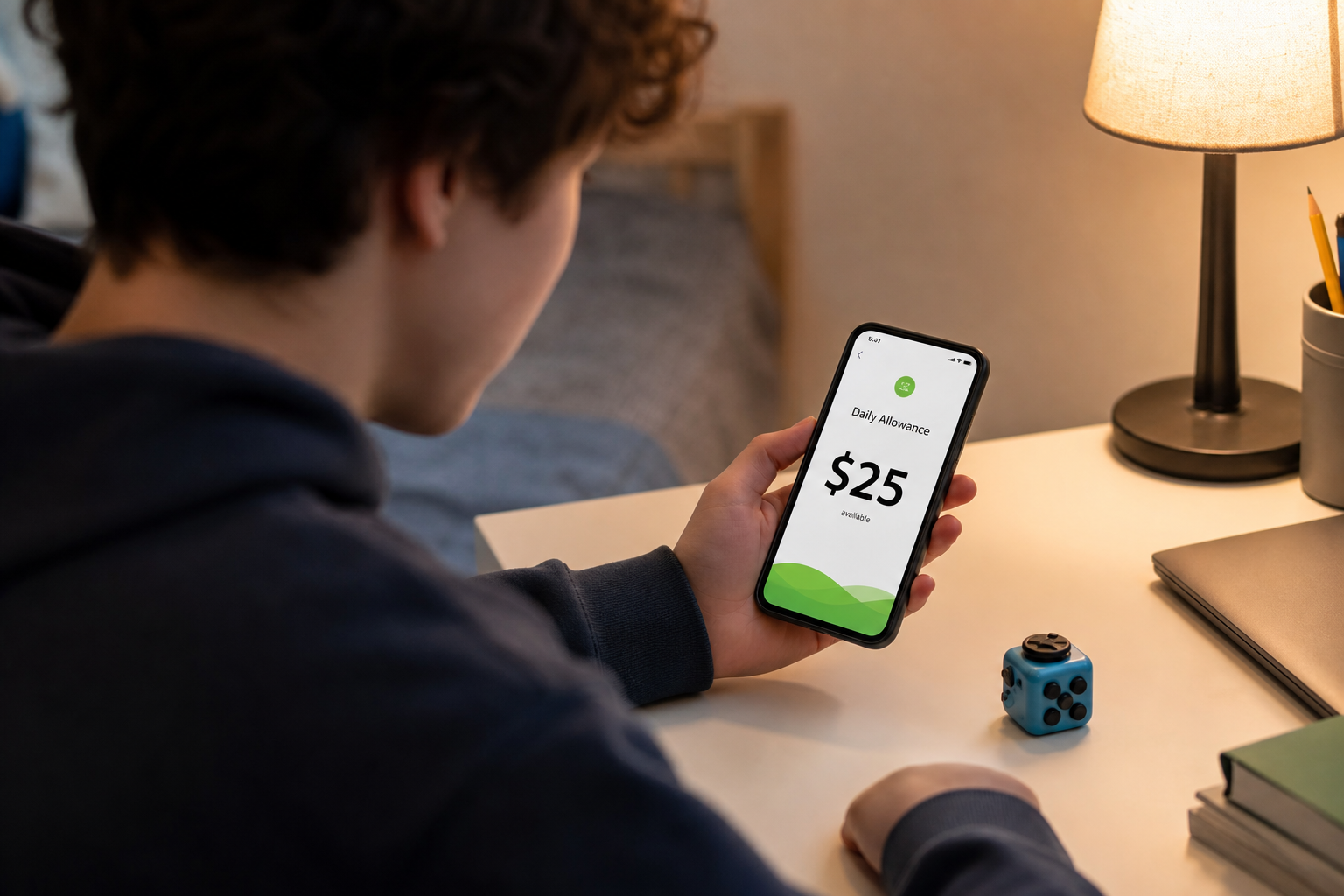
A no-spend day is a day when you make zero discretionary purchases, no coffee shop, no delivery, no snacks, no online orders.
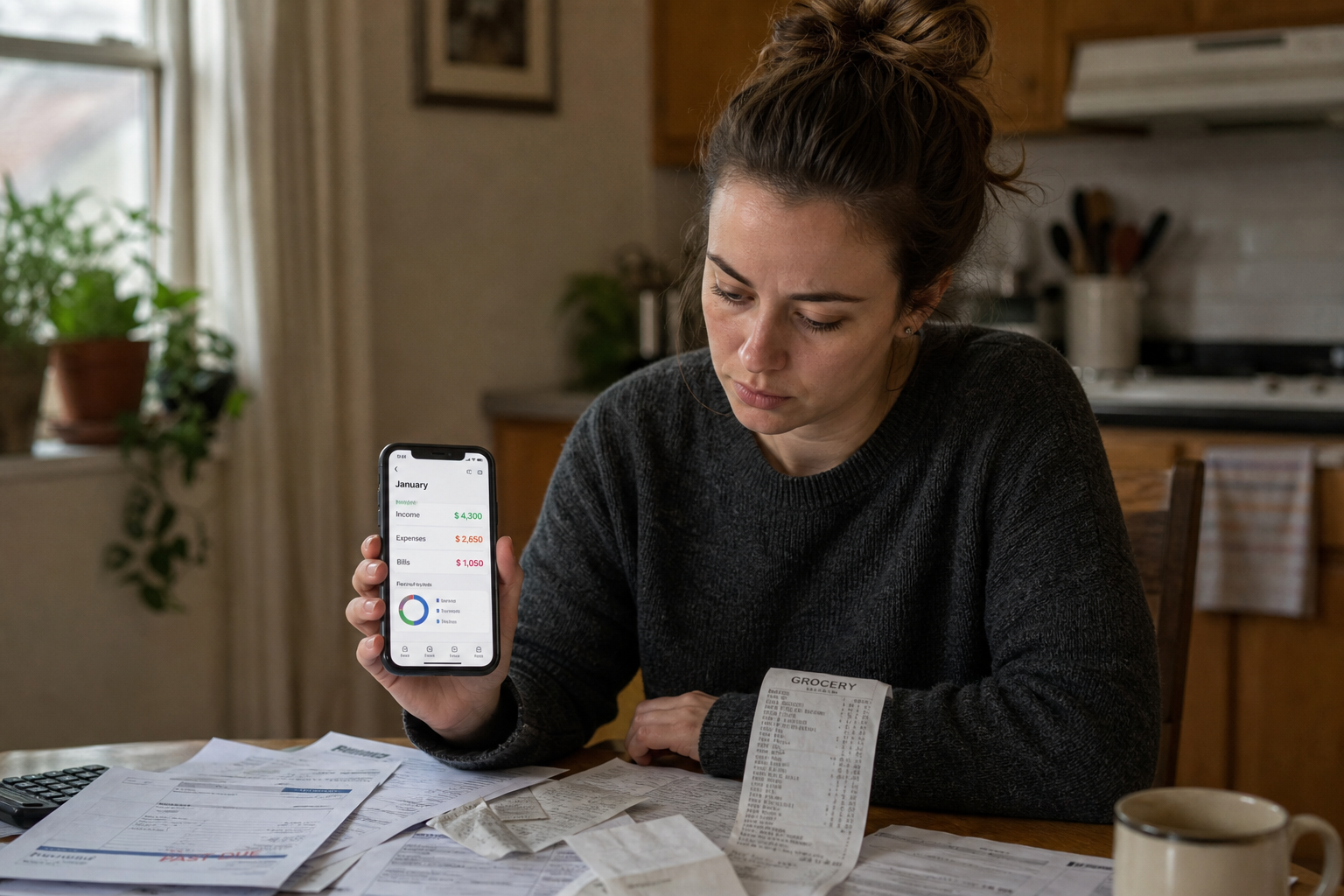
A daily money check-in is a short, consistent routine, typically 2-5 minutes, that keeps your budget accurate and your spending intentional without requiring a full financial review.
Controlling your daily spending is not about restriction, it is about reducing the number of real-time decisions you have to make.
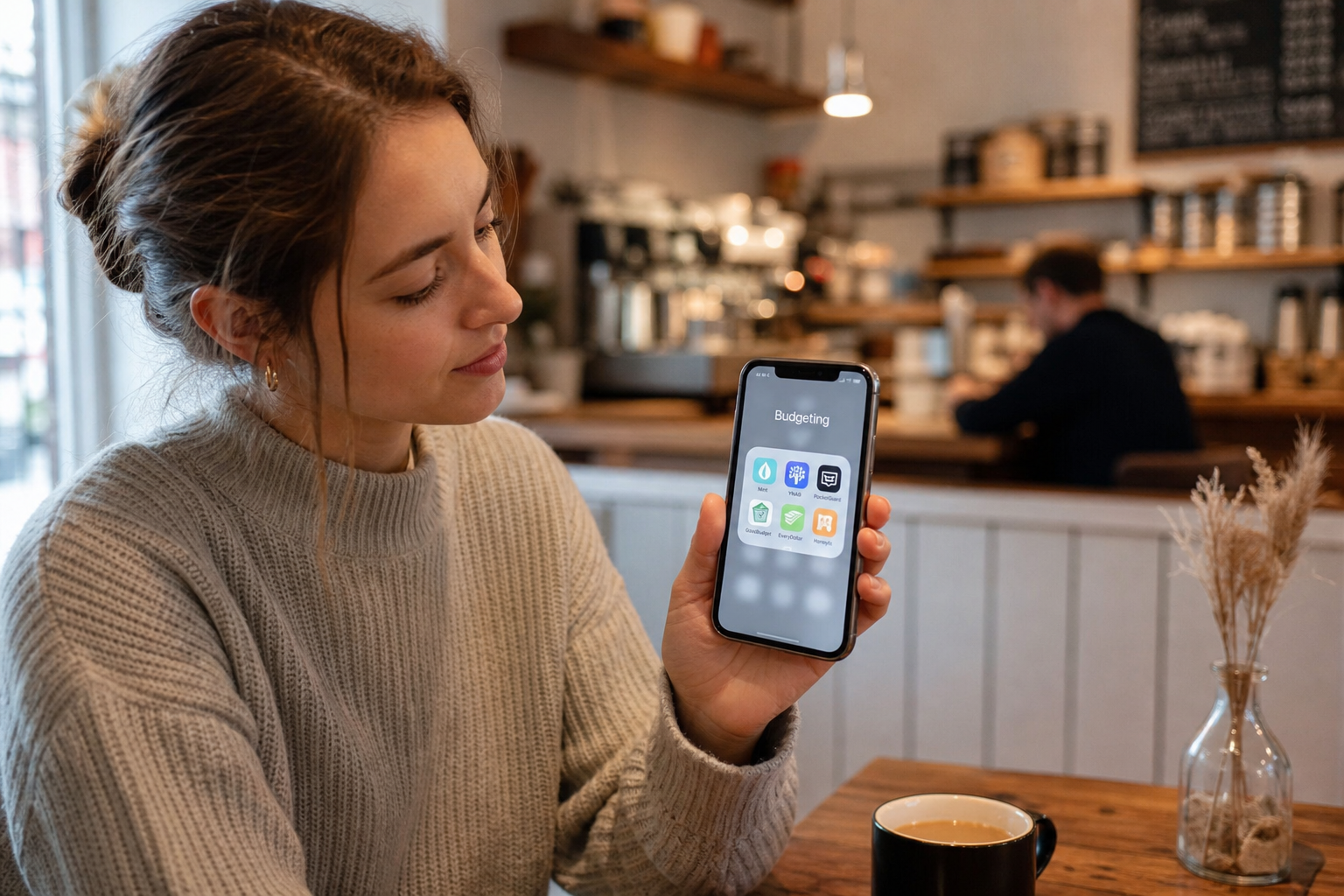
A daily budget app is not just any budgeting app, it is one specifically built around a single daily spending allowance rather than monthly totals or category breakdowns.
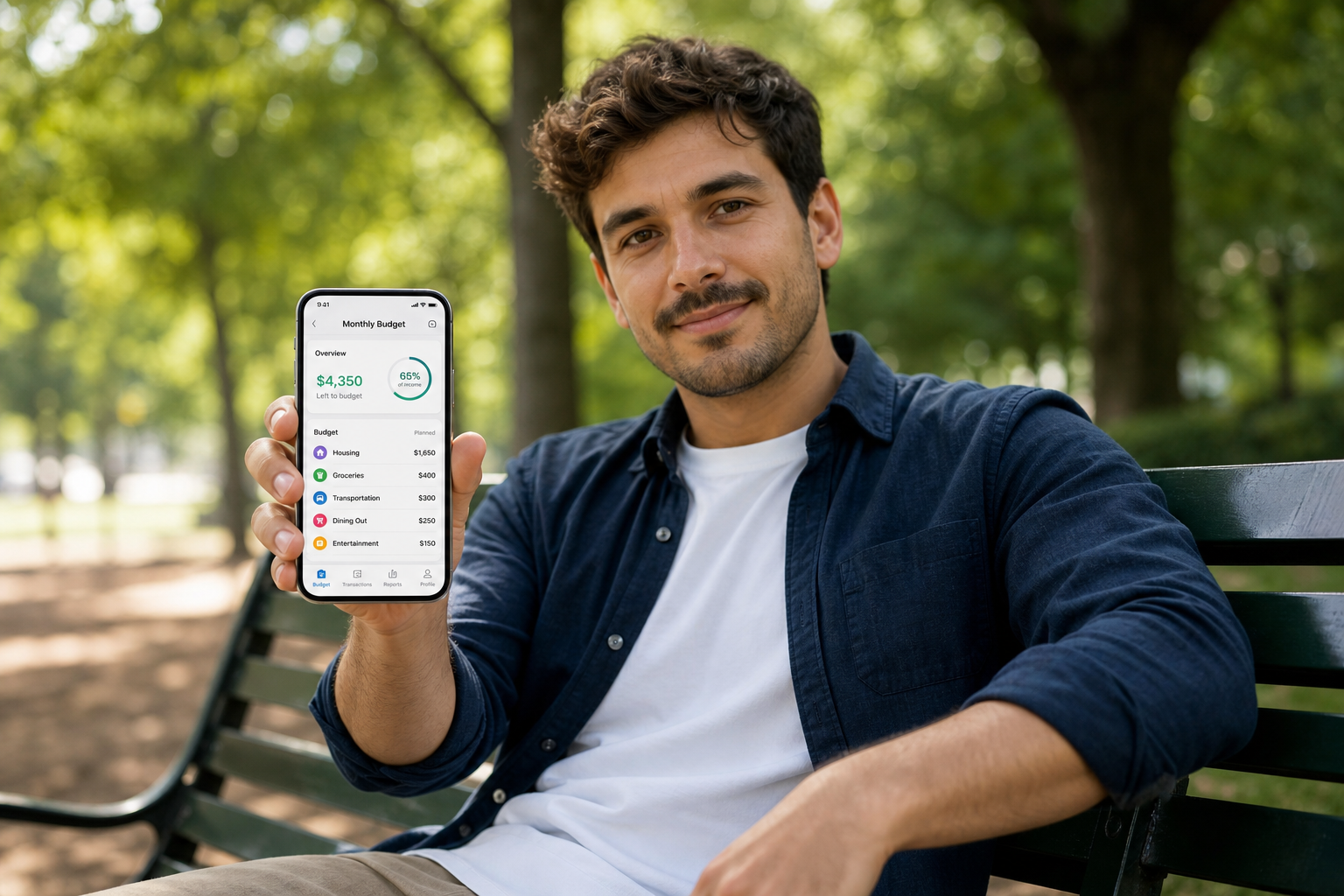
The best budgeting app for students without a bank account, or without wanting to link one, is Spendaily.
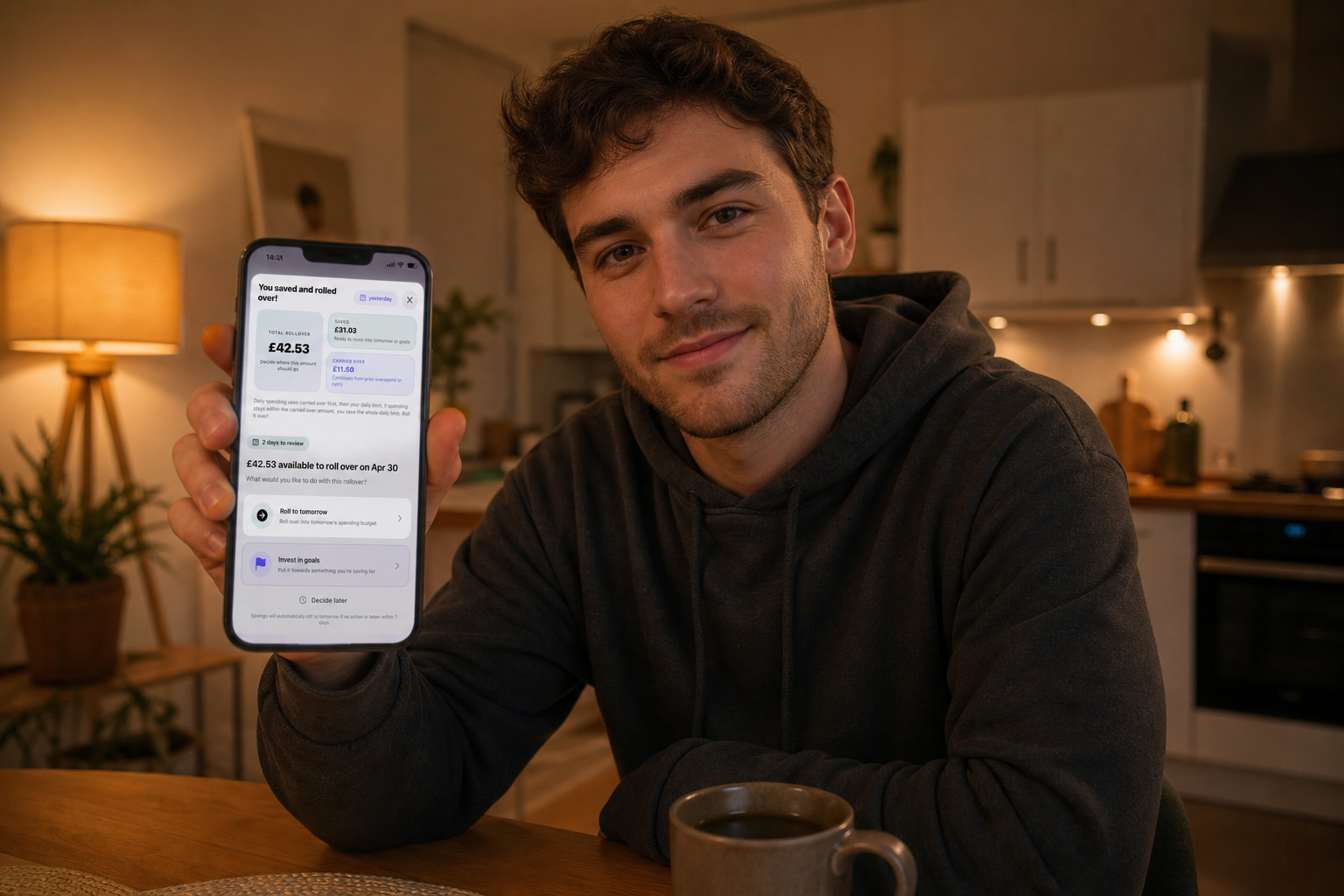
To track your expenses daily without burning out, treat it as a 10-second habit, not a financial review.
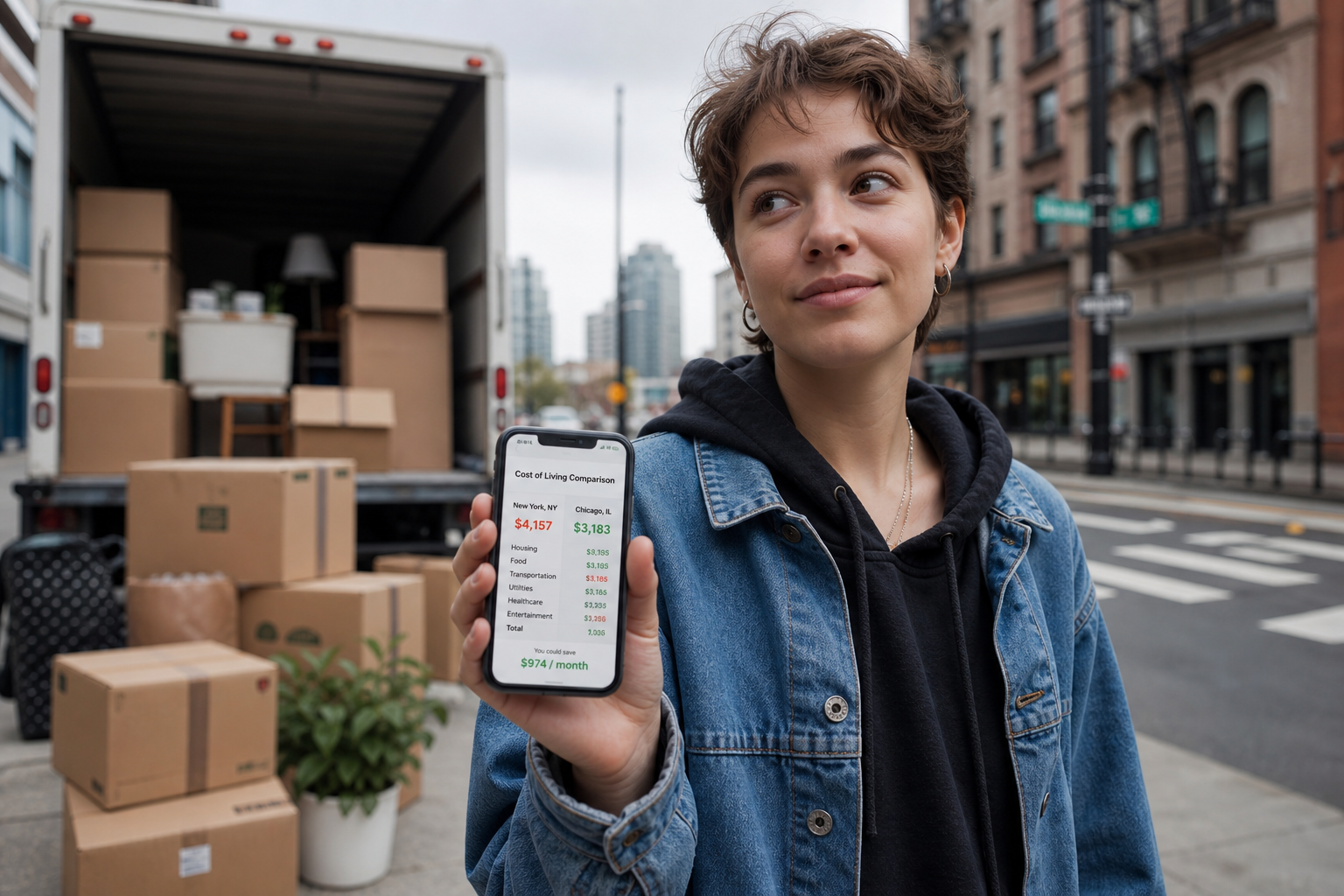
Daily spending habits are the small, repeated choices that determine whether your money lasts the month.

The best daily budget app for most people in 2026 is Spendaily, it is the only app built specifically around the daily budgeting method, giving you one daily spending allowance with automatic rollover, no bank connection required, and zero setup friction.
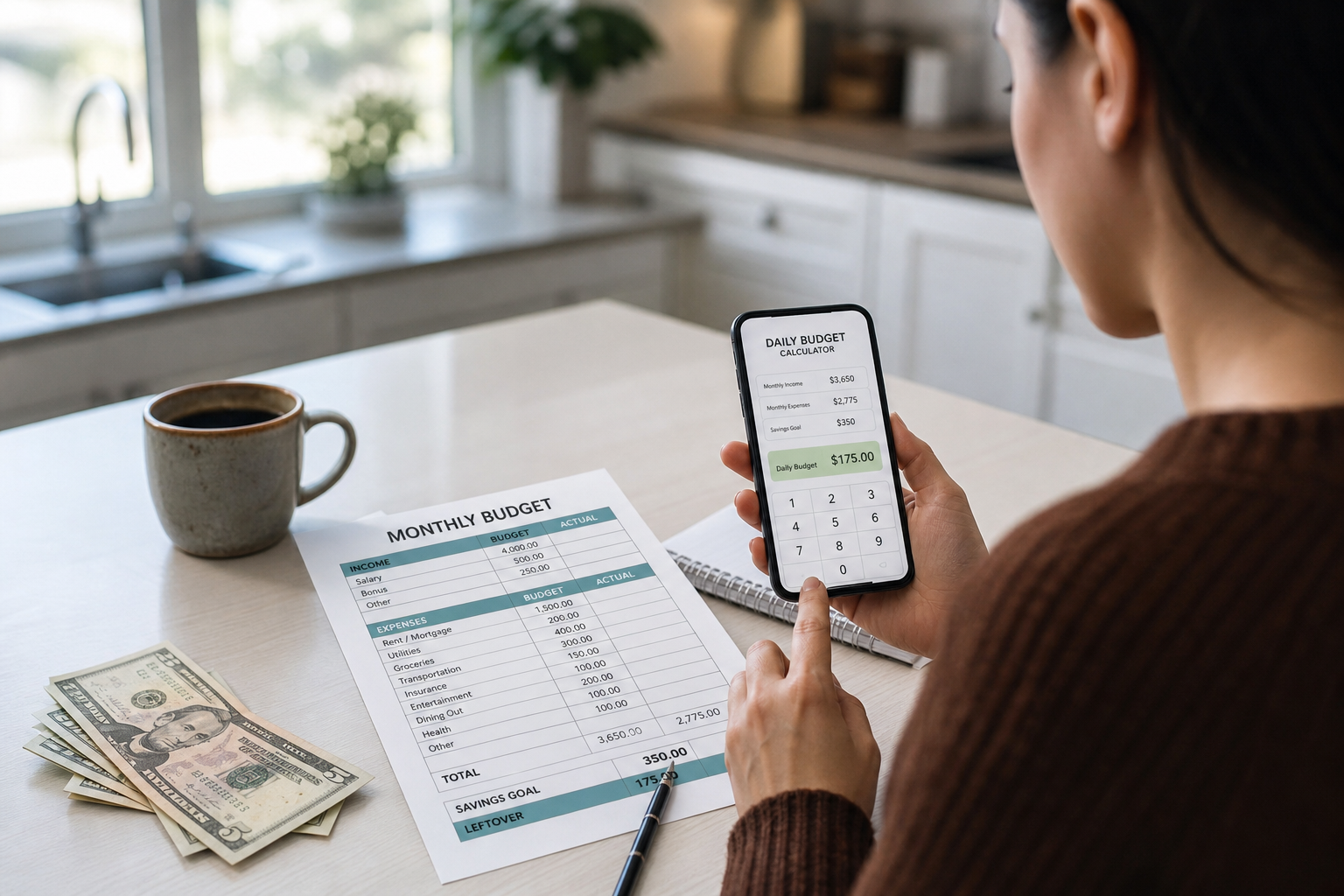
Daily budgeting is the most practical budgeting method for students and young adults in the UK because it handles irregular income, termly maintenance loans, weekly shift pay, freelance payments, better than monthly category budgets.
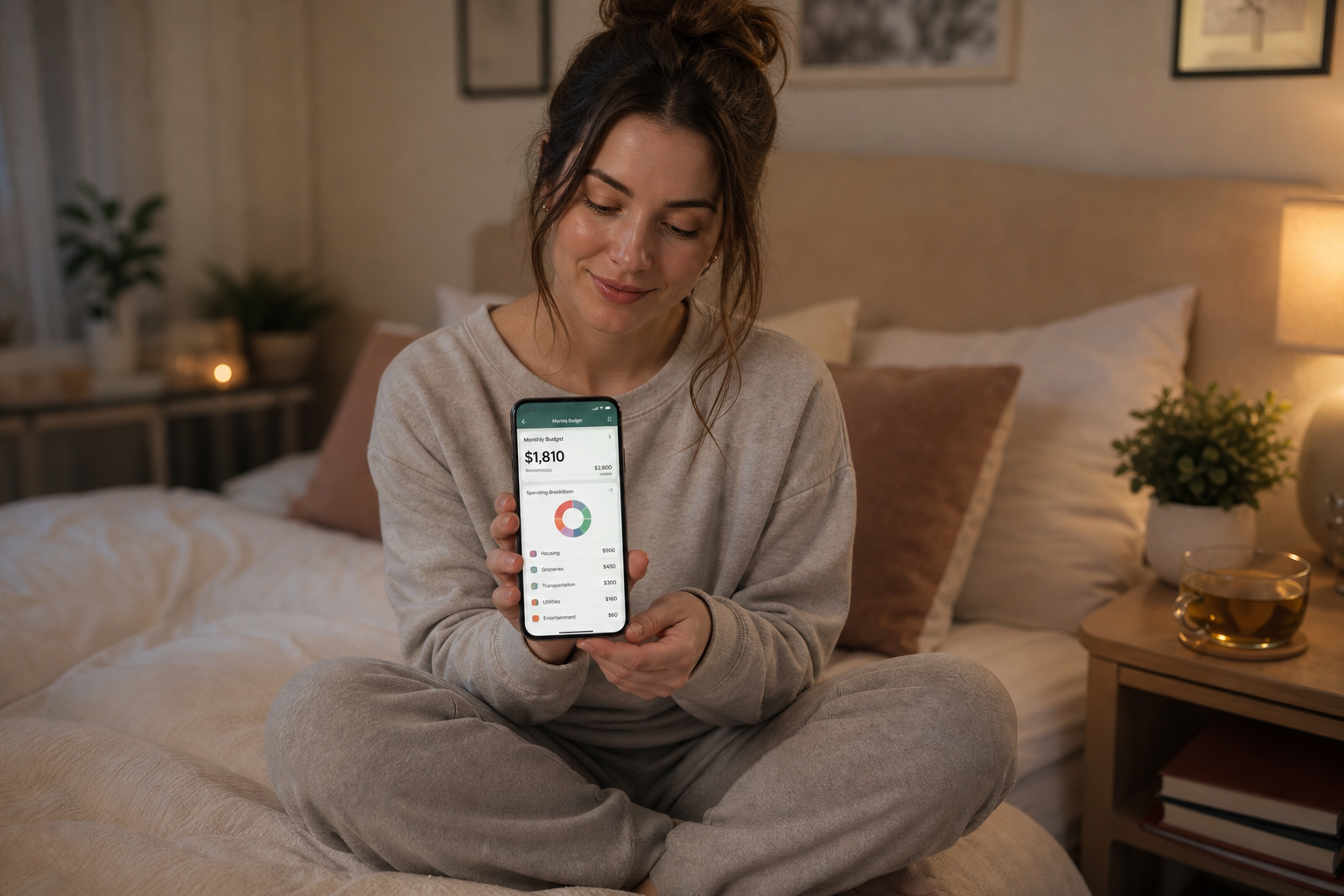
Switching from a bank-synced budgeting app to manual daily tracking takes less than 10 minutes.
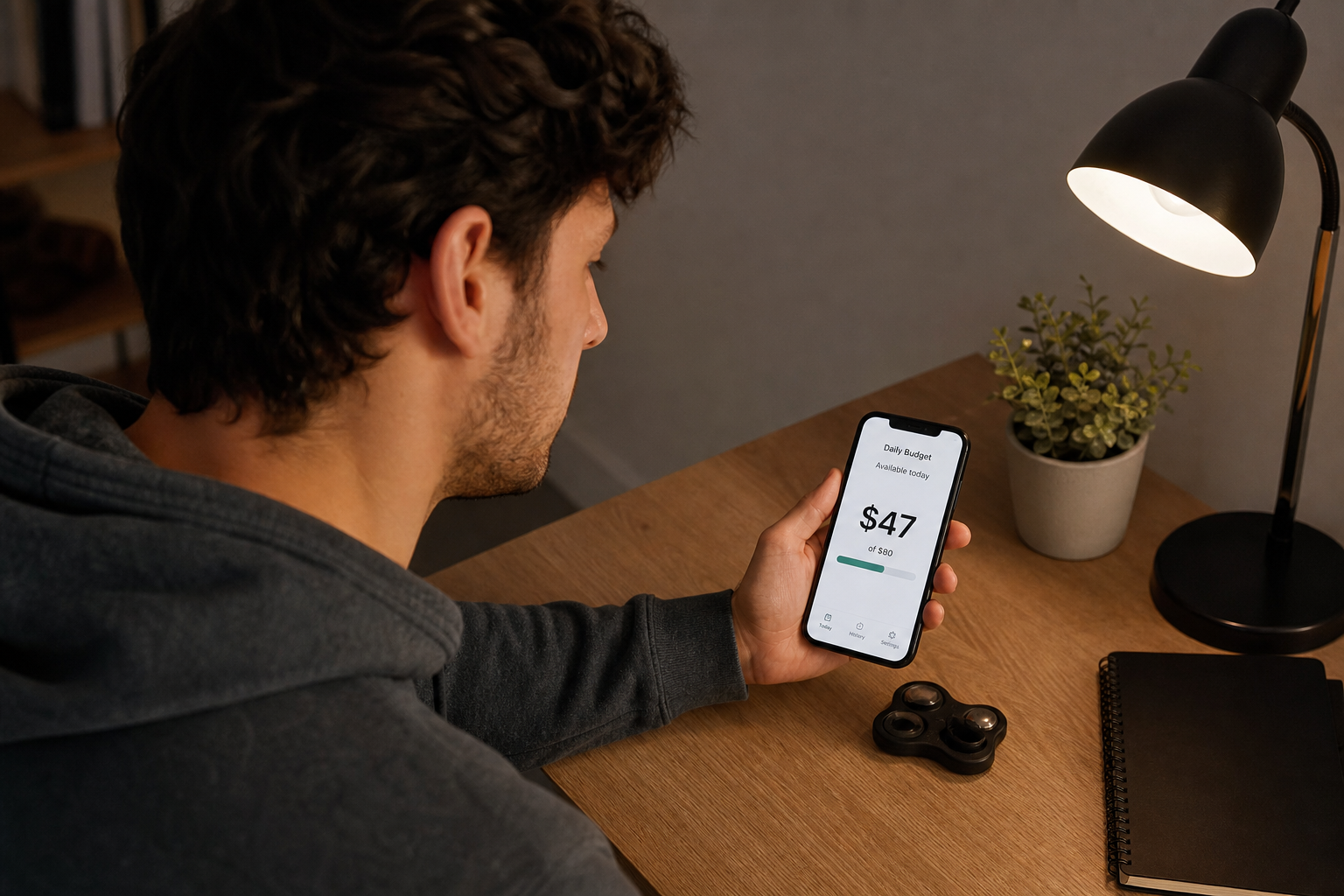
Micro-savings goals let you fund specific short-term purchases, a weekend away, new headphones, a course, by setting aside small amounts from your daily budget surplus.
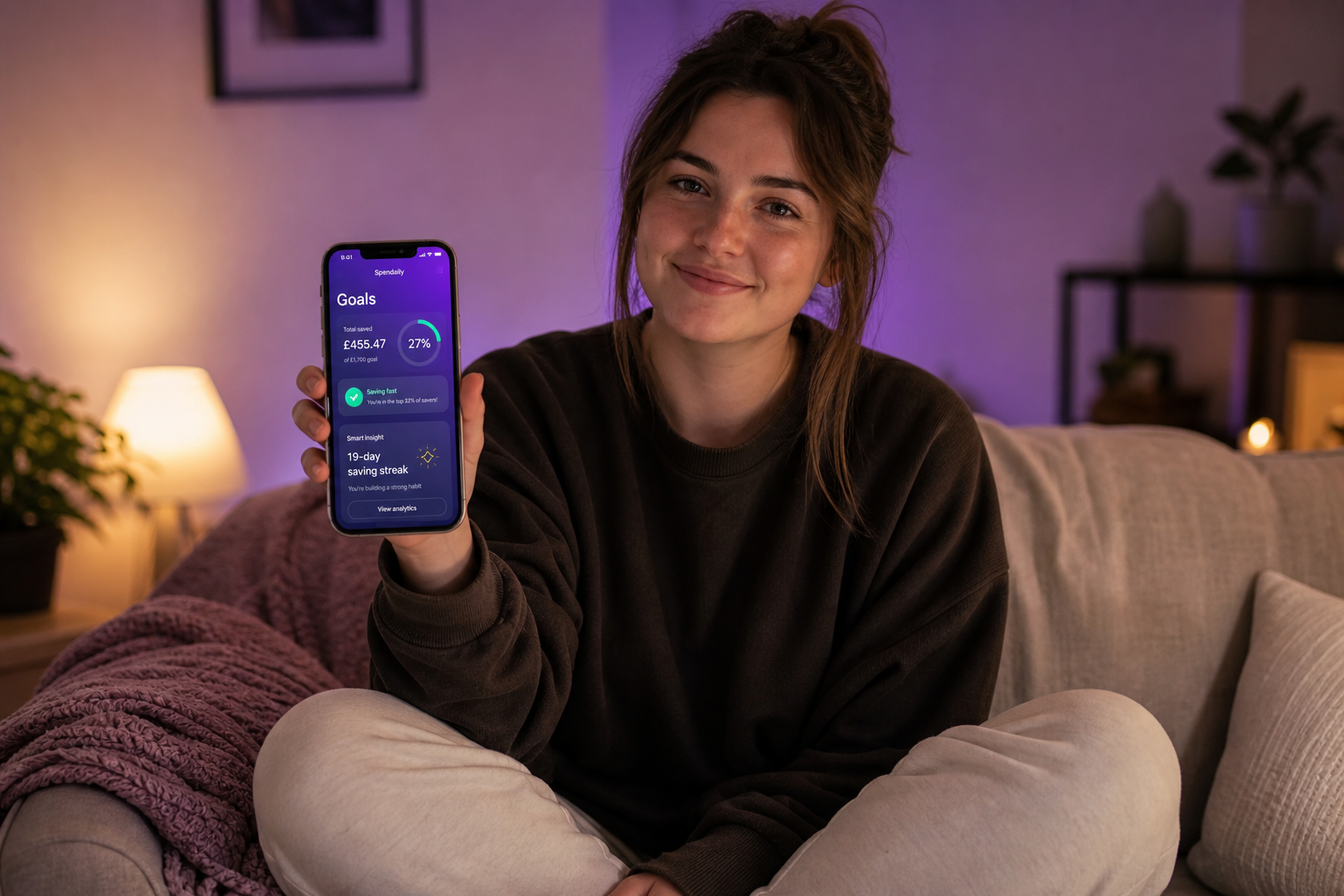
A budgeting app without bank linking can be better for your money because it gives you more privacy, faster setup, and stronger spending awareness.
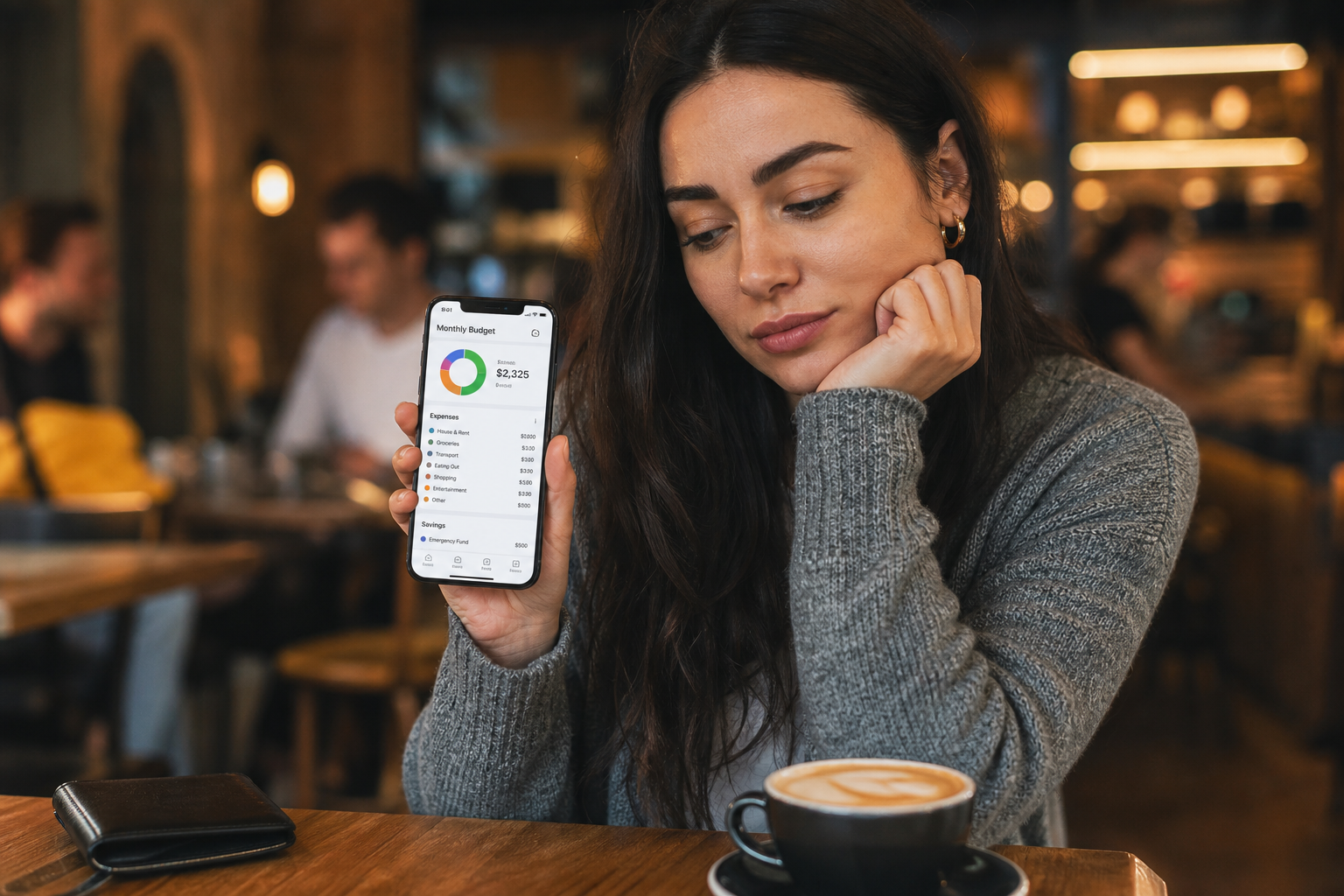
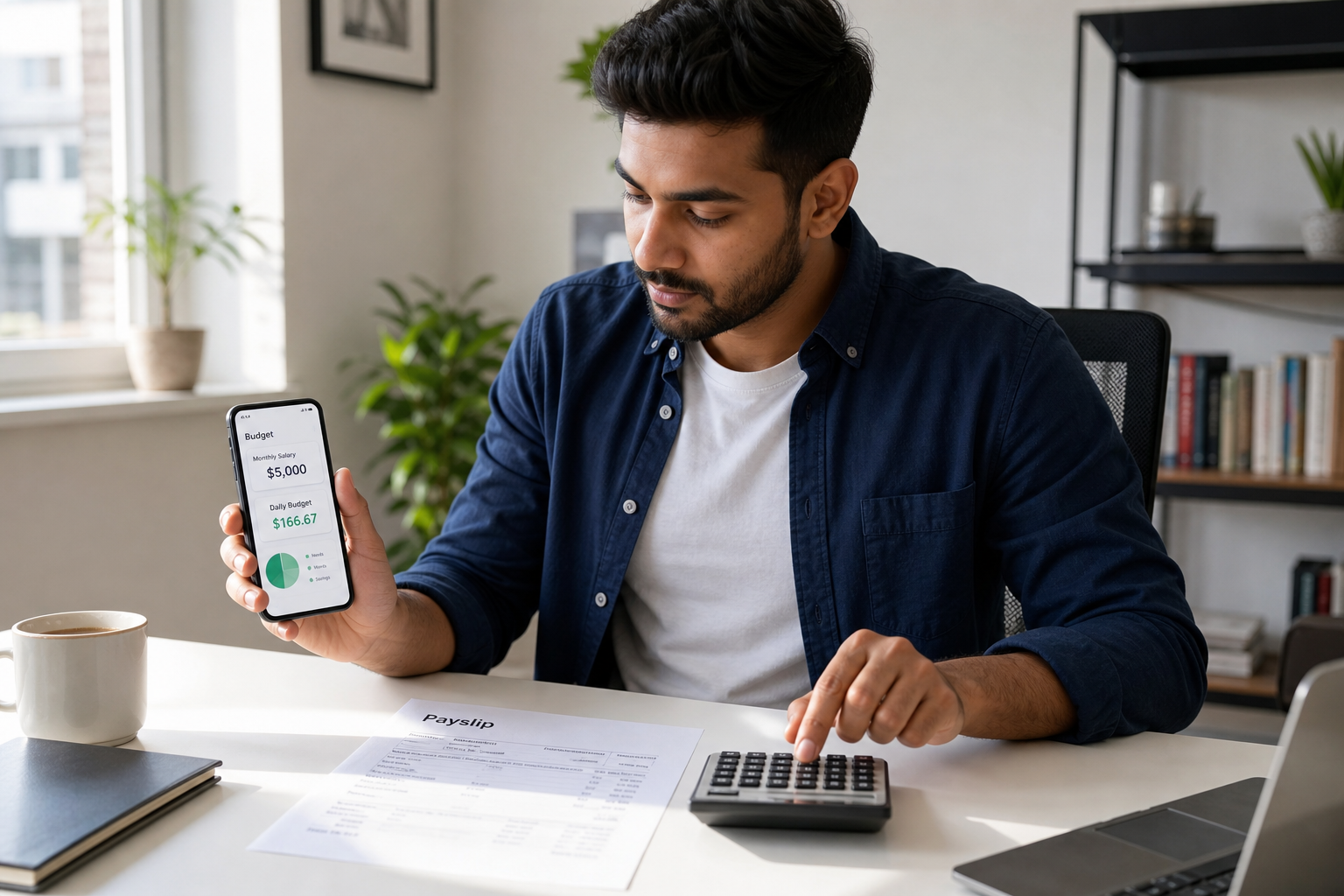
To budget daily, subtract your fixed monthly costs from your take-home pay, divide what remains by the number of days in your pay cycle, and use that number as your daily spending limit.
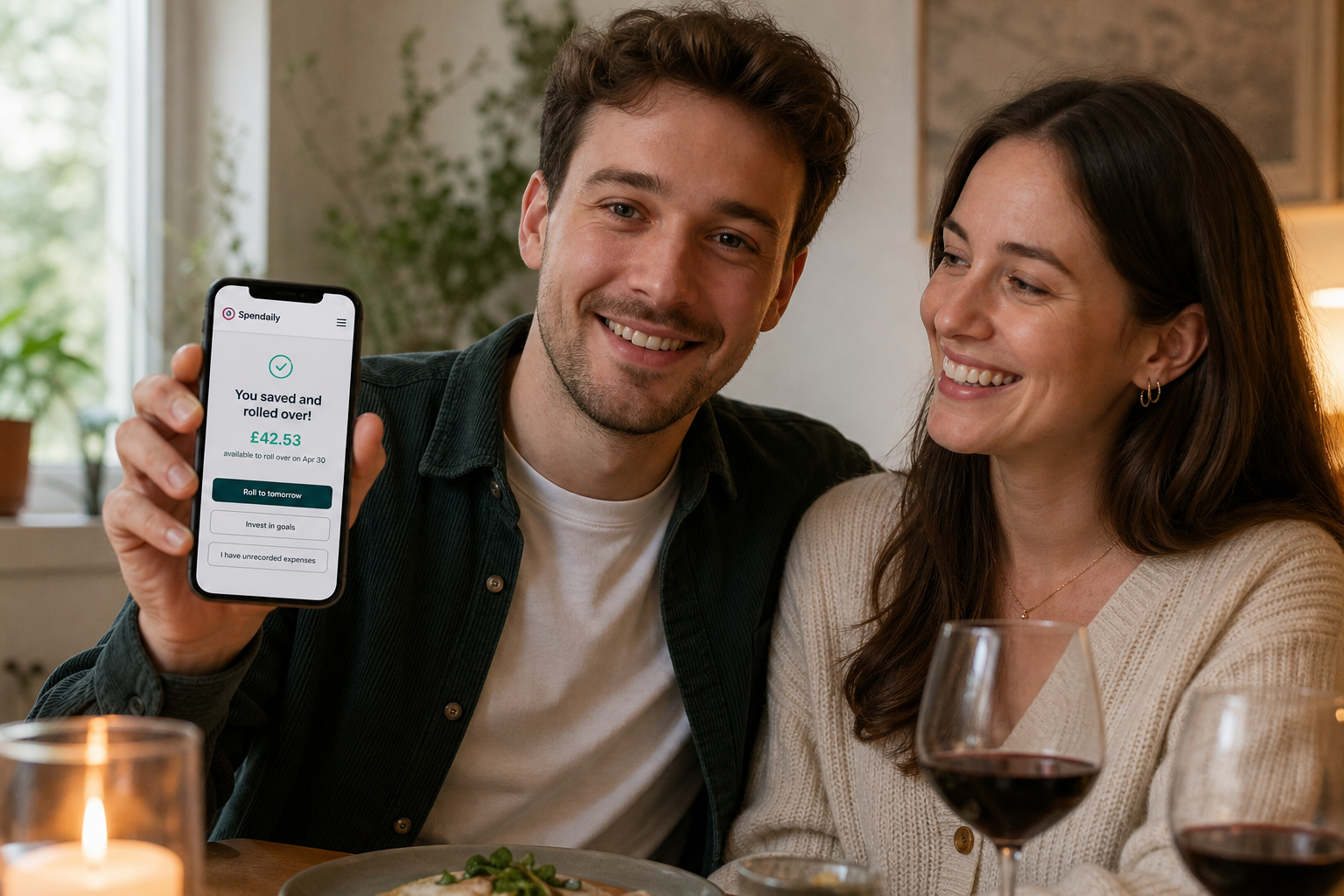
"What can I spend today?" is the most useful money question you can ask, and most people cannot answer it accurately.
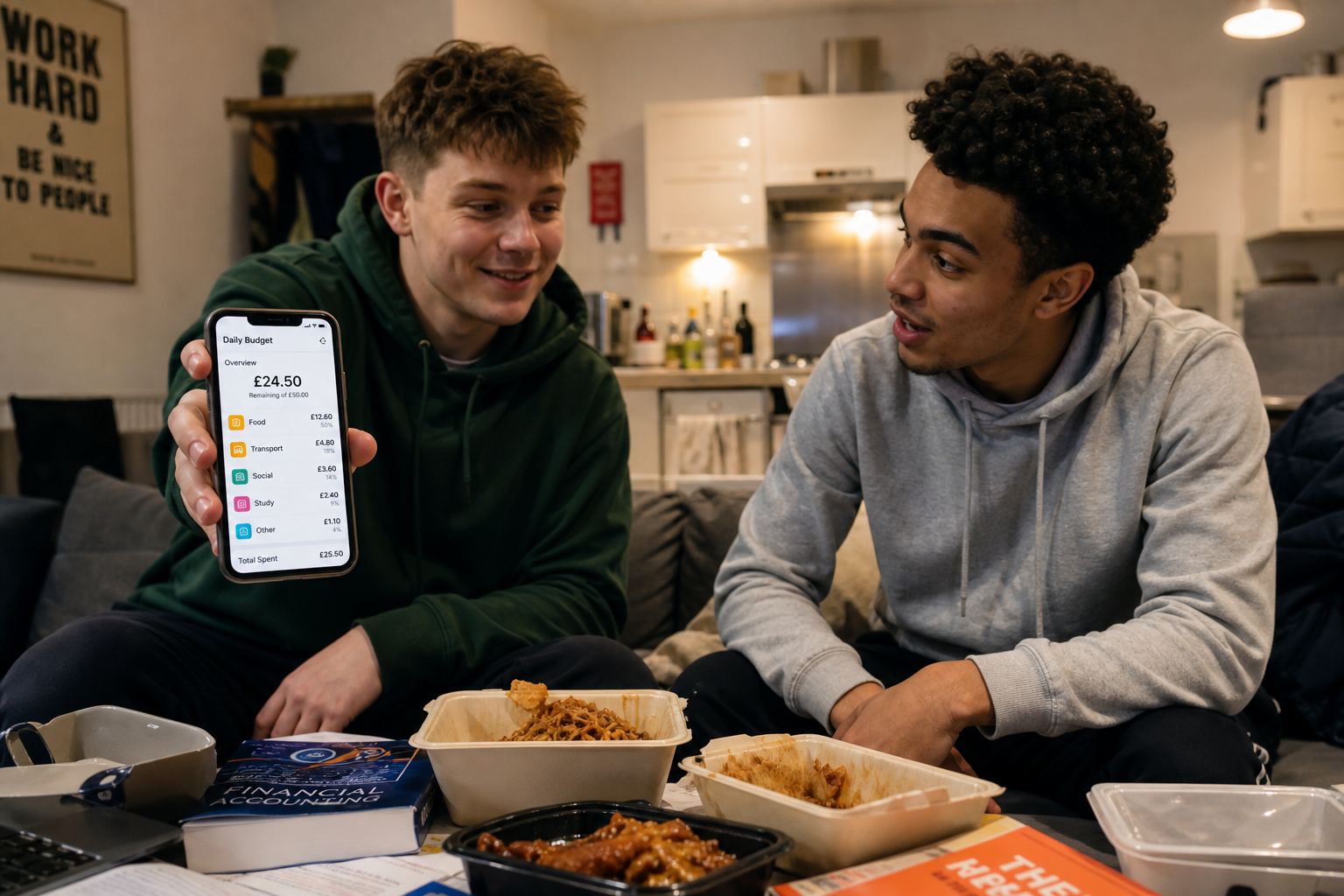
A daily budget calculator turns your monthly income into a daily spending limit by subtracting fixed costs and dividing the remainder by the days in your pay cycle.
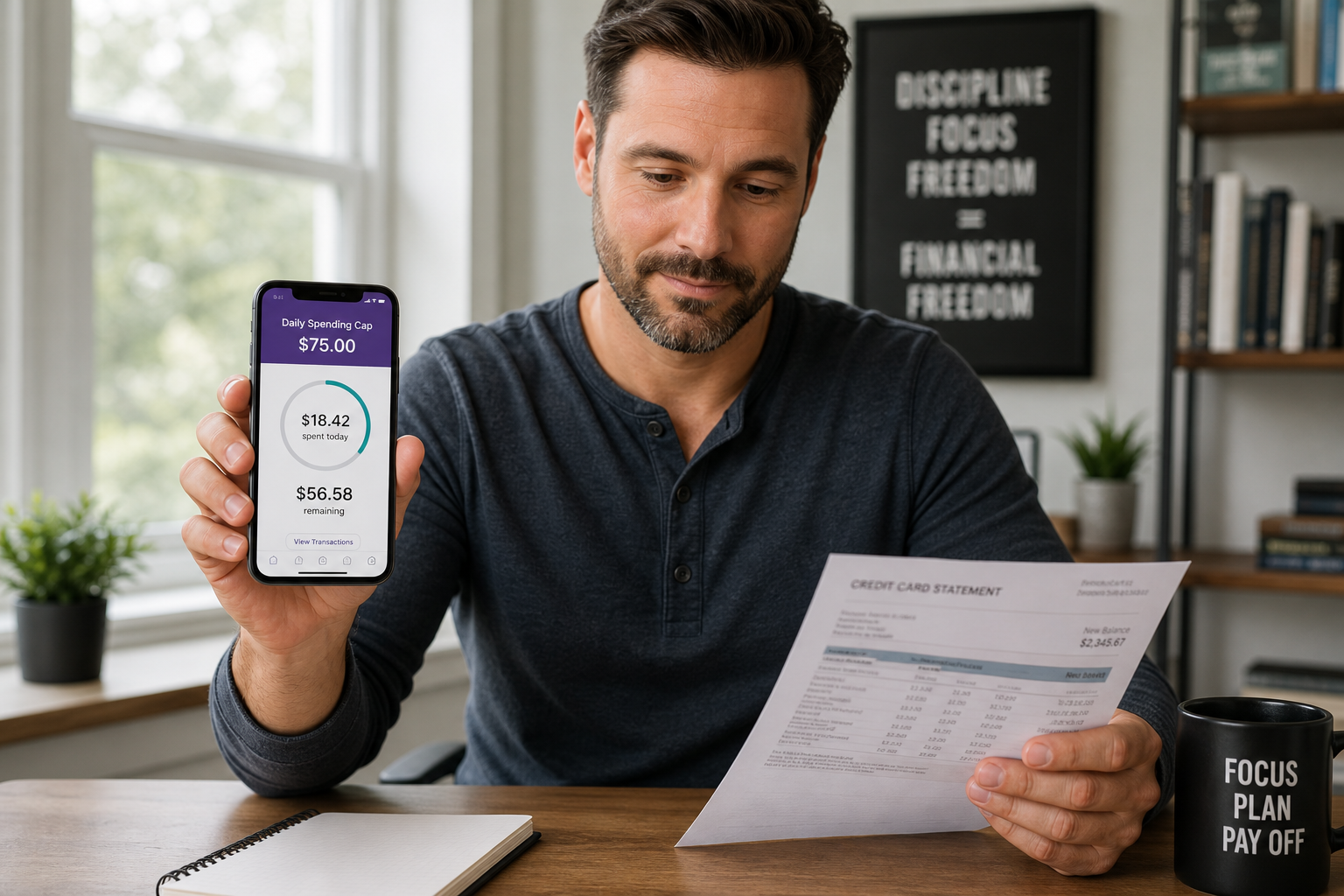
To work out how much you can spend per day, subtract your fixed monthly costs from your take-home pay, then divide what is left by the number of days in your pay cycle.
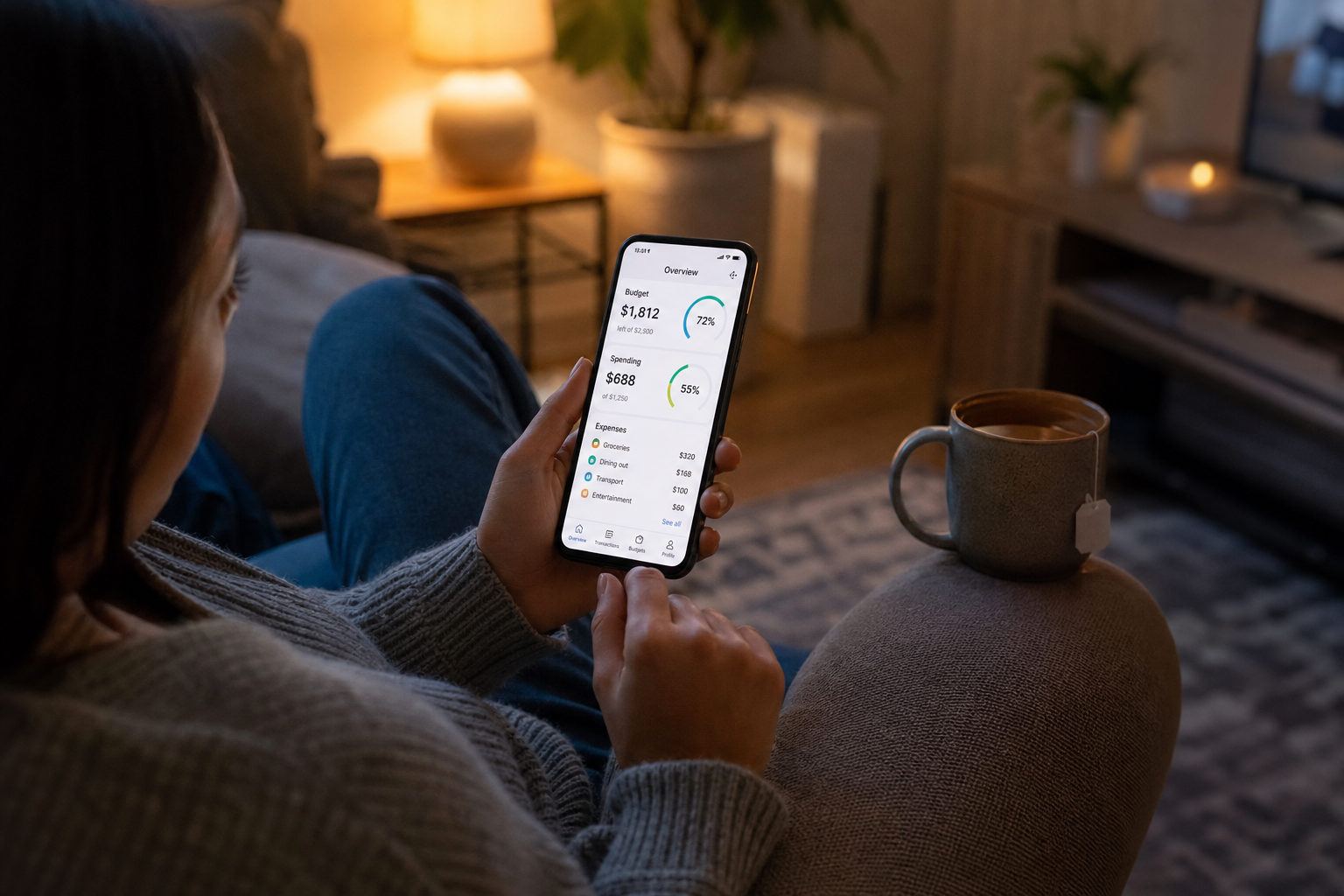
Budget apps without bank sync keep your credentials private and your habits sharp. How manual budgeting apps work and who they suit best in 2026.
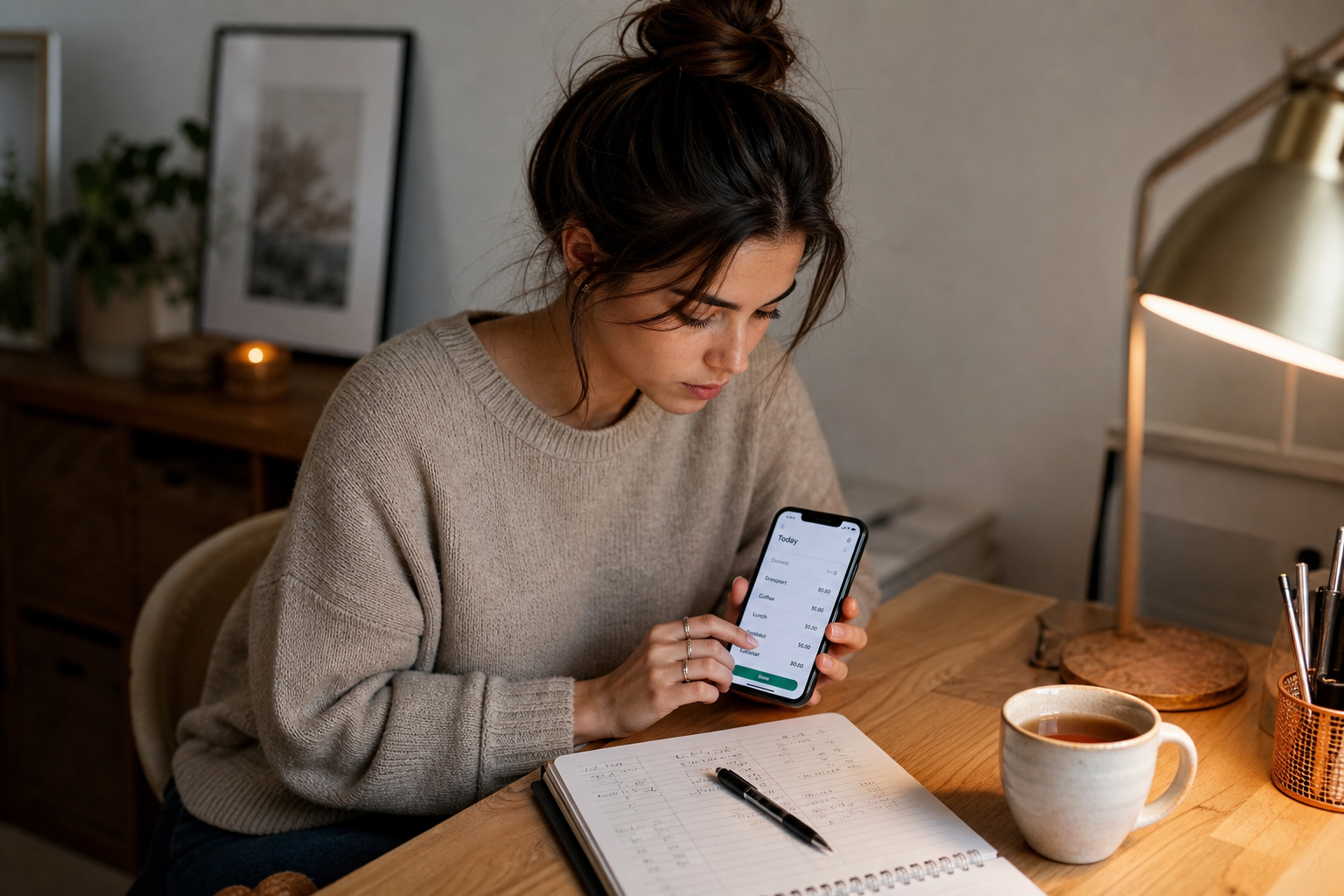
The best daily budget apps in 2026 are the ones that turn your income and bills into a clear daily spending allowance and make logging expenses fast and simple.
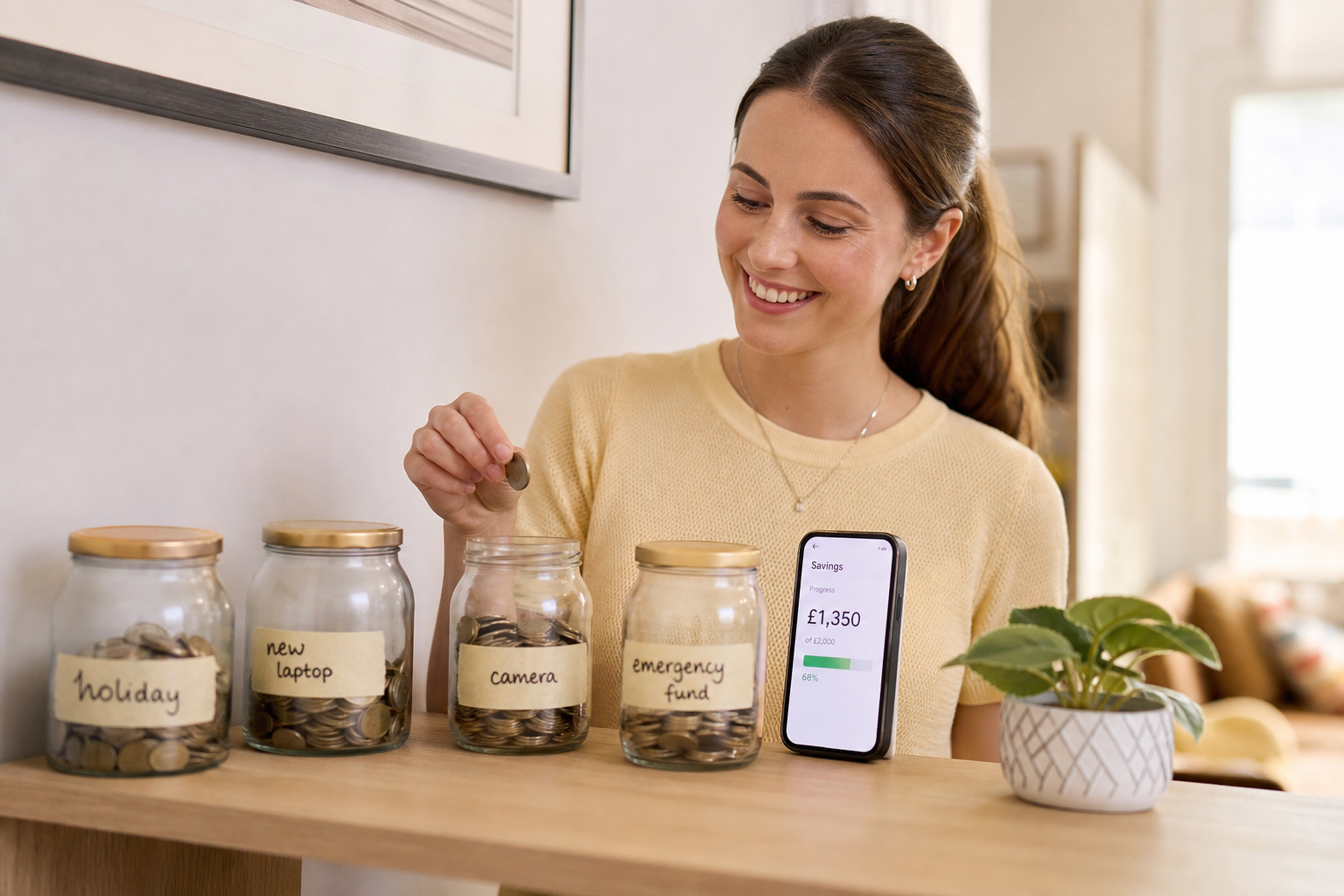
Variable income from shifts, gigs or freelancing? Turn unpredictable pay into a steady daily allowance you can actually trust week to week.
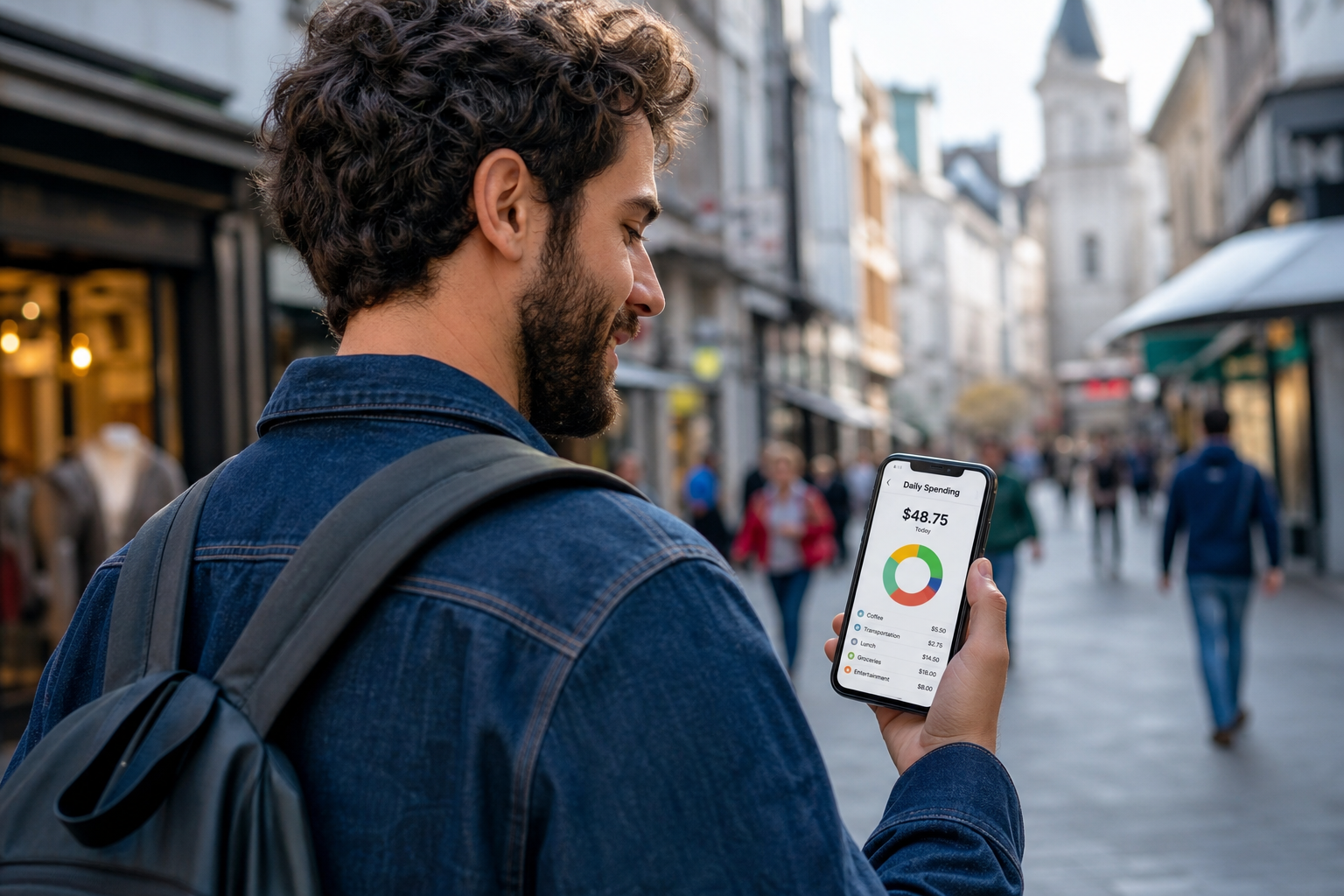
Student budgeting tips with real daily numbers from UK students and young adults, plus simple steps to build your own daily allowance.
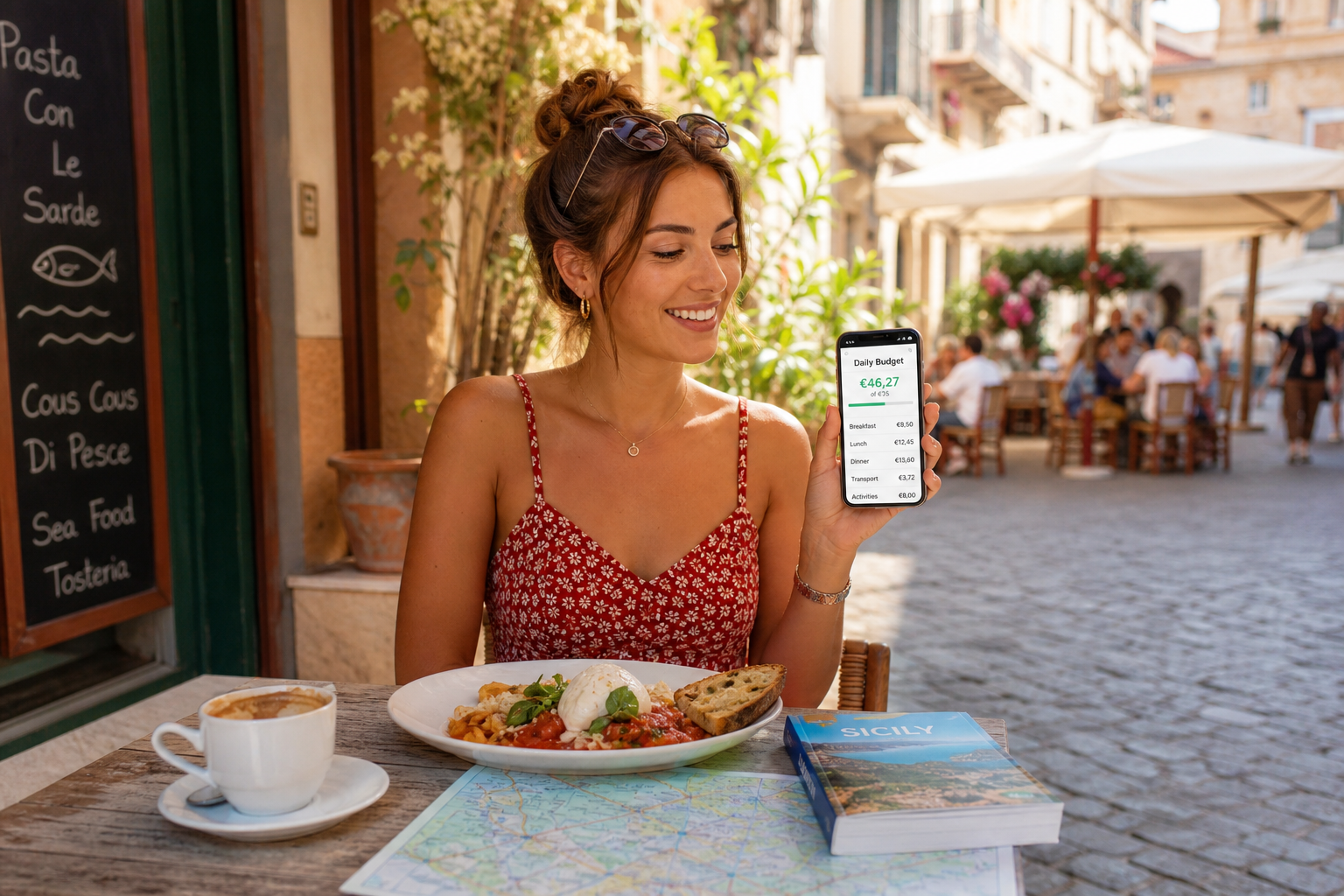
Most spending tracker apps drown you in categories. The seven features that actually build daily habits, and the apps that get them right.
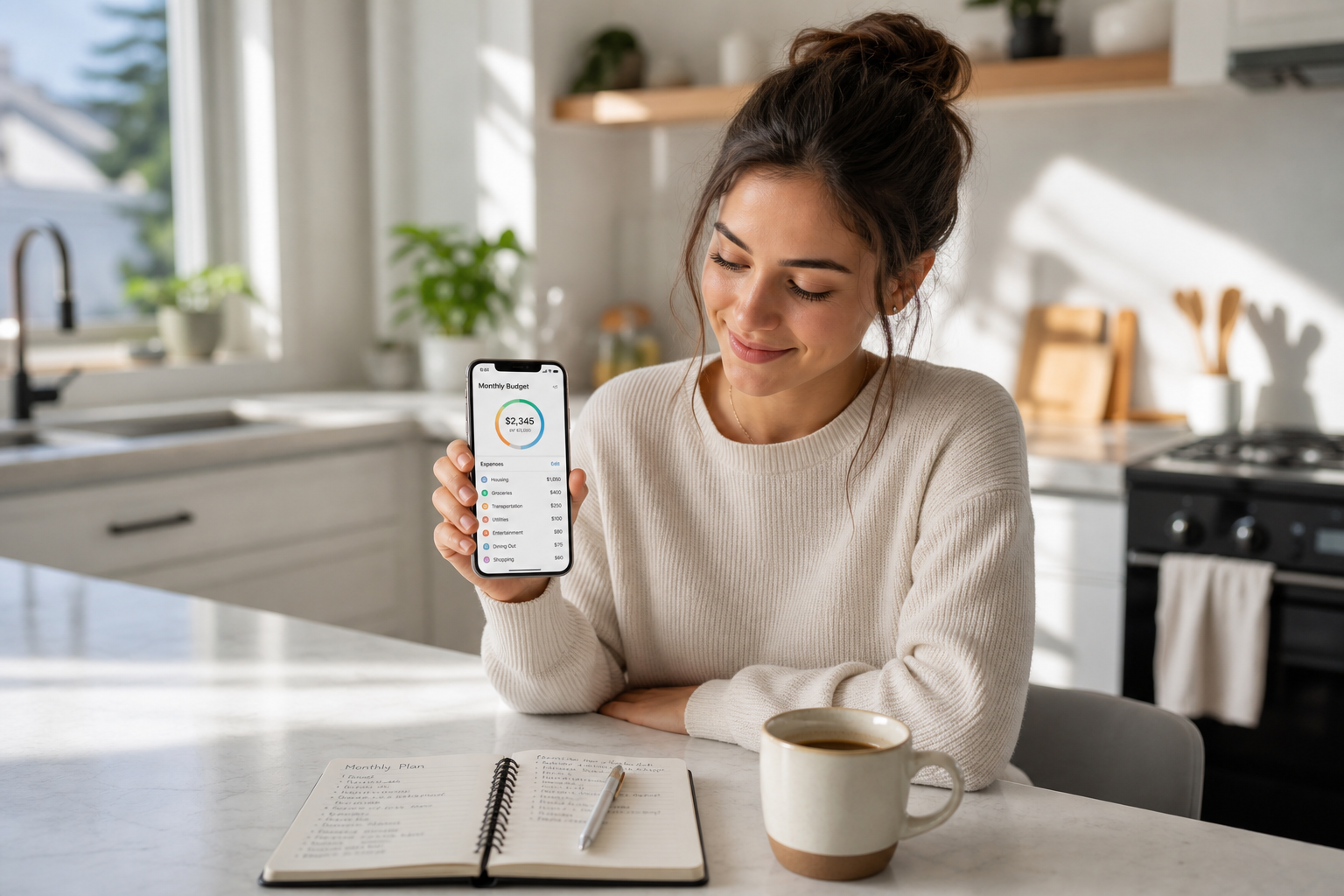
A no-spend month resets your habits faster than any app. How to plan it, the rules that make it survivable, and what people actually save.
A realistic student budget example built day by day. See how UK students in expensive cities stretch a maintenance loan with a daily number.
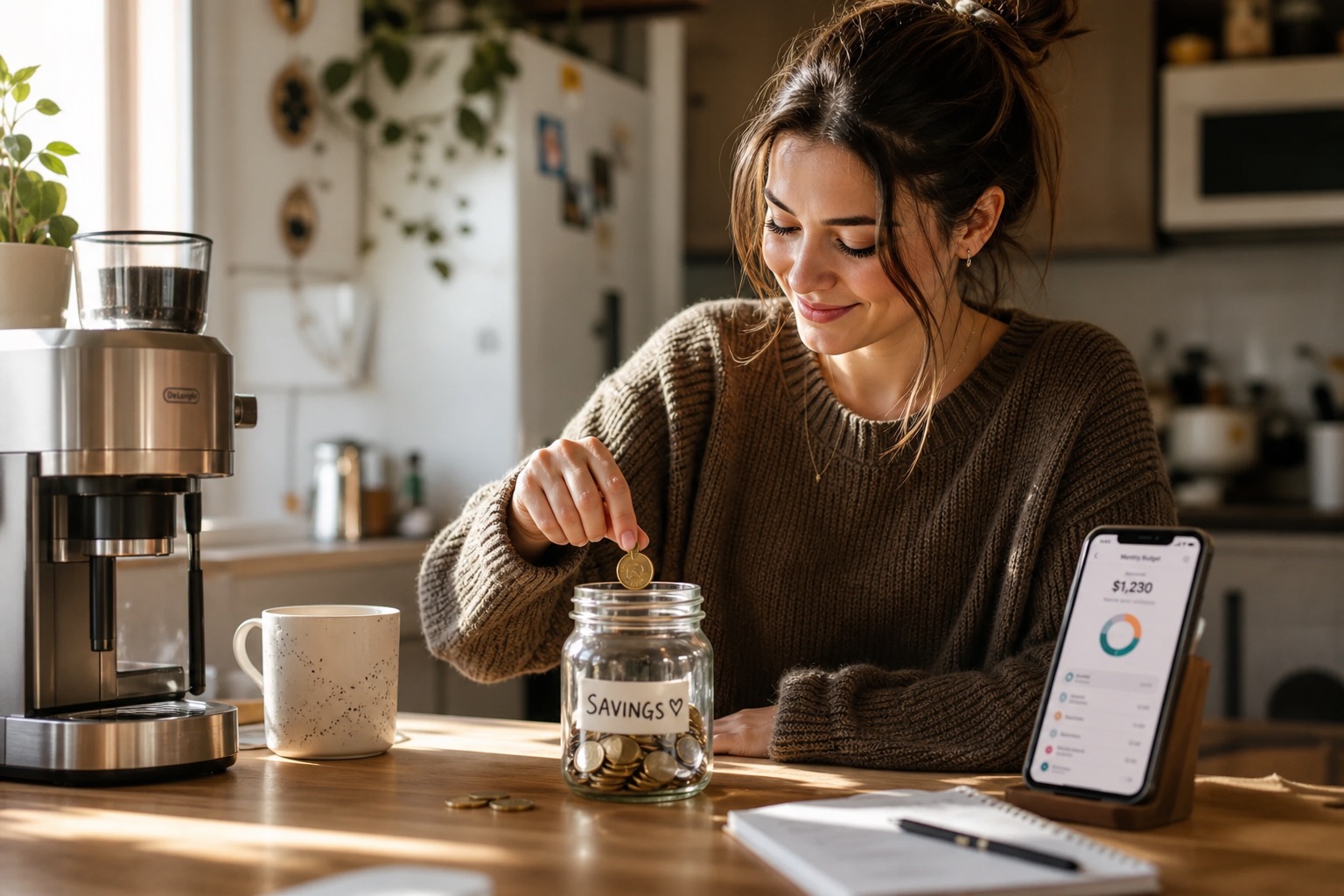
Build a daily money routine that takes five minutes, no spreadsheets and no guilt. A gentle way to stay on top of spending without a full budget.
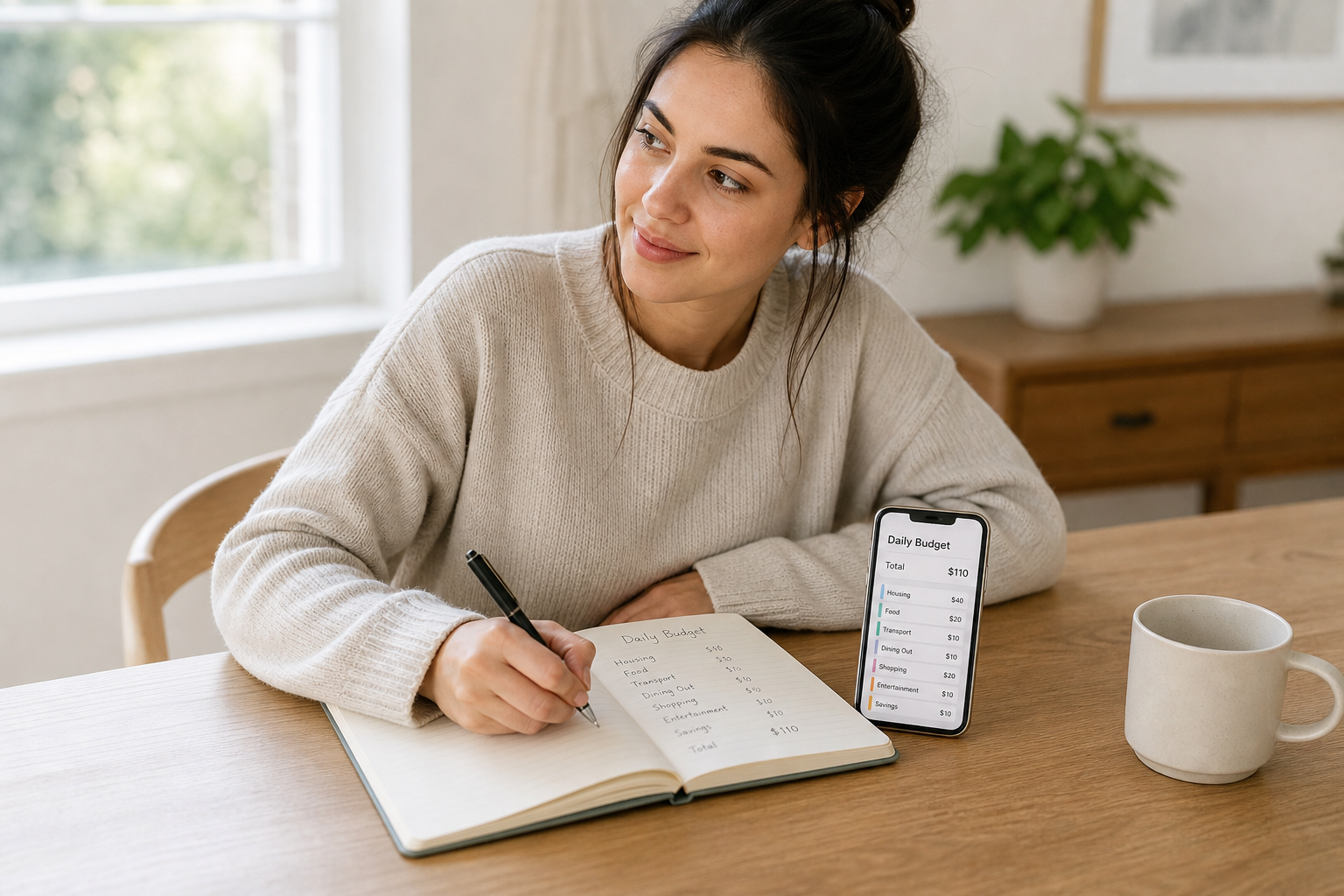
Budget apps that don't need a bank account work through manual entry: you input your income, bills and daily expenses yourself, and the app uses those numbers to calculate budgets, allowances and goals.
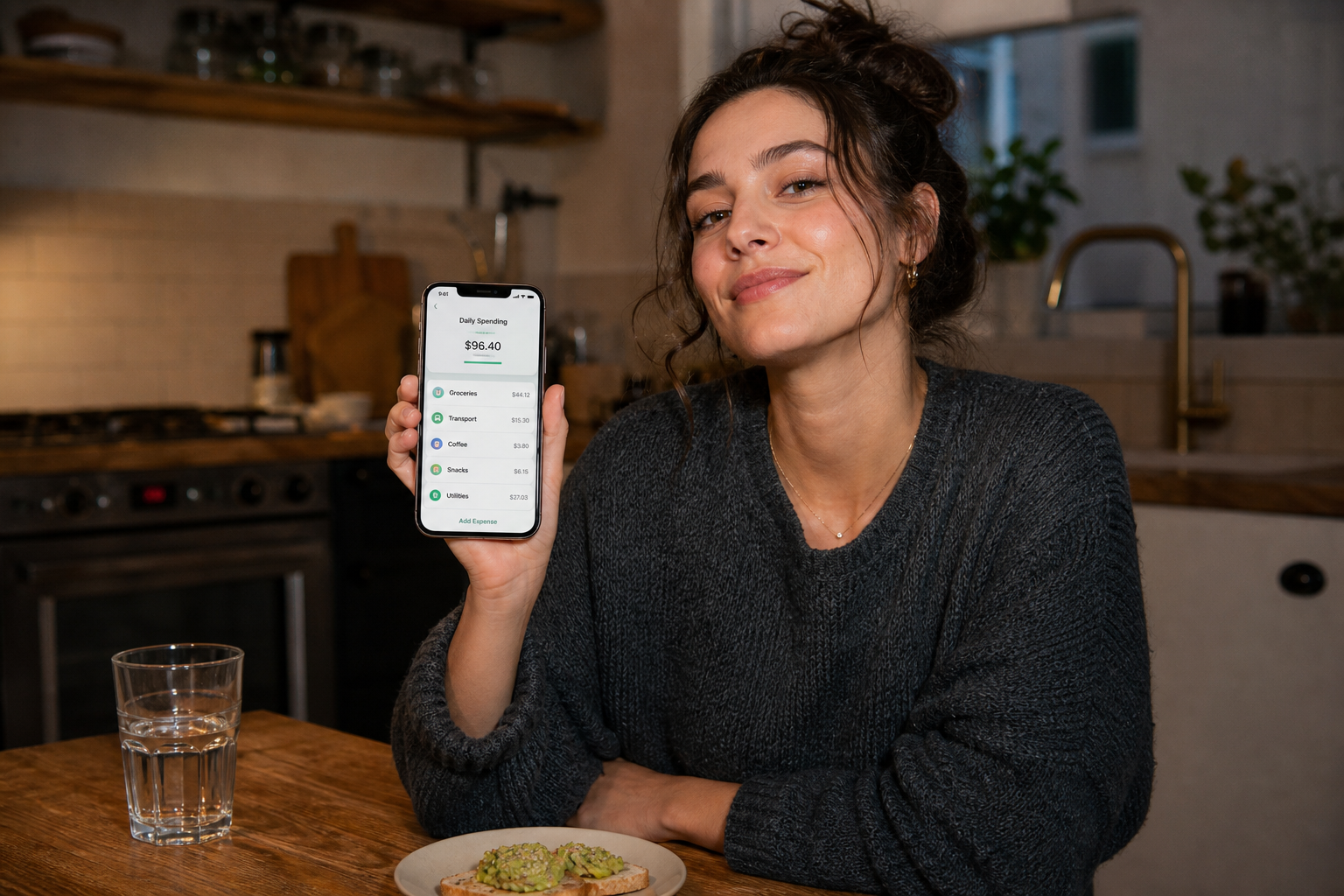
The best budgeting advice for your 20s is: know your daily allowance, build an emergency fund before anything else, avoid lifestyle inflation, and link your saving to specific things you want.
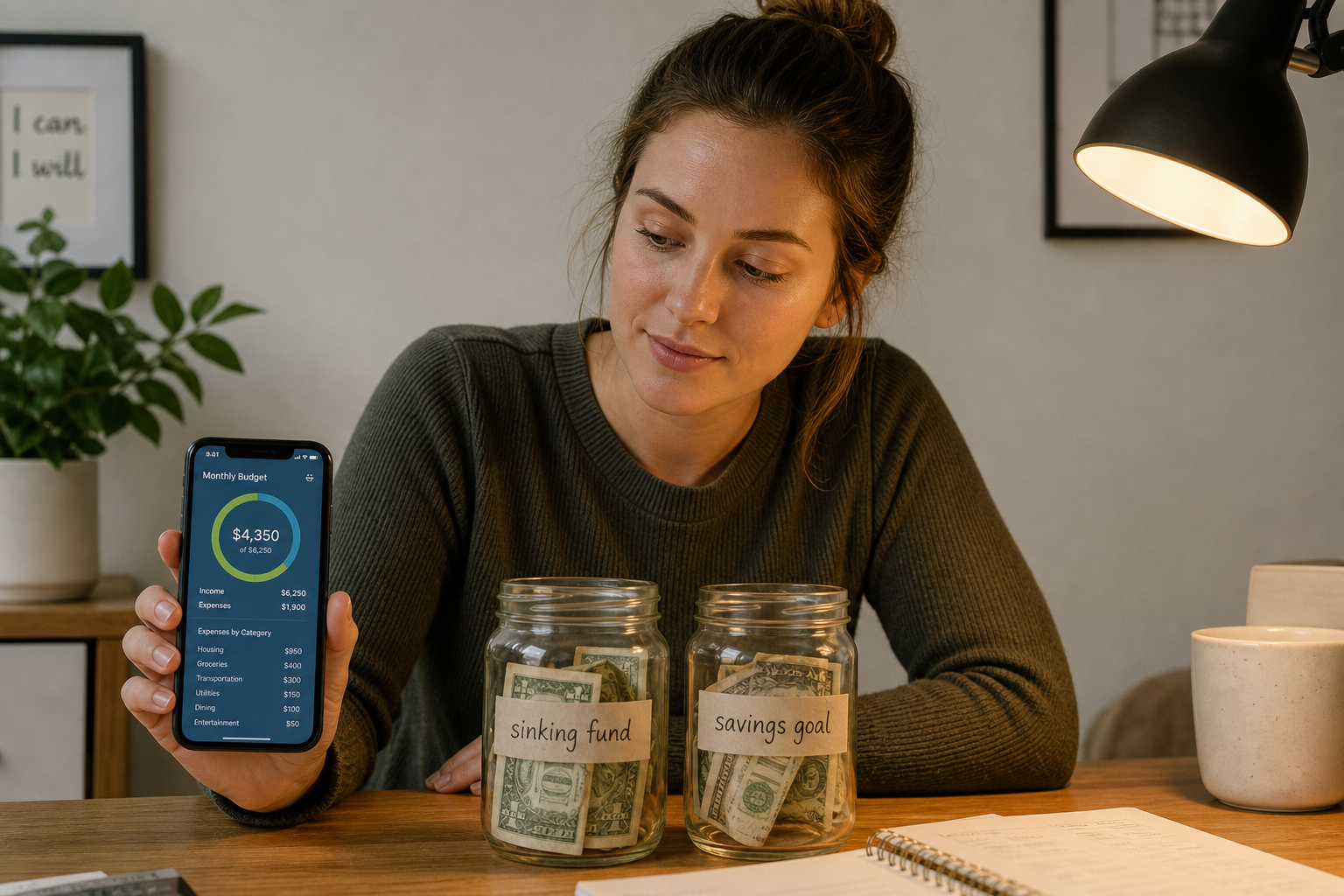
Never stuck to a budget? This beginner guide builds your first daily budget in under 30 minutes, with no spreadsheets and no jargon.
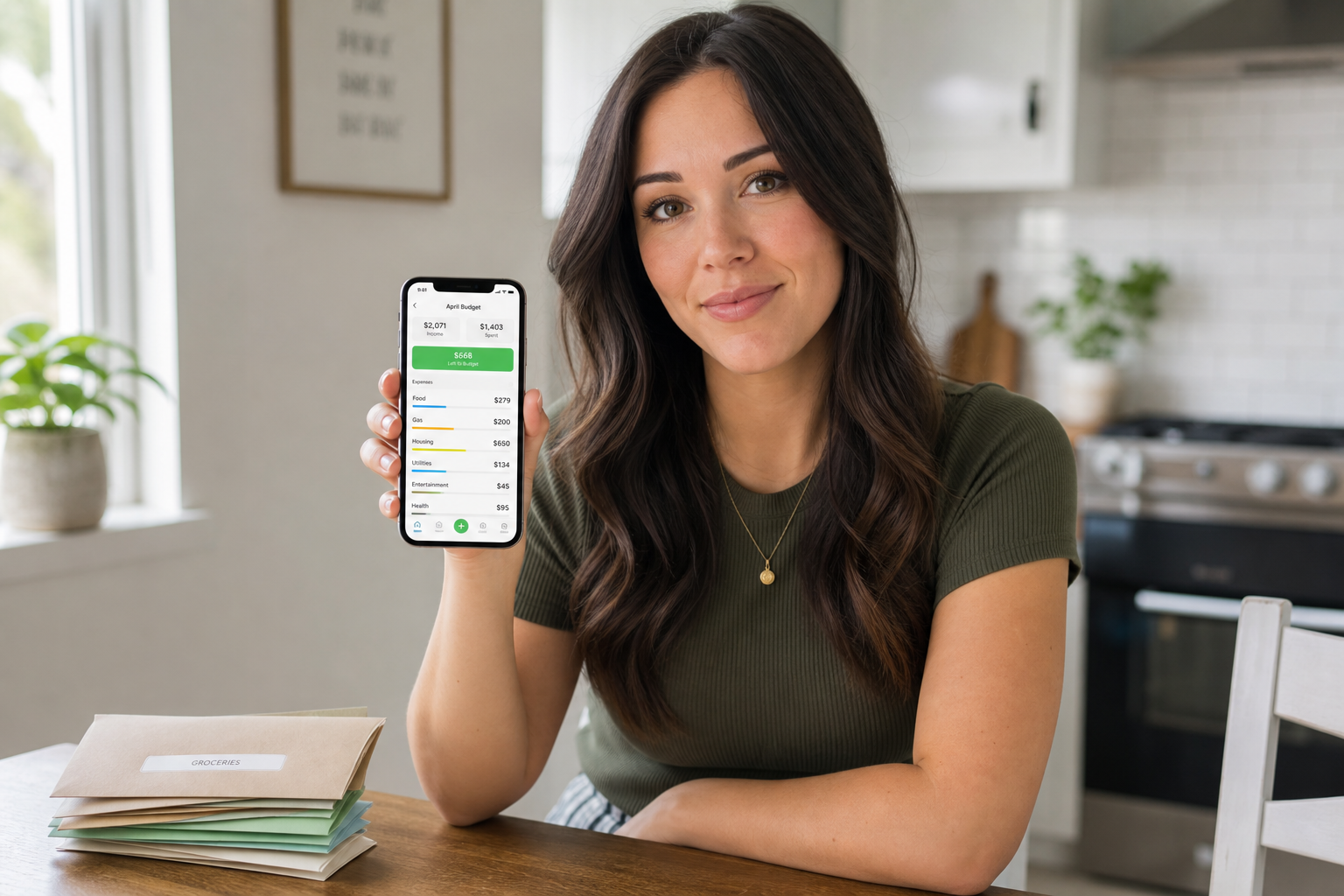
How to stop impulse buying for good: know your triggers, add friction, and use a daily limit that makes the decision for you.
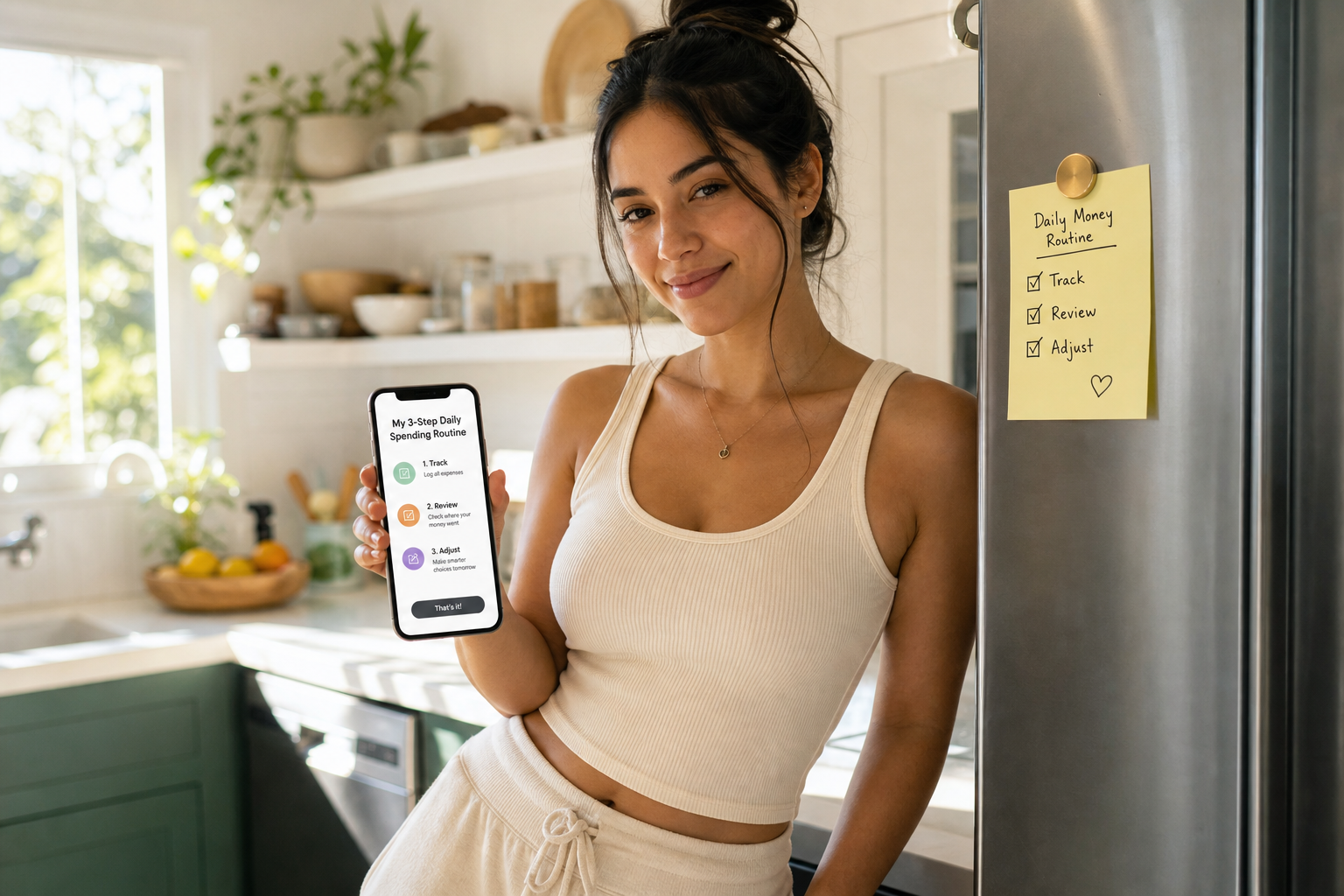
Small ways to save money every day, no dramatic lifestyle change needed. Ten micro-habits that quietly add up faster than you think.
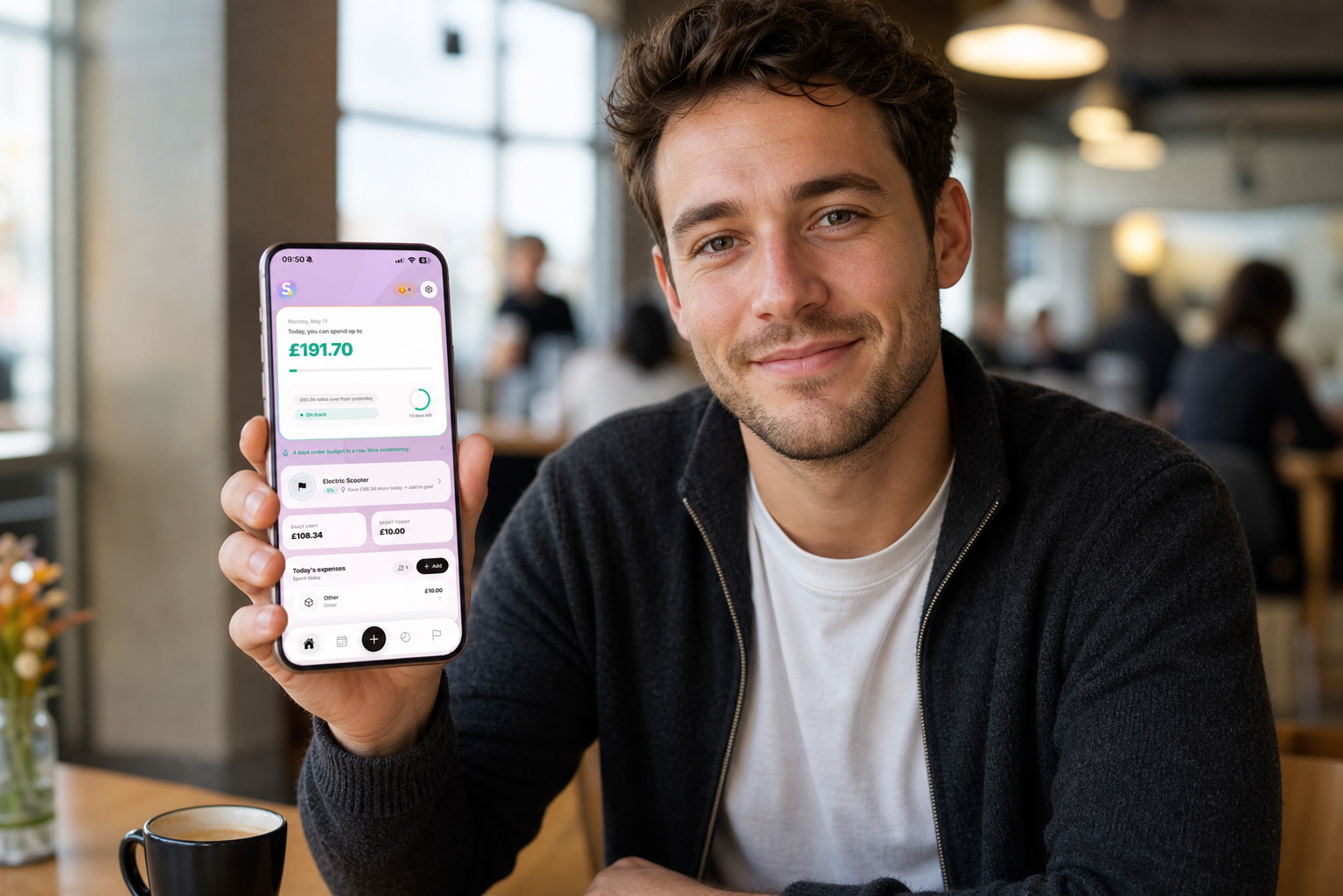
Ended the day under budget? Do not let leftover money evaporate. A simple way to turn small daily surpluses into visible goal progress.
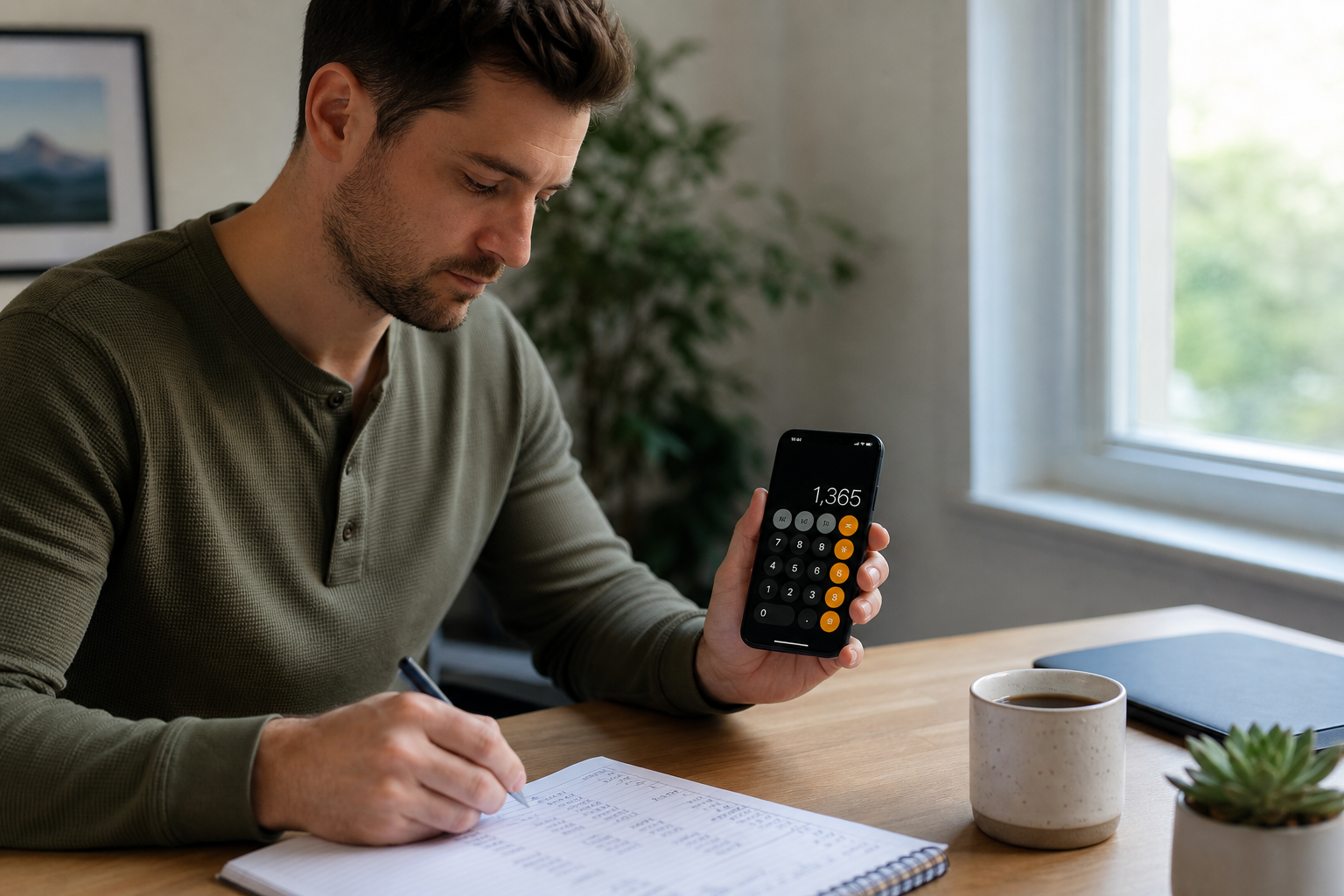
Budgeting without a full bank account is doable. How students and young workers can budget with prepaid cards, cash and simple manual apps.
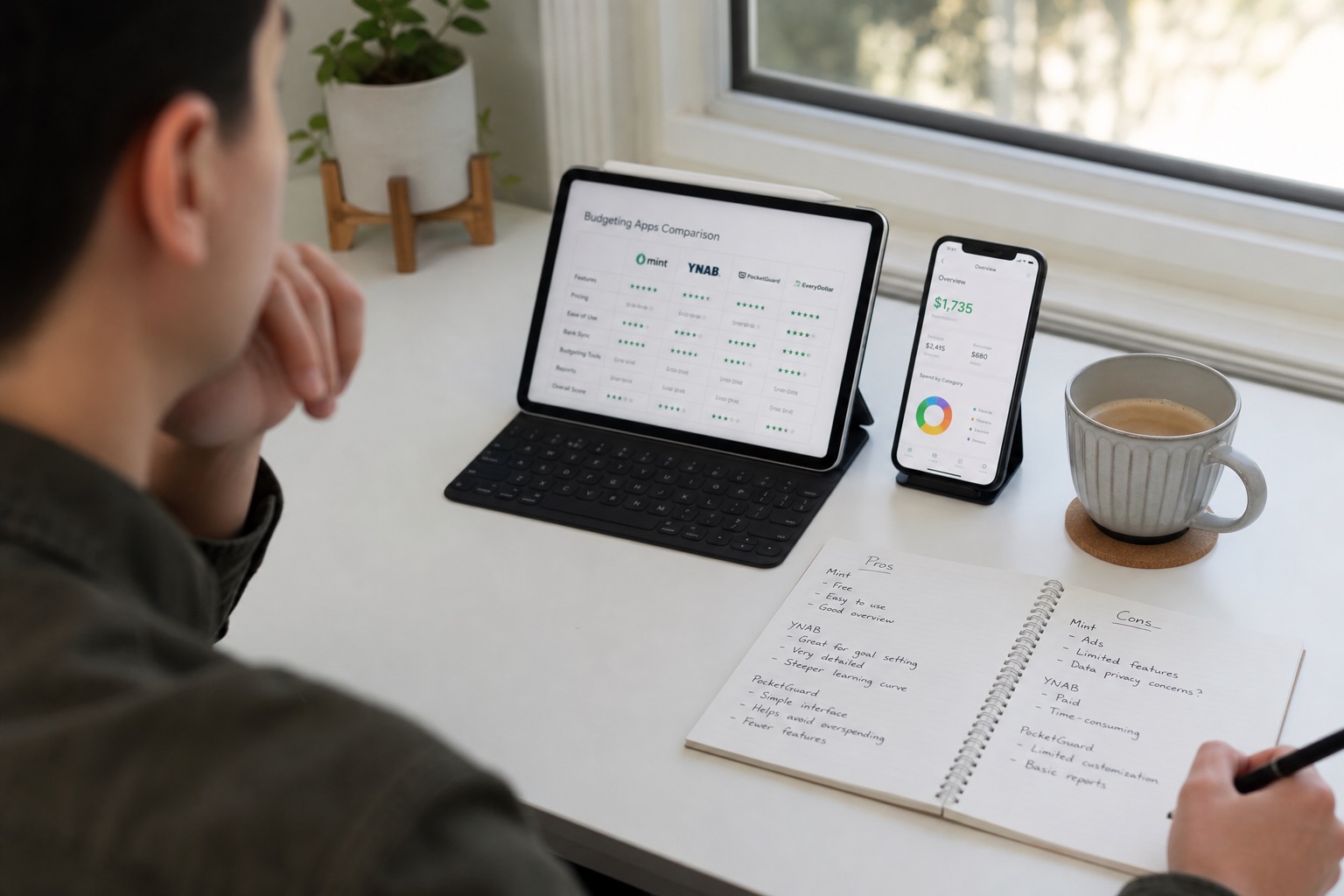
Choosing a budget app in 2026? Nine things that actually matter, from daily clarity to privacy, and the questions to ask before you commit.
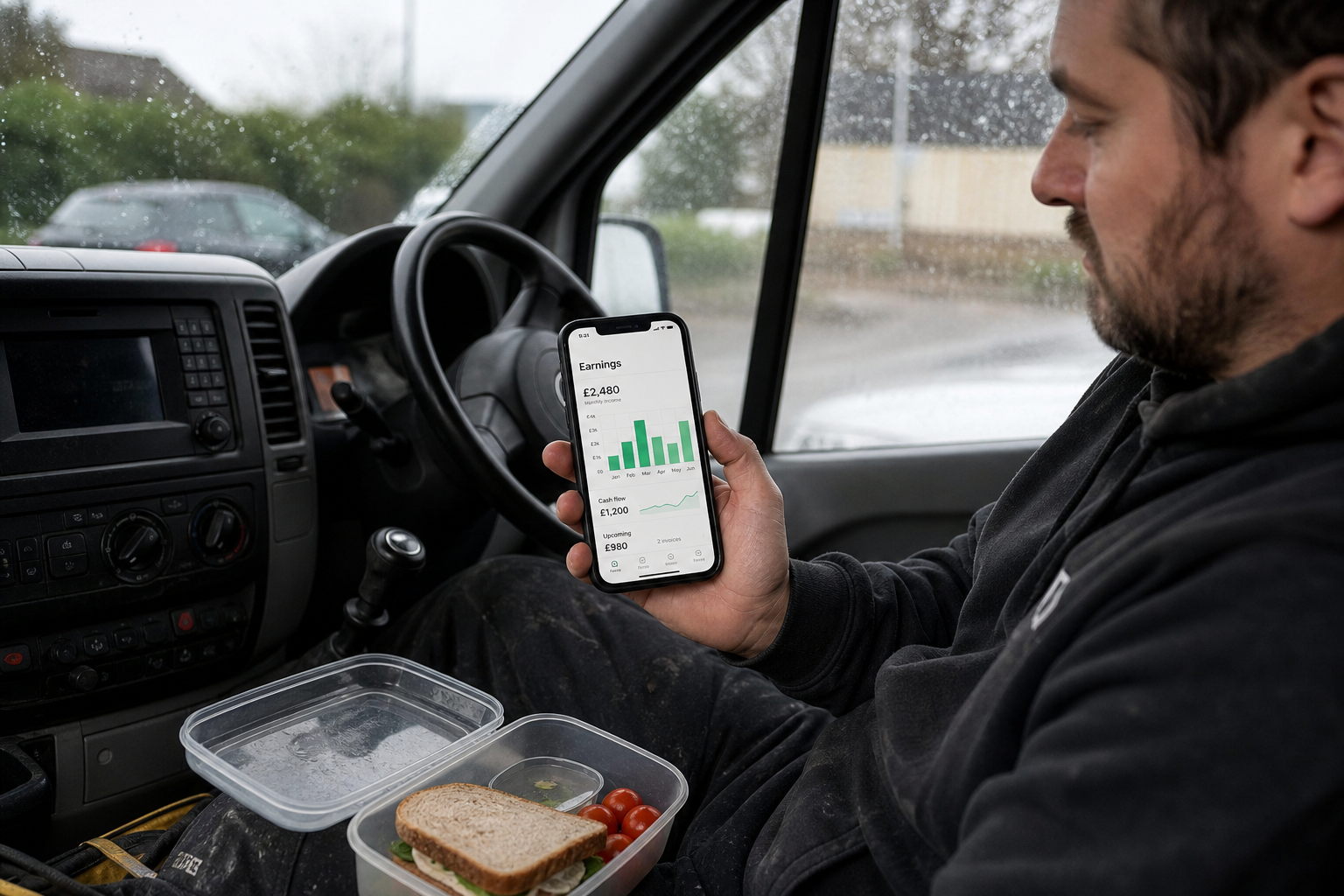
A free daily budget template you can fill in today. Work out income, fixed costs and goals, then get one realistic daily spending number.
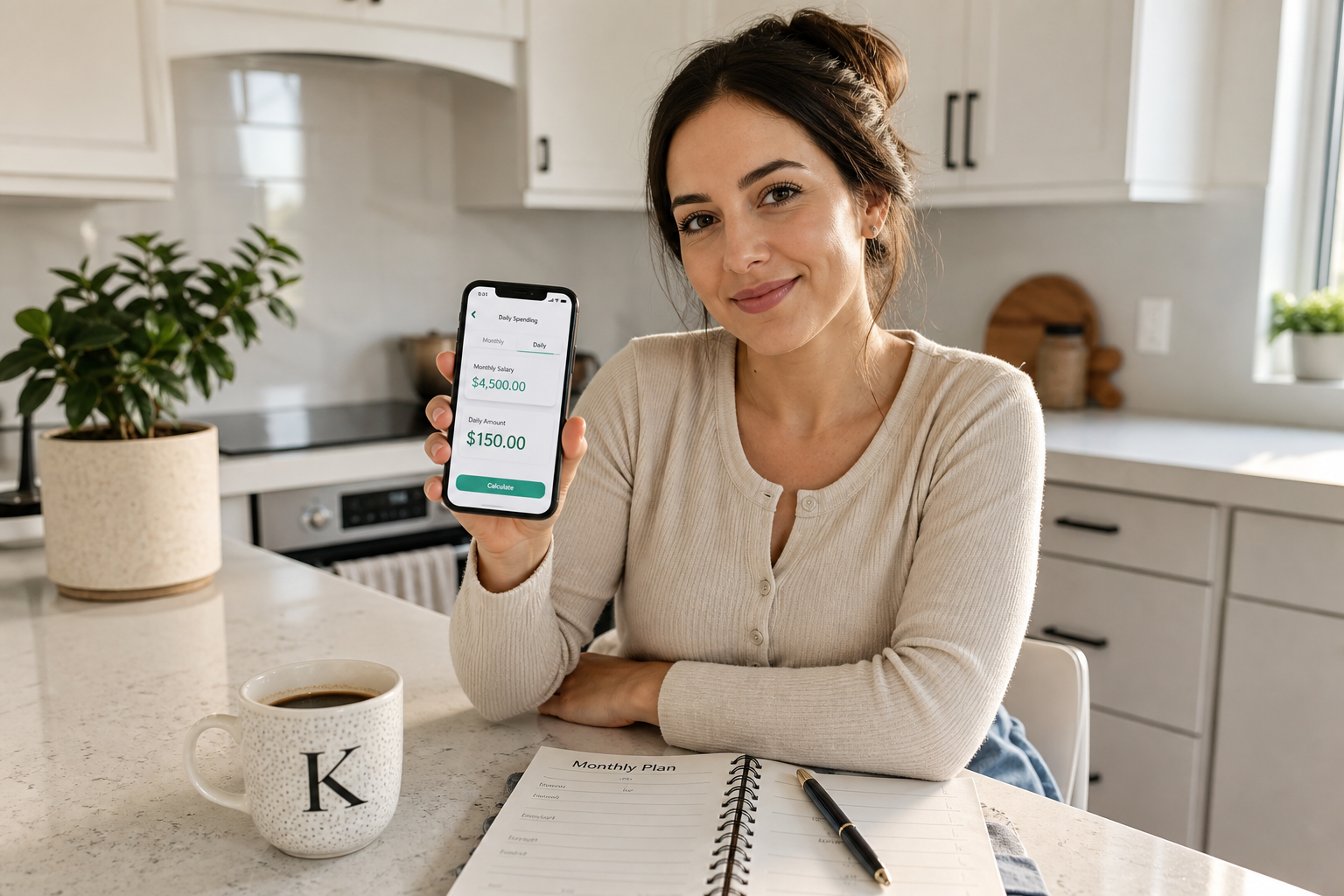
The daily allowance method turns your monthly plan into one number you can check in seconds. How it works and how to set yours today.
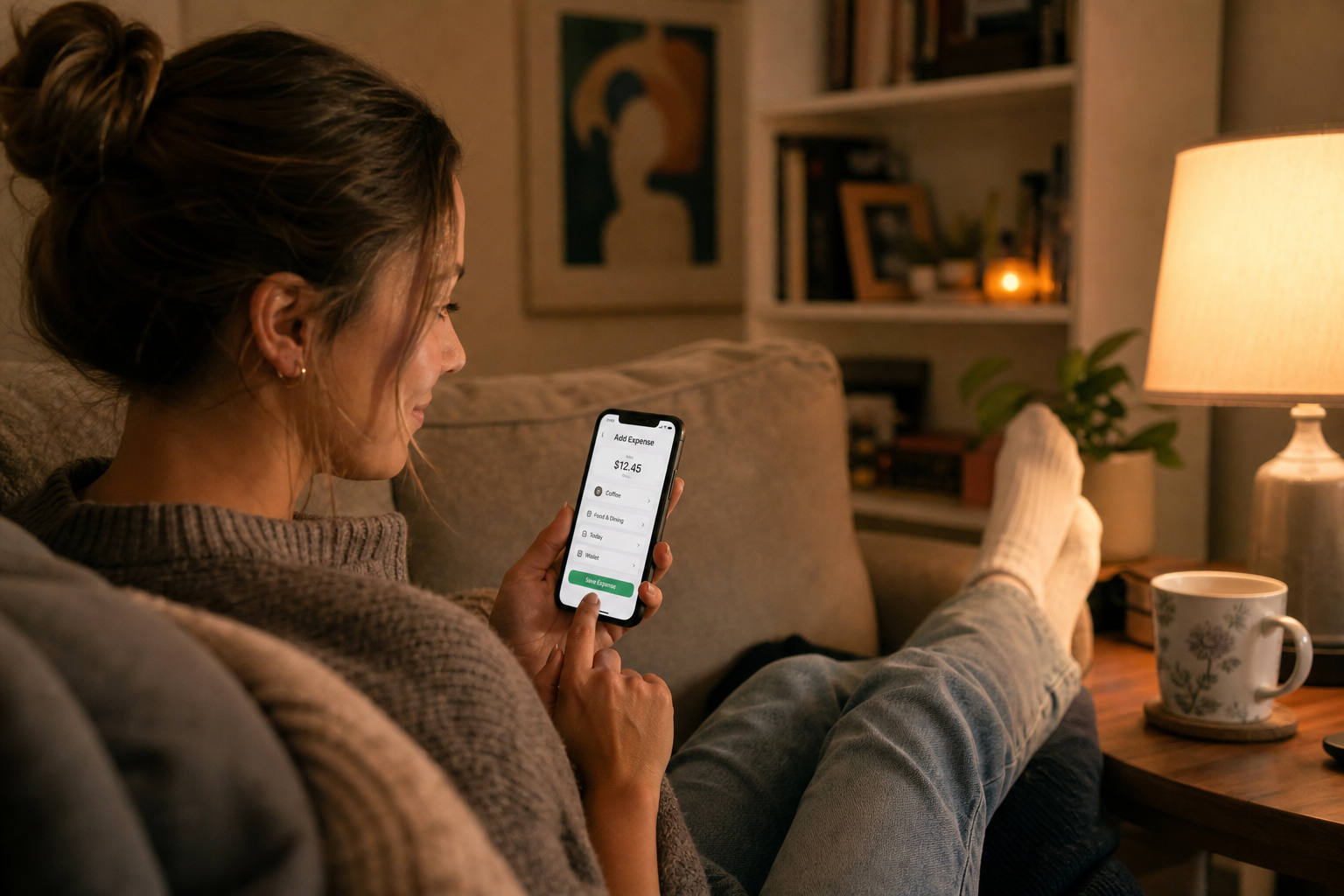
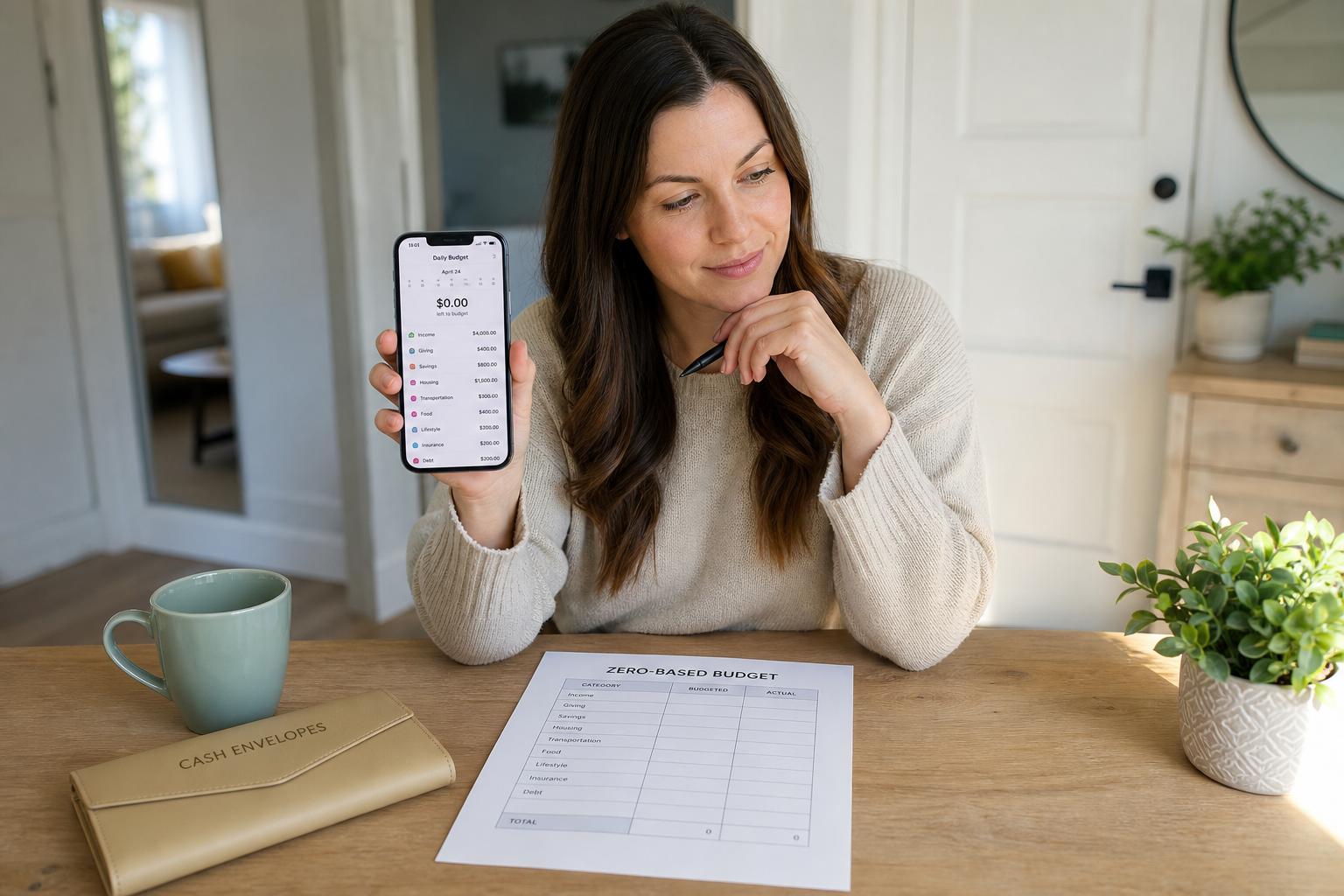
Zero-based budgeting gives every pound a job. Daily budgeting gives you one number. Compare both, with envelope budgeting as the middle ground.
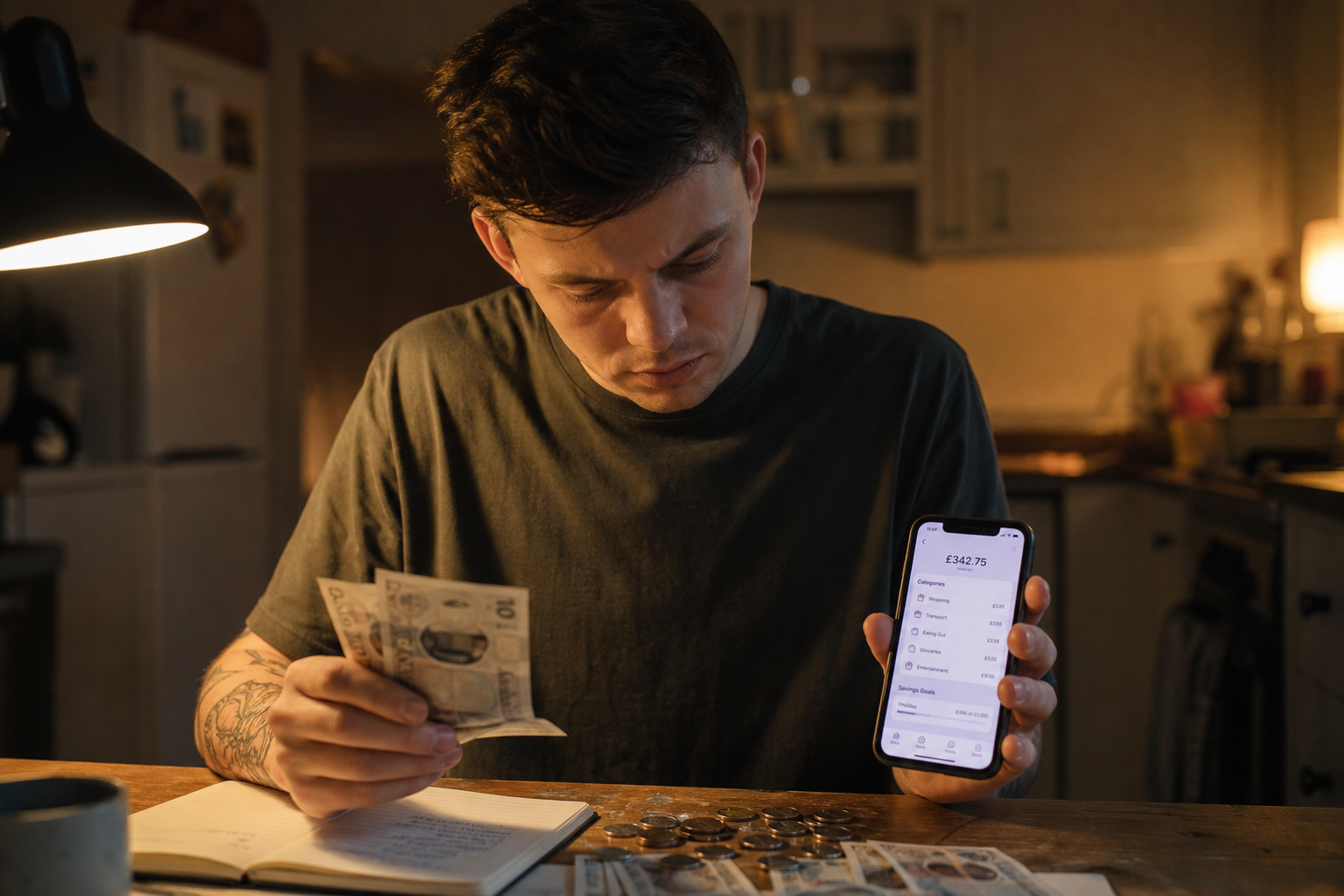
Manual expense tracking builds awareness that auto-sync never will. How to switch from a bank-synced app to a simple daily logging habit.
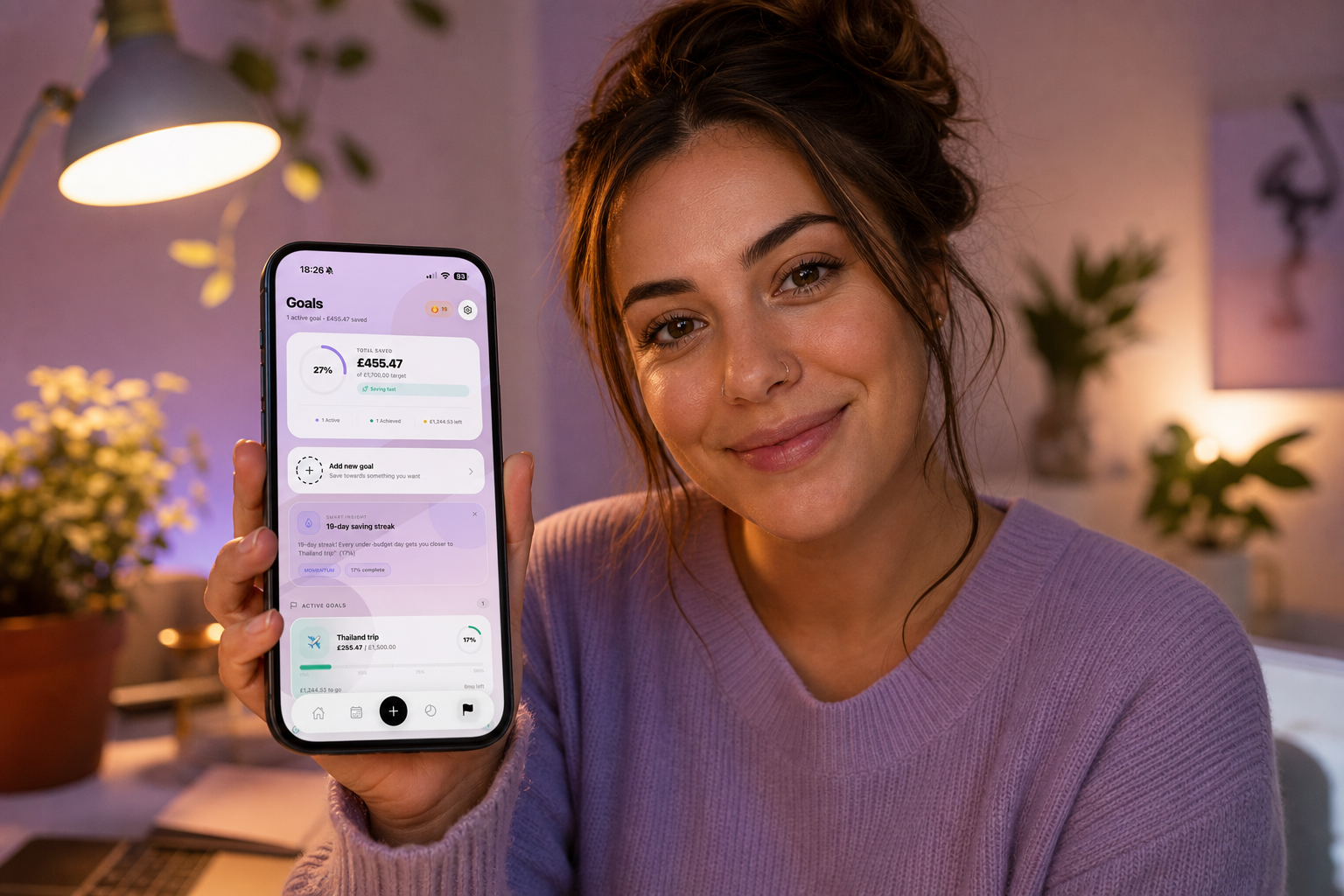
Daily expense tracking fails when it takes too long. A 2-minute routine that keeps you consistent without end-of-day catch-up sessions.
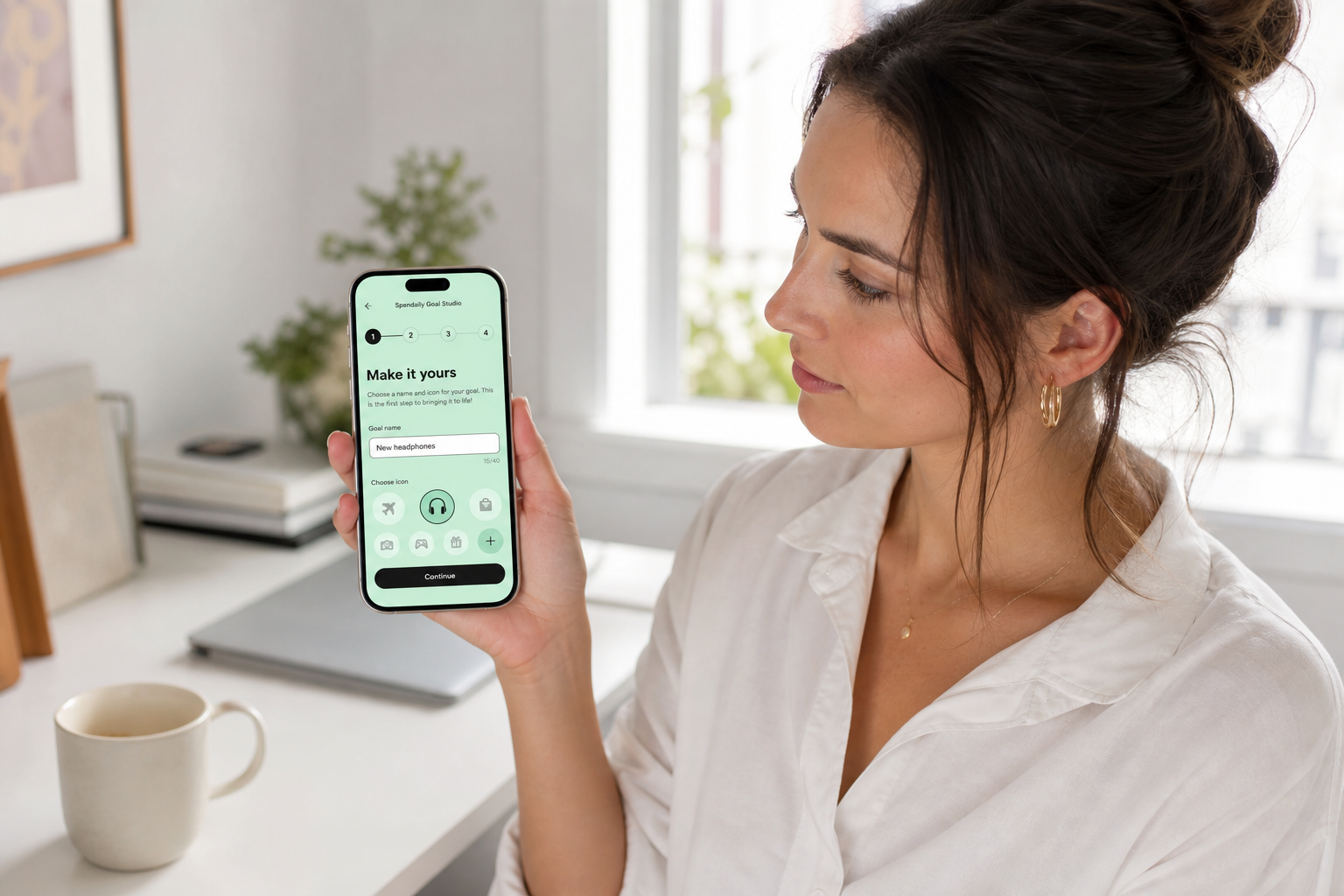
Bank-linked budget apps see more than you think. What you share when you connect accounts, and how no-bank-link budgeting protects your data.
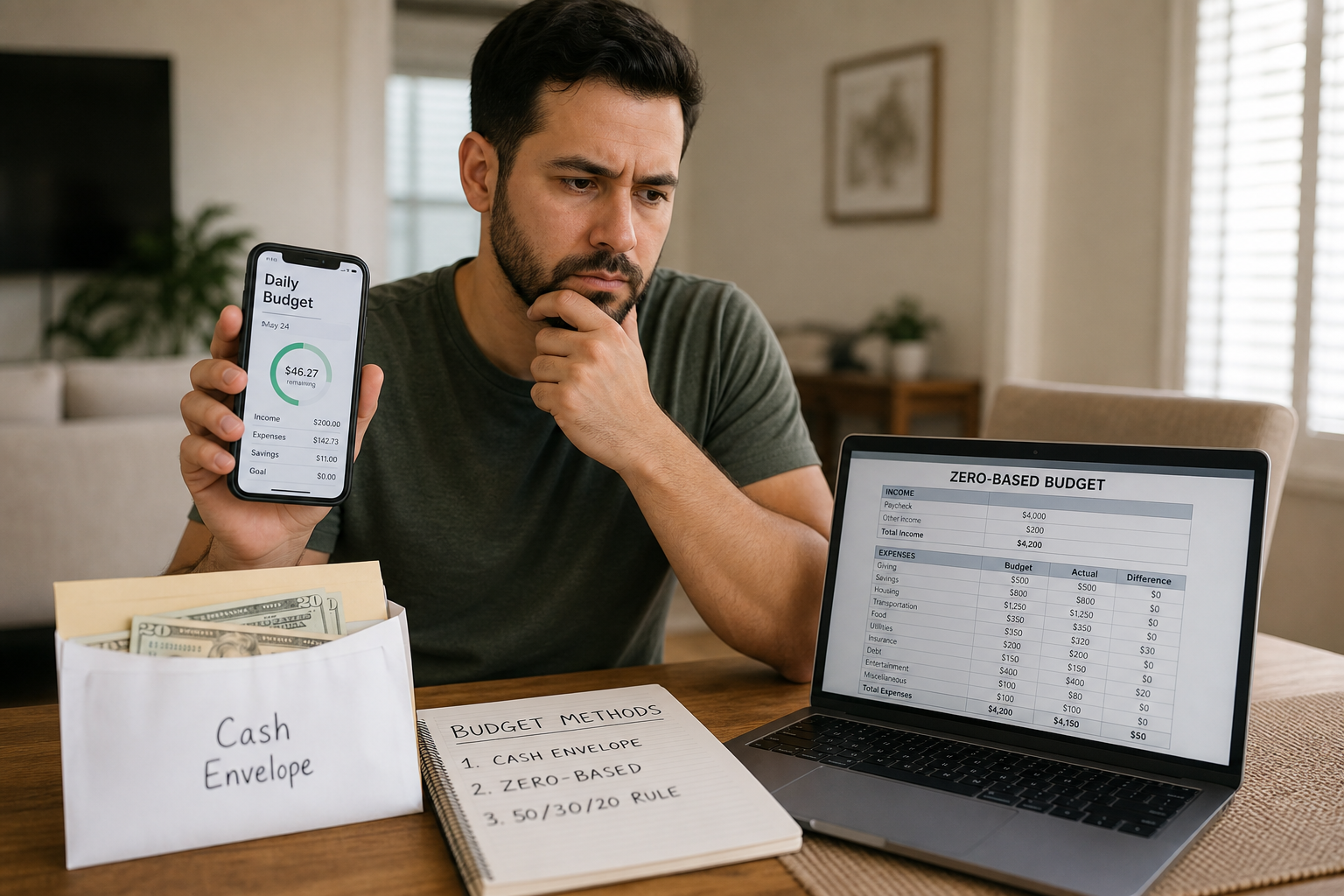
Thirty budgeting tips from real people who actually kept their budgets, plus the one daily habit that ties them all together.
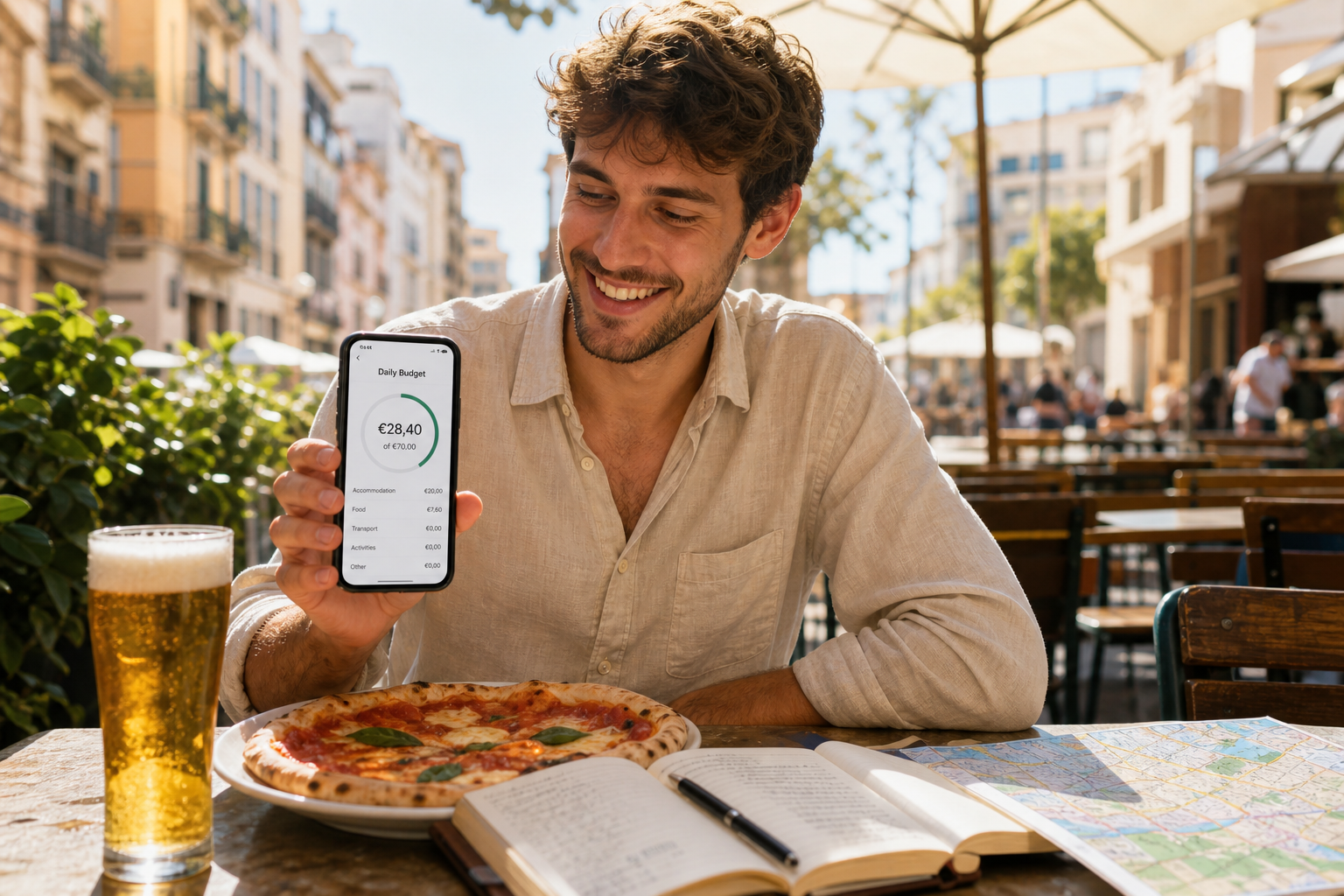
A good savings goal tracker app does three things well: it lets you set specific goals with deadlines, makes progress visible, and fits smoothly into your existing budget.
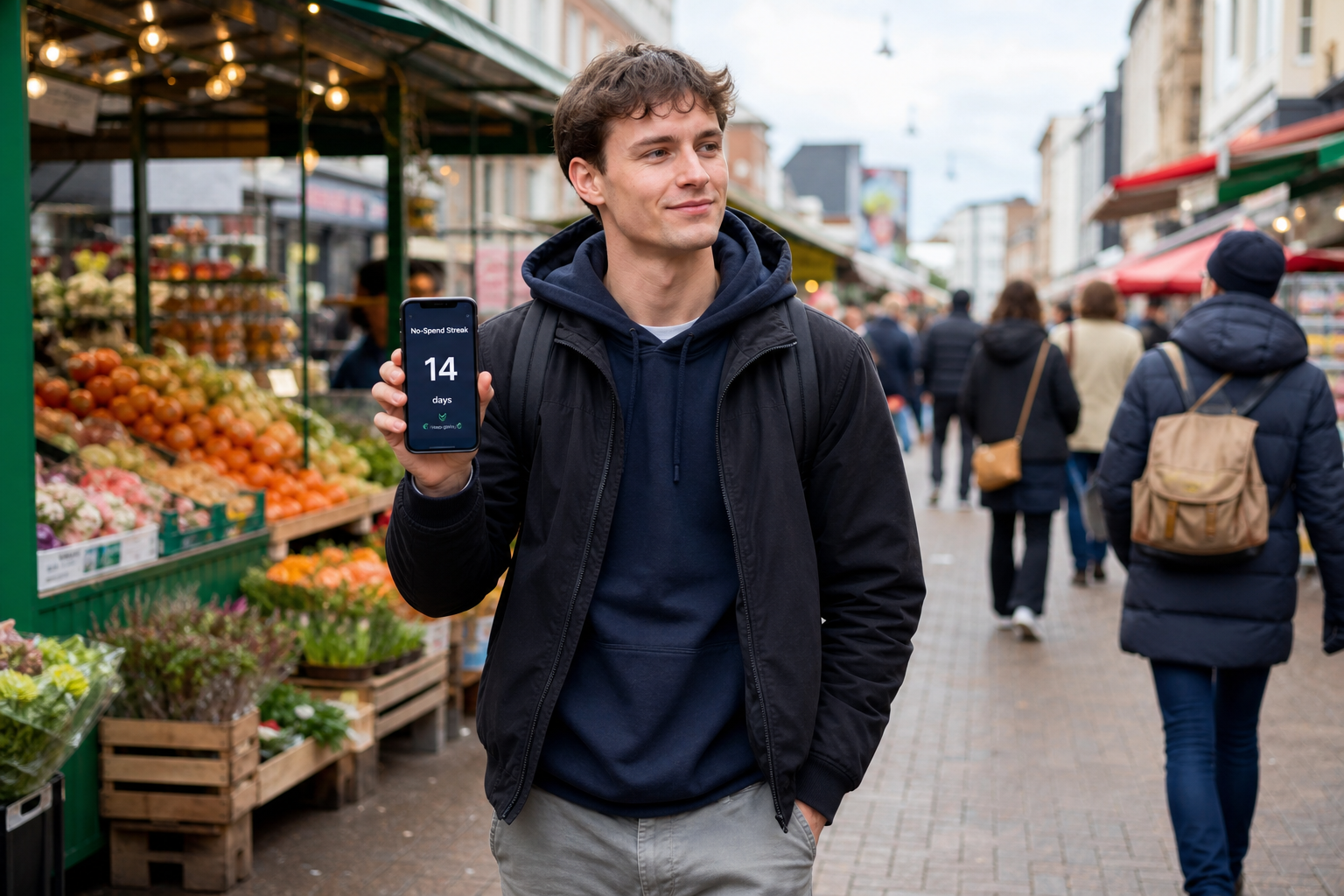
Daily budgeting helps young adults cope with UK cost-of-living pressures by turning an overwhelming monthly picture into one daily spending number.
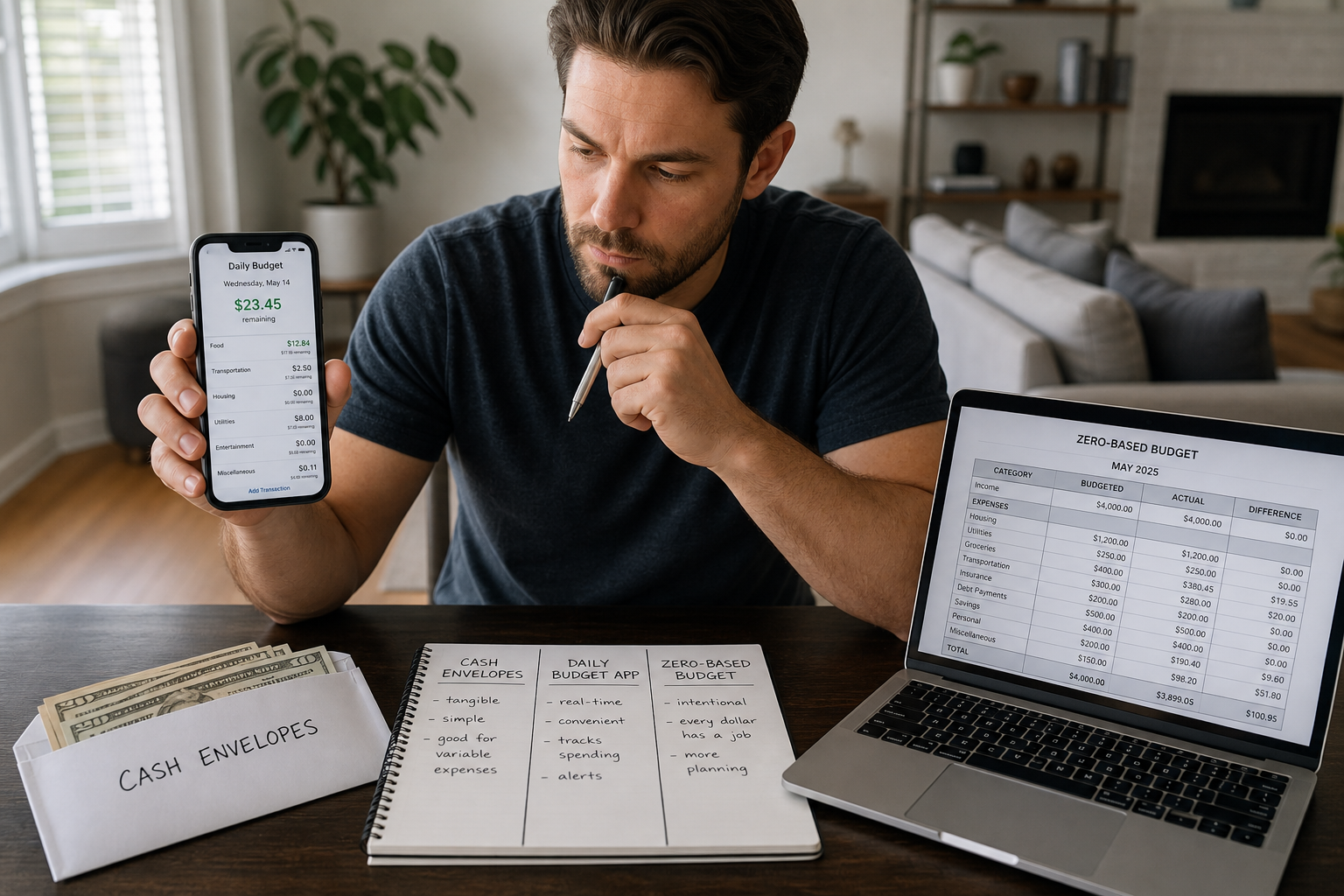
Paid weekly, fortnightly or monthly? Turn each paycheck into a clear daily spending limit so the money lasts until the next one.
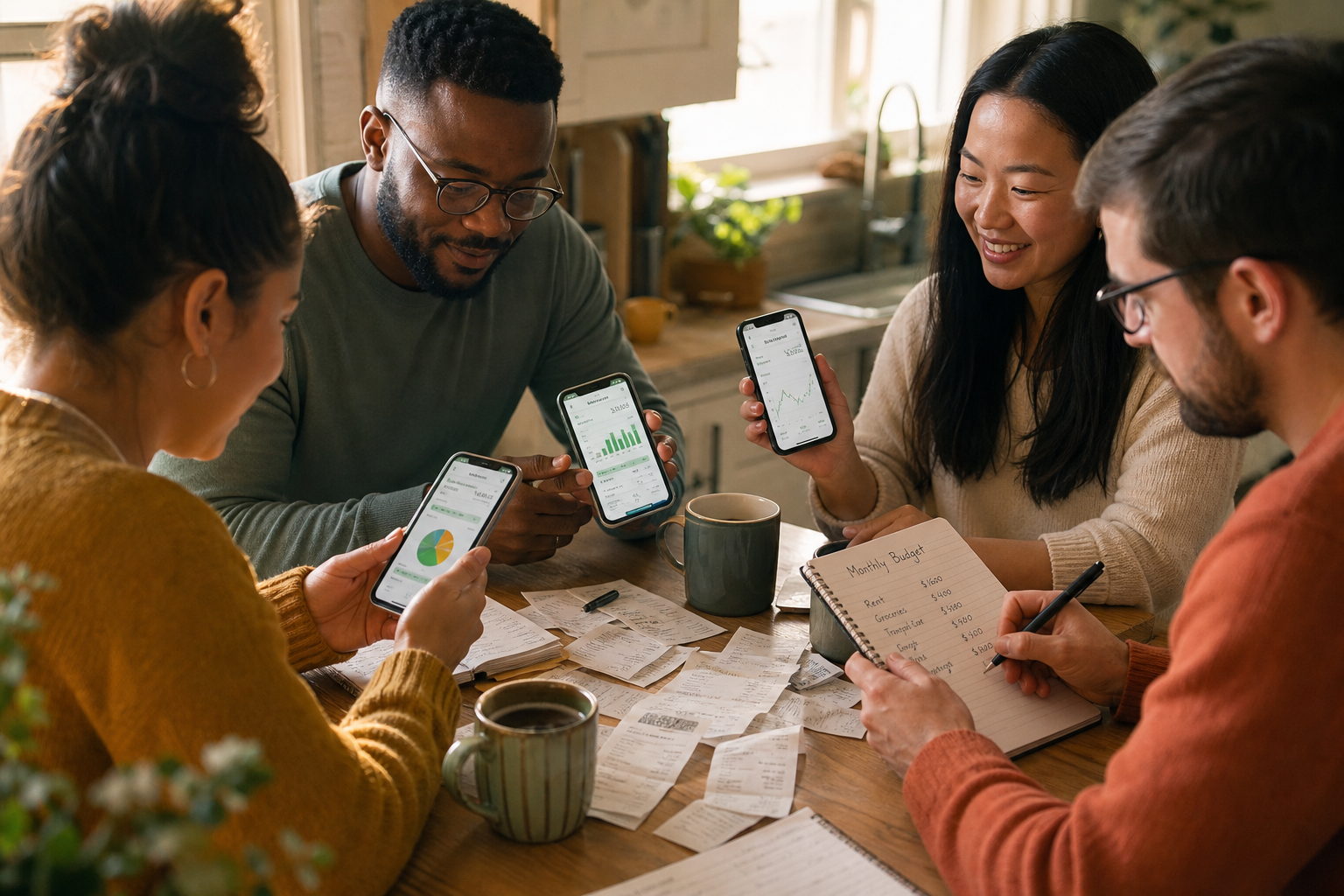
Big events like weddings, festivals and milestone birthdays can wreck your finances if you only look at the final bill.
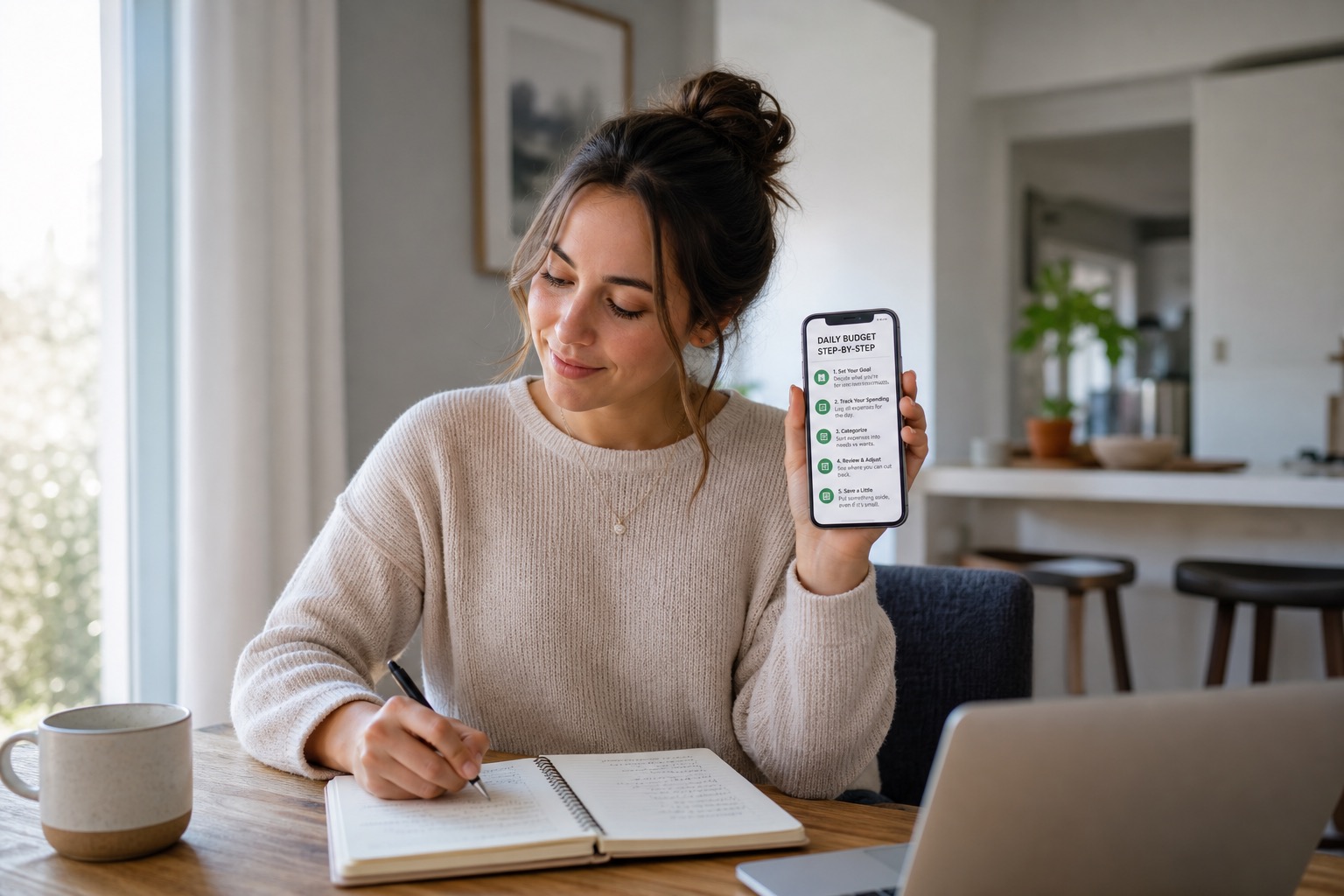
Moving city in the UK can change your cost of living more than you expect, especially if you’re heading to or from London.
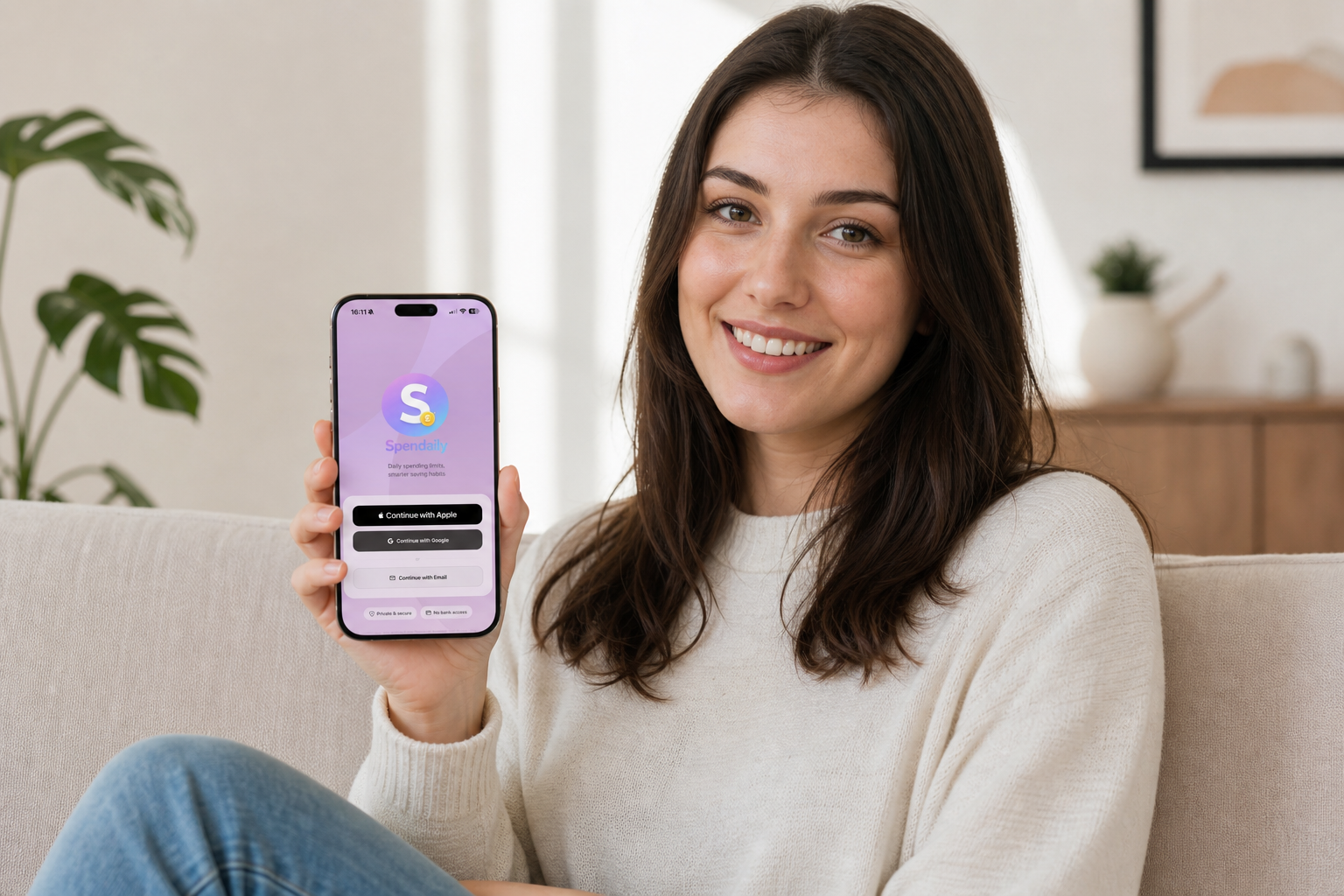
Travelling on a daily budget means deciding in advance how much you can spend each day on food, activities and extras, then organising your trip so that number is realistic.
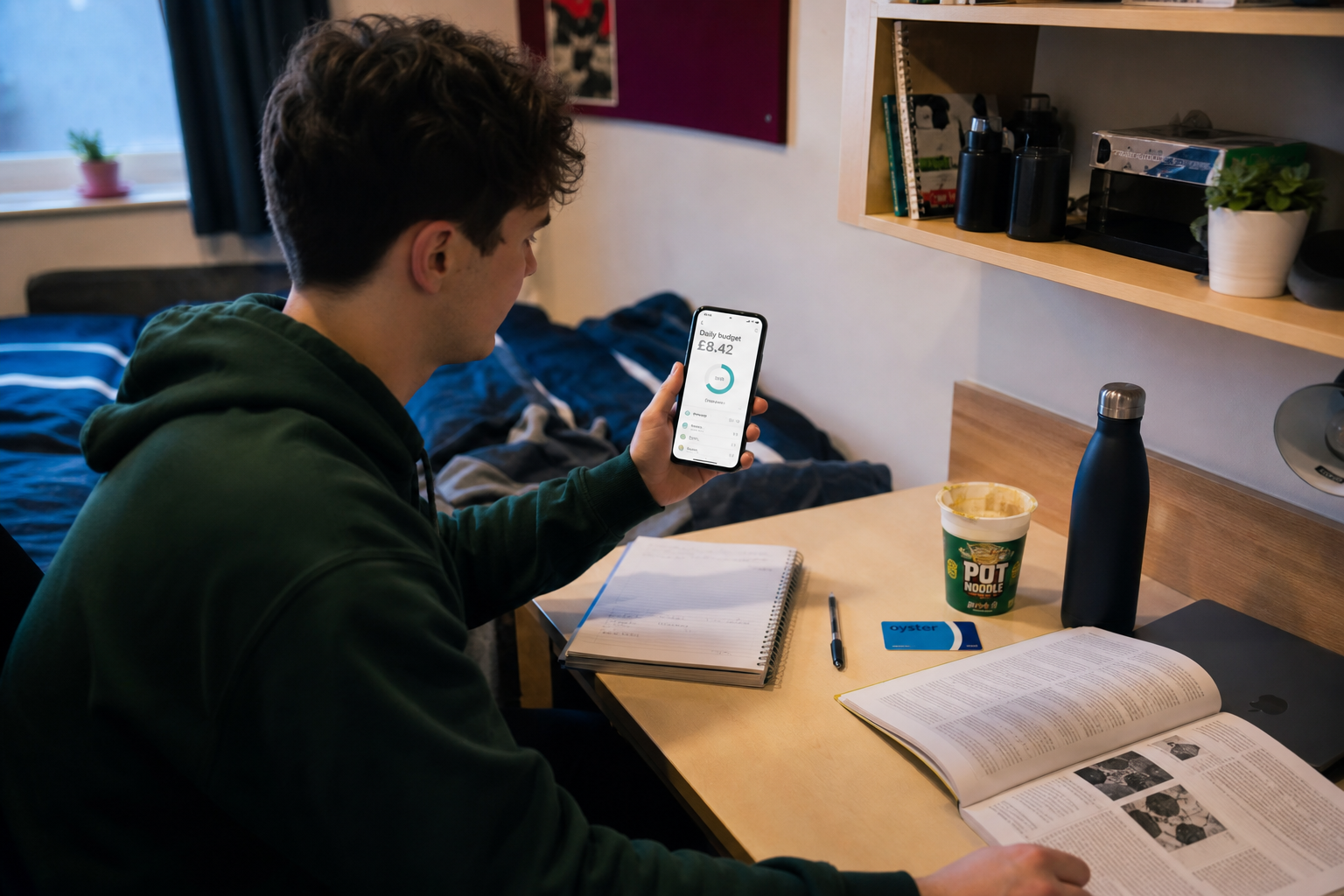
Zero-hour and shift work make your income hard to predict, but your bills still show up on time.
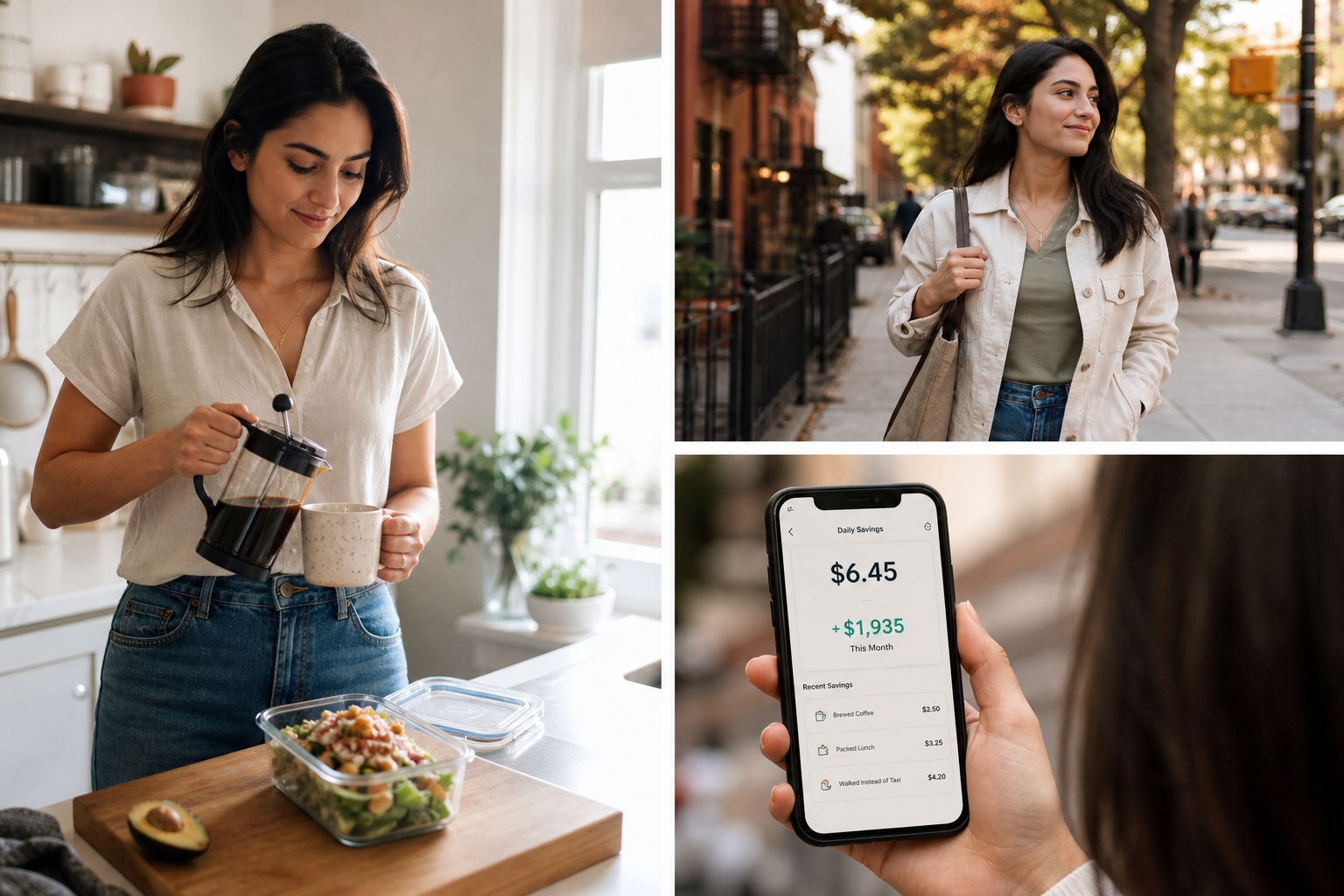
Side hustle income often feels like "extra" money, which is why it tends to vanish into coffees, takeaways and small upgrades.
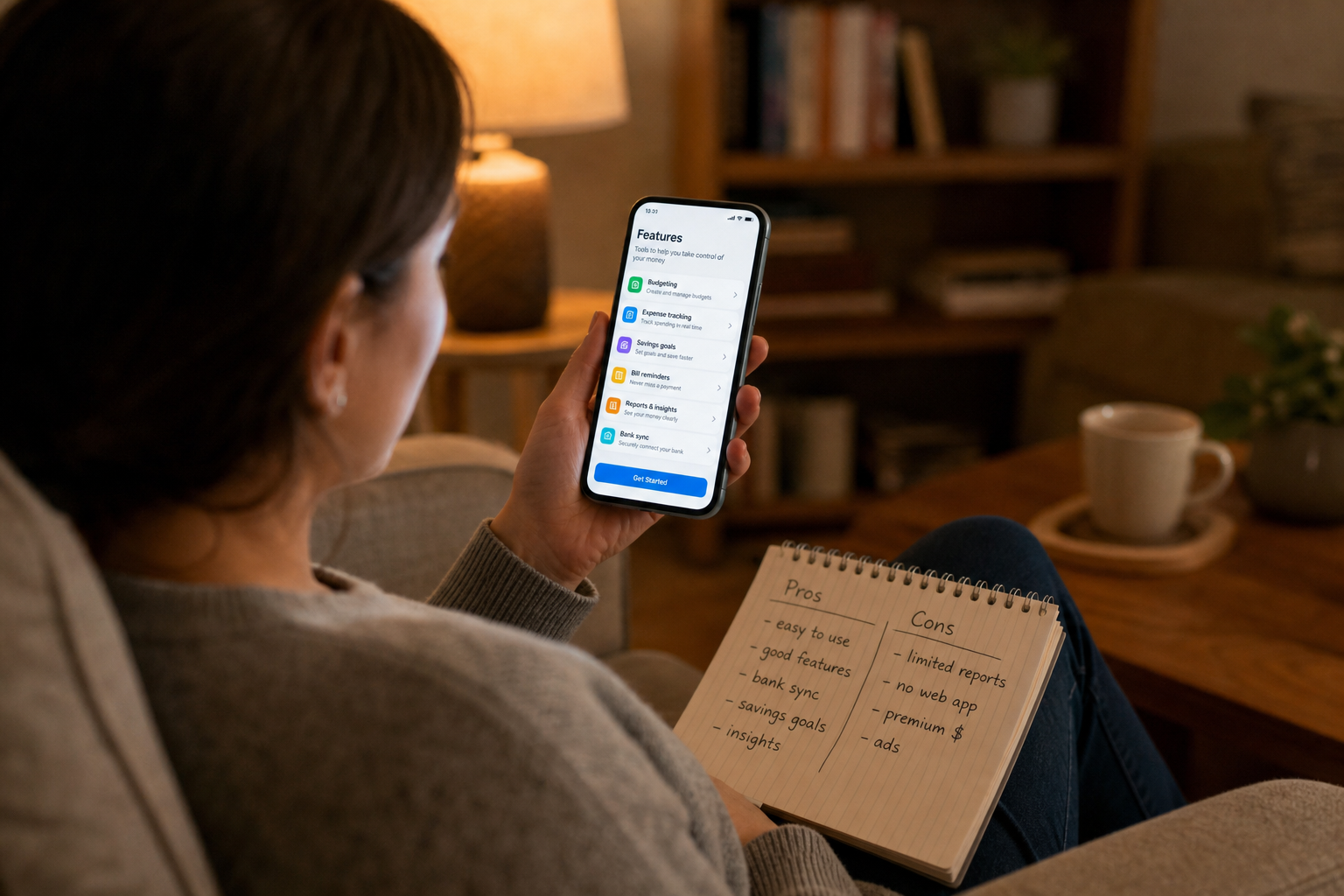
Freelance income doesn’t arrive in neat monthly paychecks, so traditional budgets often fail.
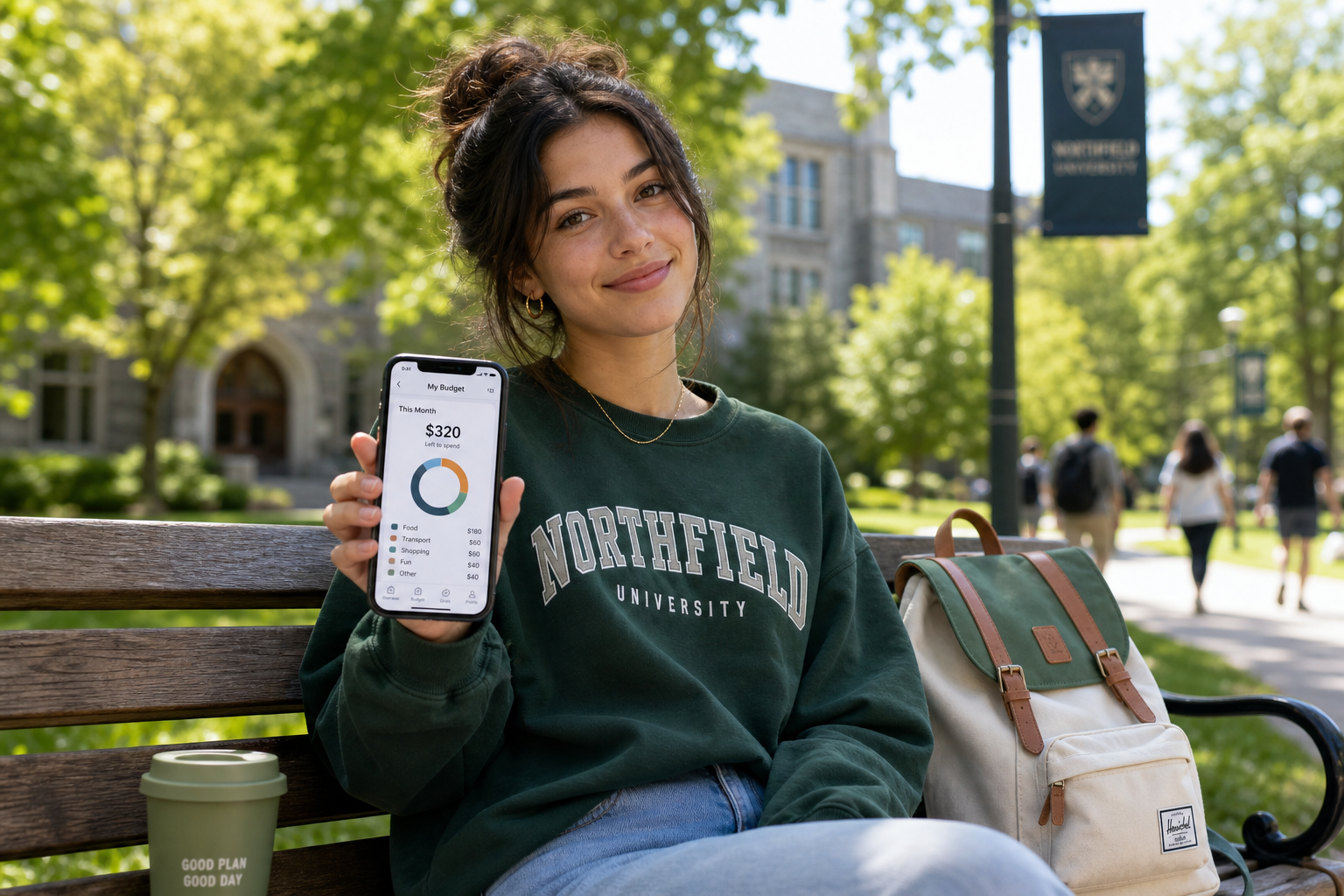
Most debt payoff advice asks you to think in months or years, which can be hard to stick with.
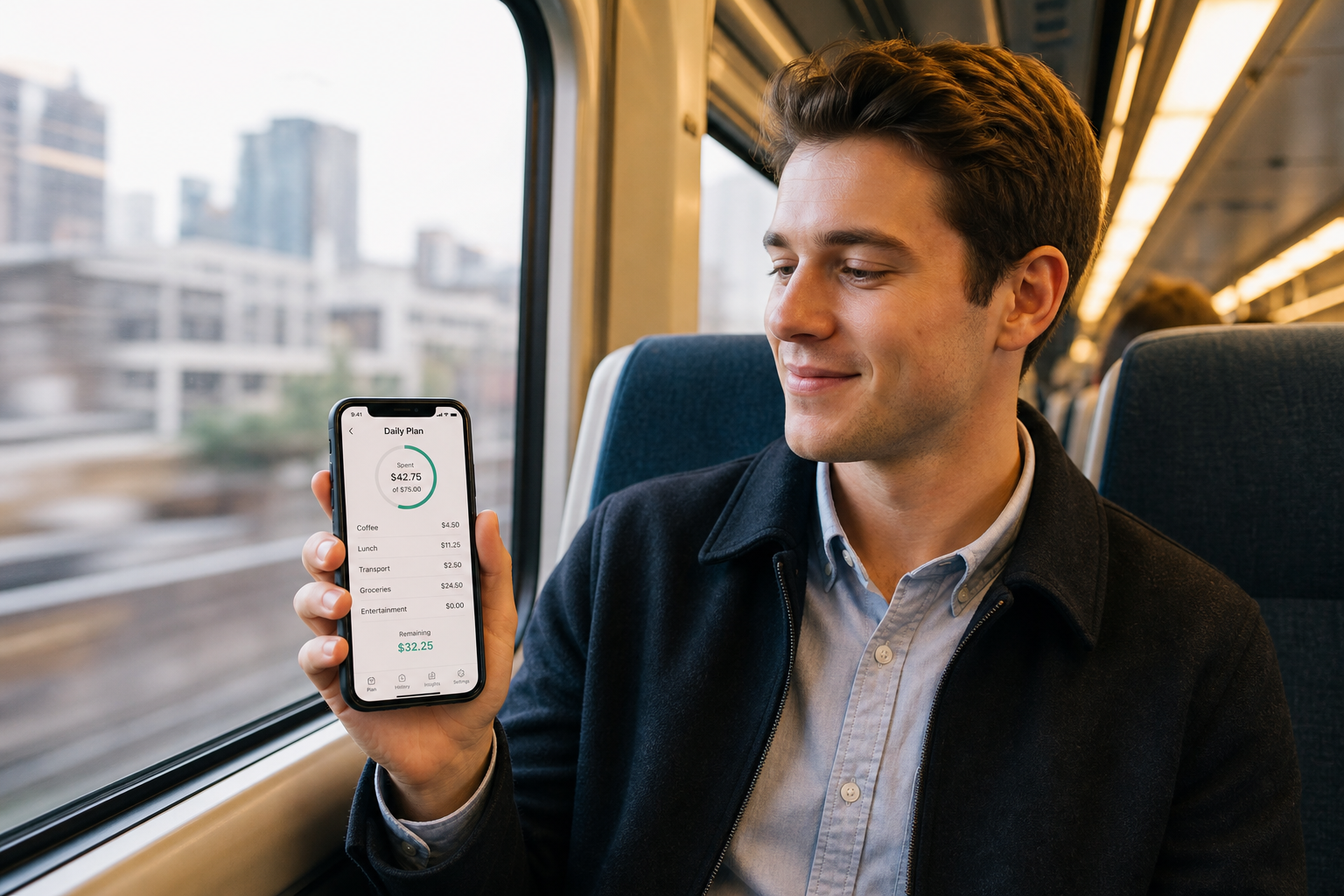
A daily spending cap can be a powerful way to protect your credit card payoff plan from constant small purchases.

Sinking funds spread big known costs into small daily amounts. What they are, how they differ from savings goals, and which reduces stress more.

The best free budgeting apps in the UK for 2026 are the ones that give you a clear picture of your money without demanding hours of admin.

The easiest budgeting apps aren’t always the ones with the most features.
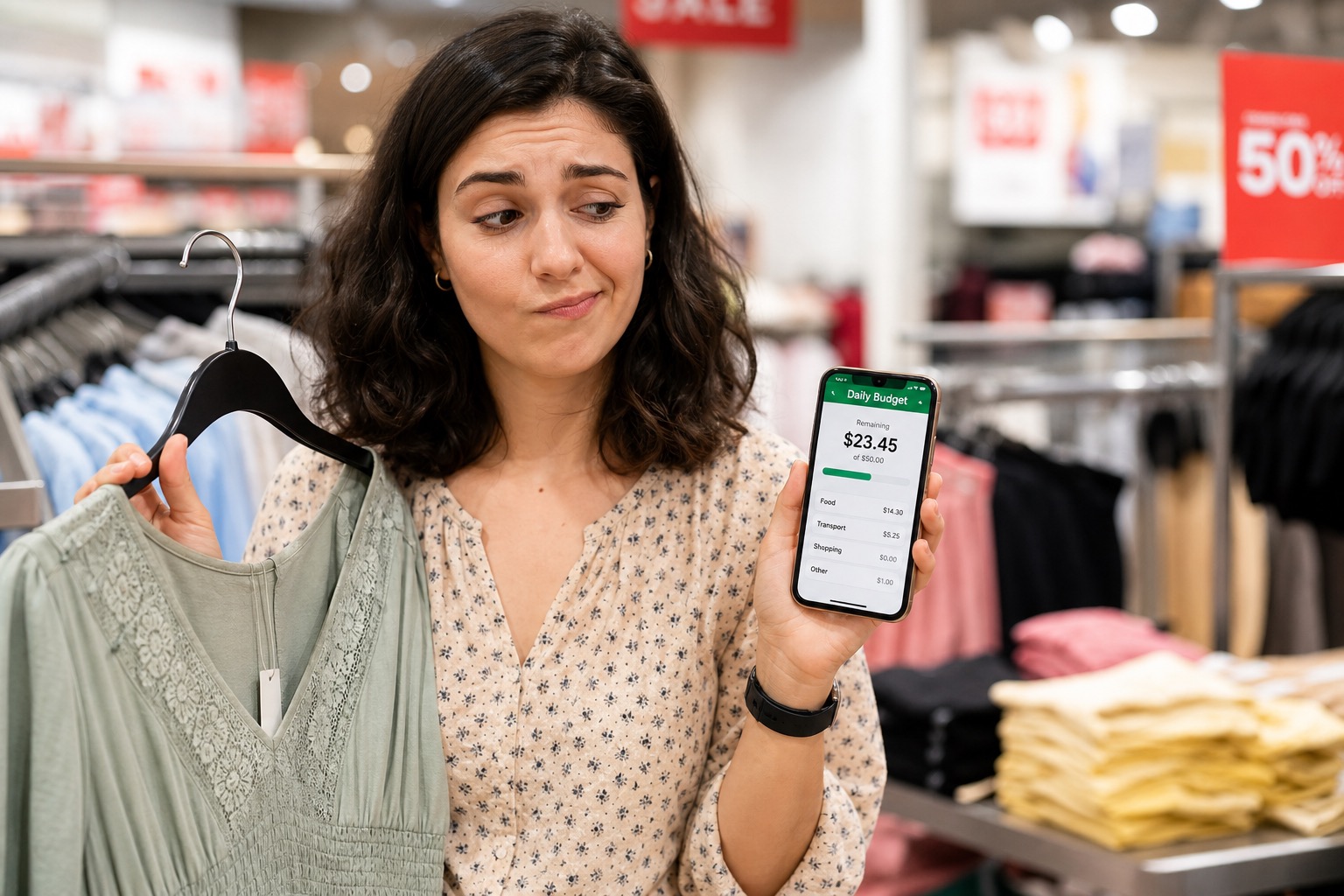
Most Mint alternatives in 2026 focus on powerful dashboards and deep automation.

Budgeting with anxiety or depression works best when you treat it as a series of very small steps, not a single big task.
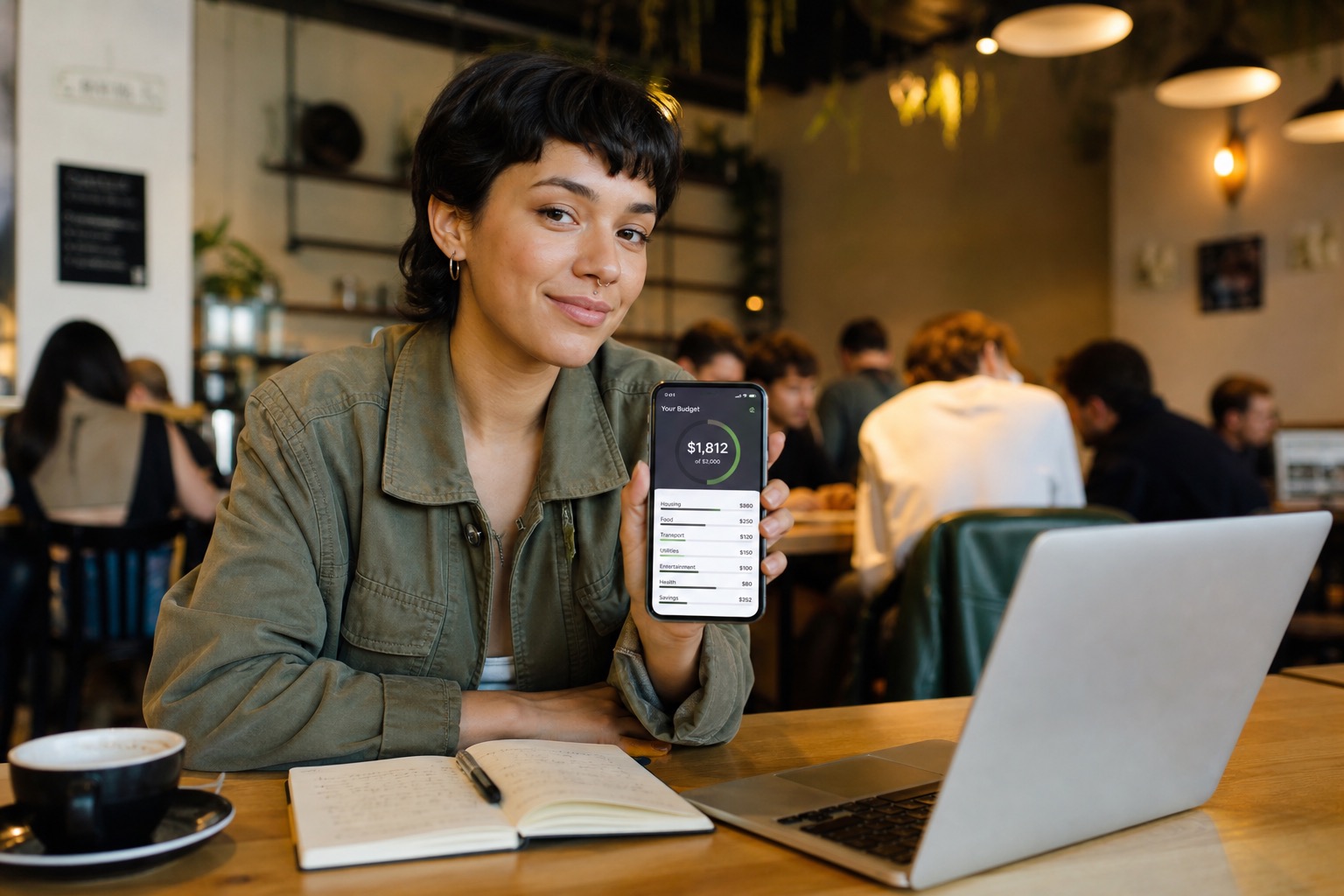
Money worries and poor sleep feed each other in a vicious cycle.
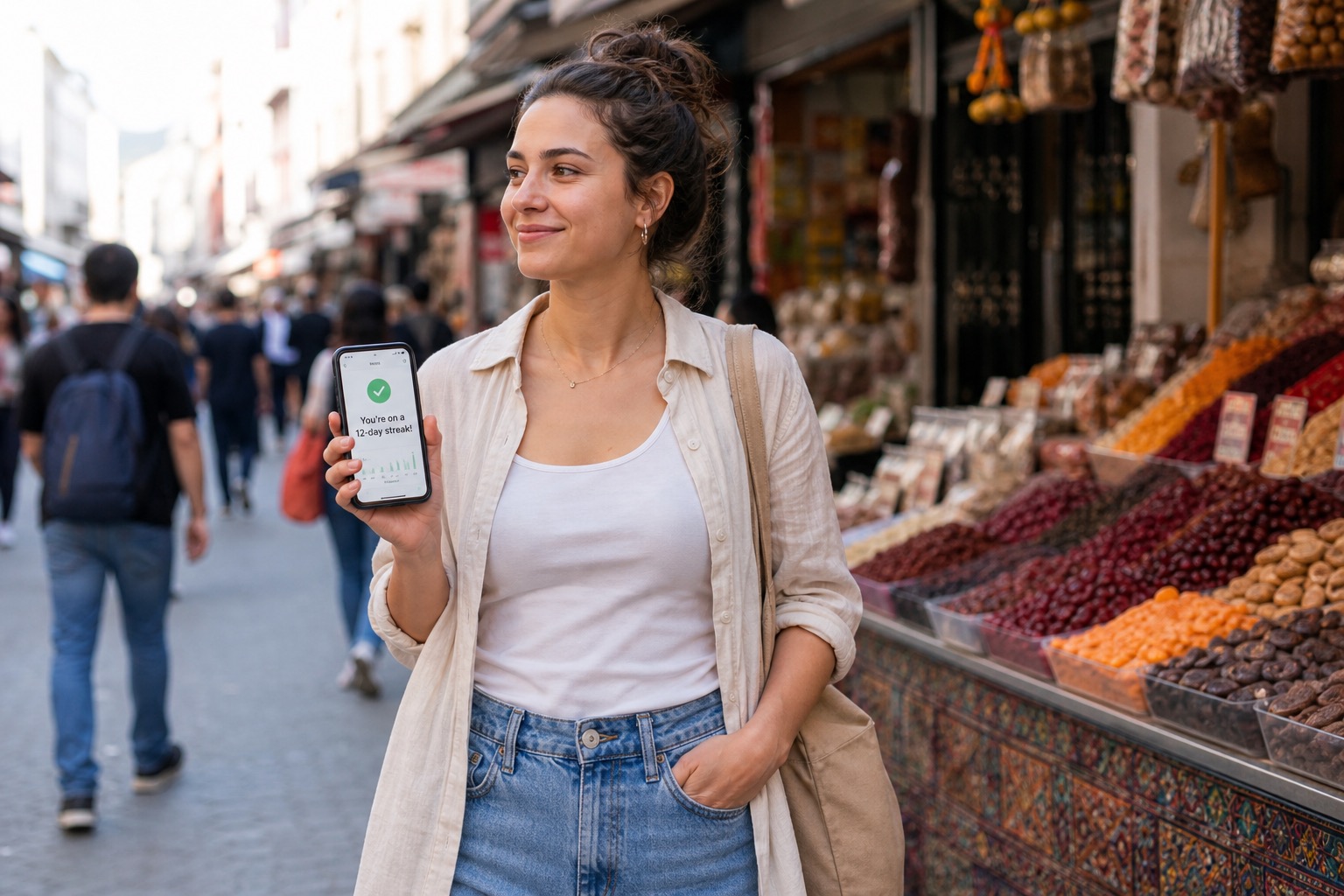
The best cash envelope categories for 2026 are ones you actually spend on regularly and can control day-to-day: groceries, eating out, transport, personal spending and maybe one or two sinking funds for irregular expenses like gifts or car maintenance.

Cash stuffing is everywhere on TikTok, but does it beat daily budgeting? How cash stuffing works, what it costs you, and which method saves more.
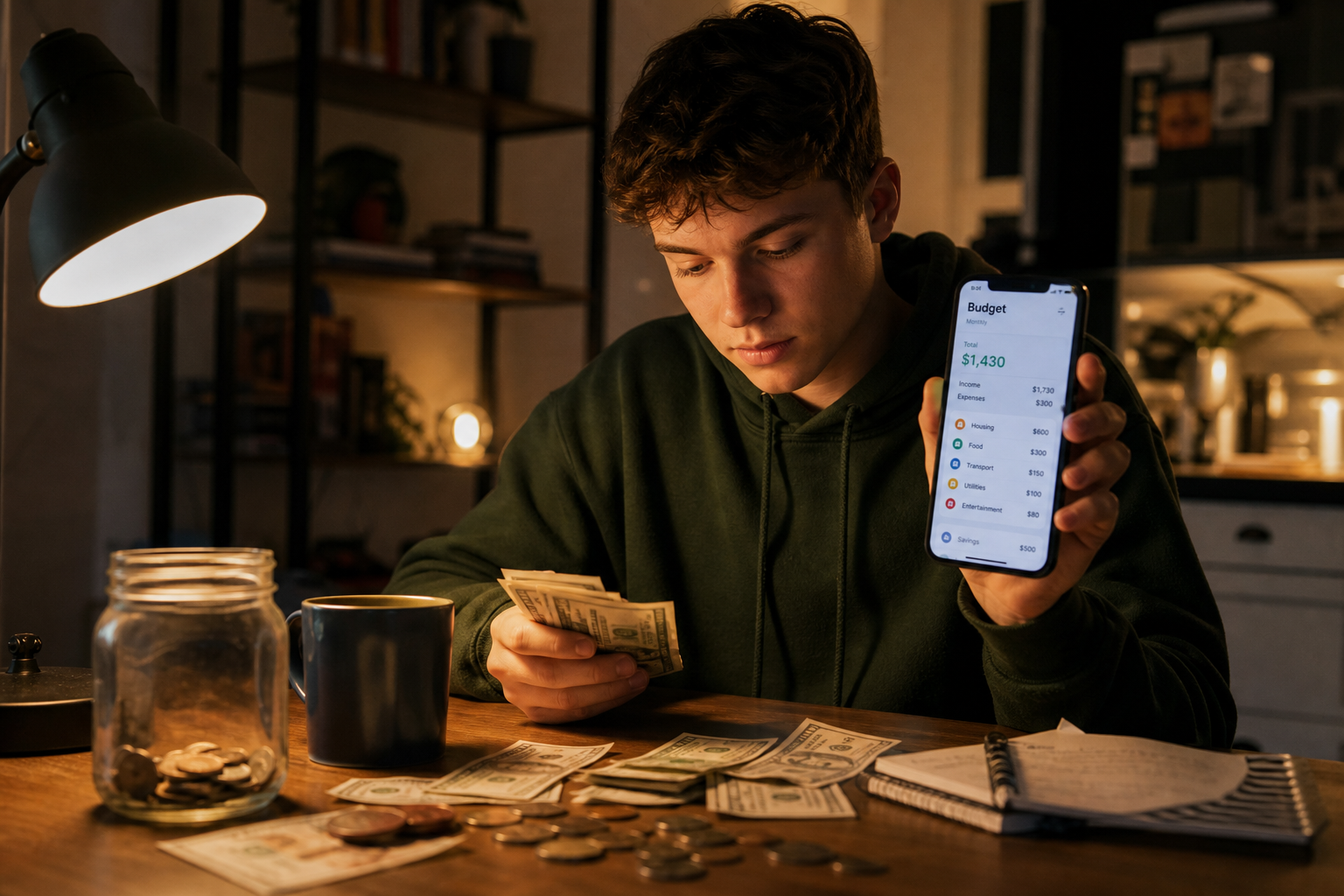
Envelope budgeting apps give you digital cash stuffing without ATM runs. How digital envelopes work and a simpler one-number alternative.

ADHD money management works best with one number, not twenty categories. Here is a daily system built for ADHD brains, plus the app designed around it.
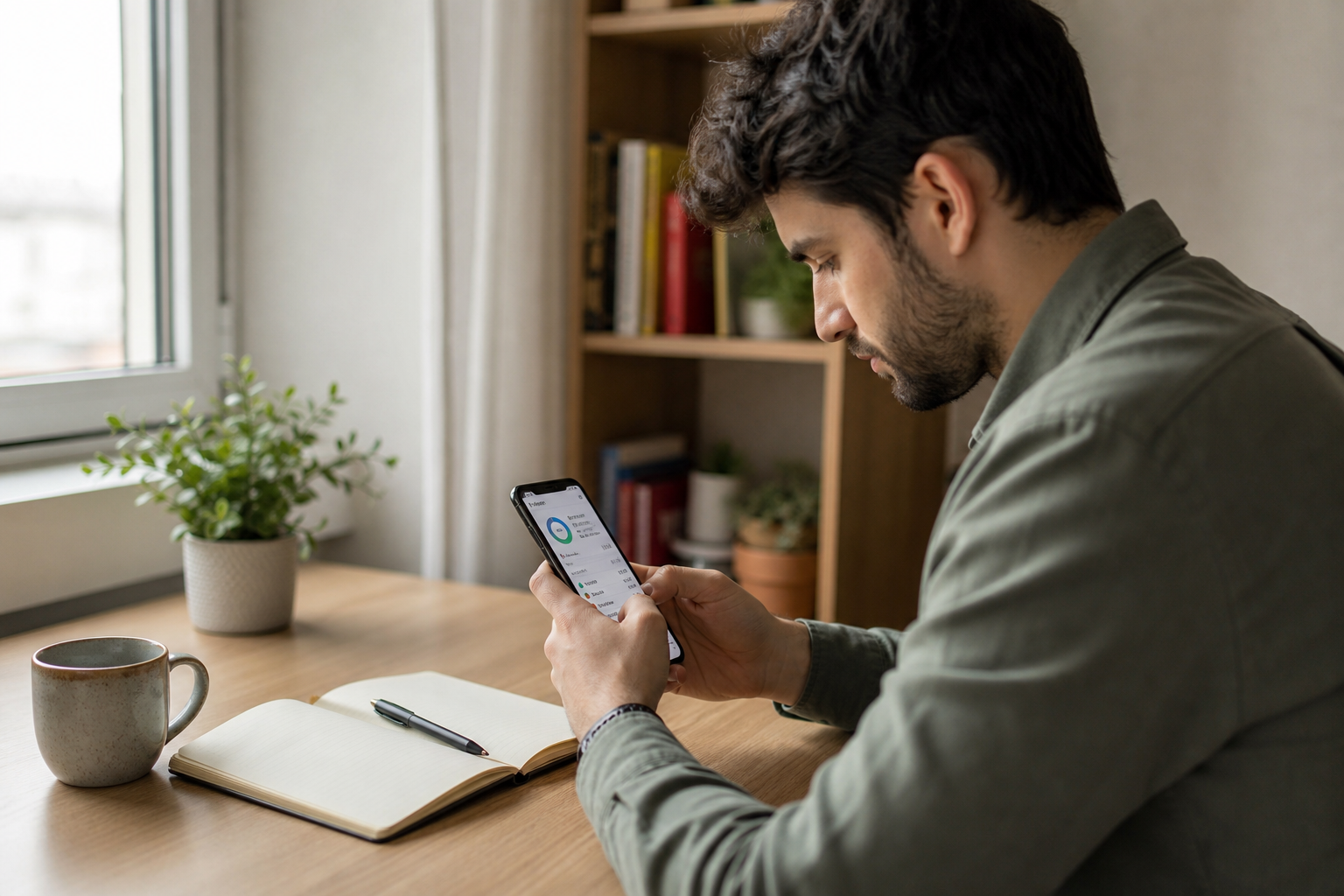
Budgeting with ADHD is easier when the system is tiny. This 5-minute daily spending routine cuts overwhelm and keeps you on track without spreadsheets.
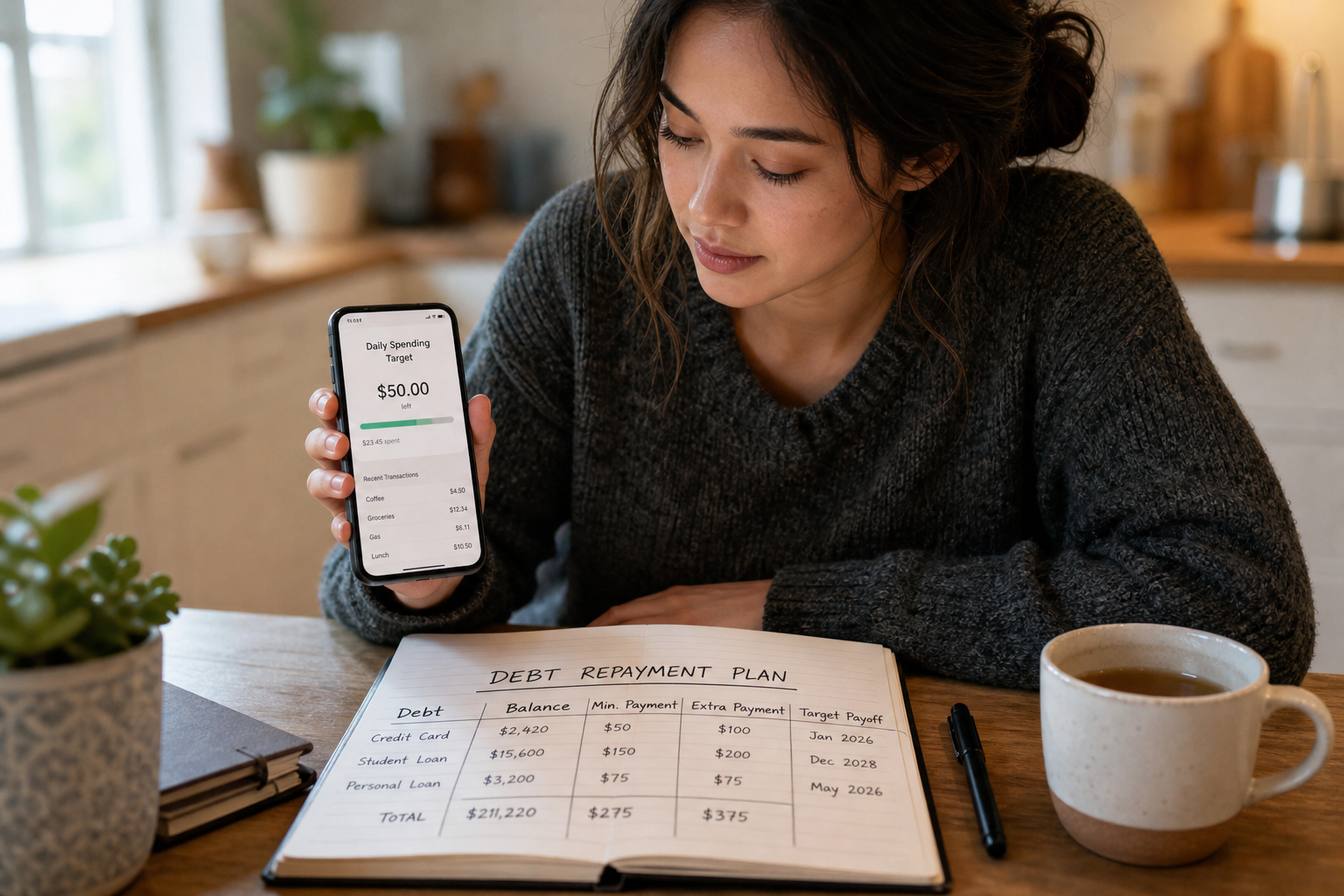
Financial anxiety often comes from uncertainty, not knowing what’s coming in, what’s going out, or whether you’ll be okay by payday.

The best budgeting apps for ADHD in 2026 share three traits: low setup effort, simple visuals, and clear spending limits you can check in seconds. Many popular choices, like YNAB, Snoop and HyperJar, use zero-based budgets or colour-coded “jars” to help ADHD...
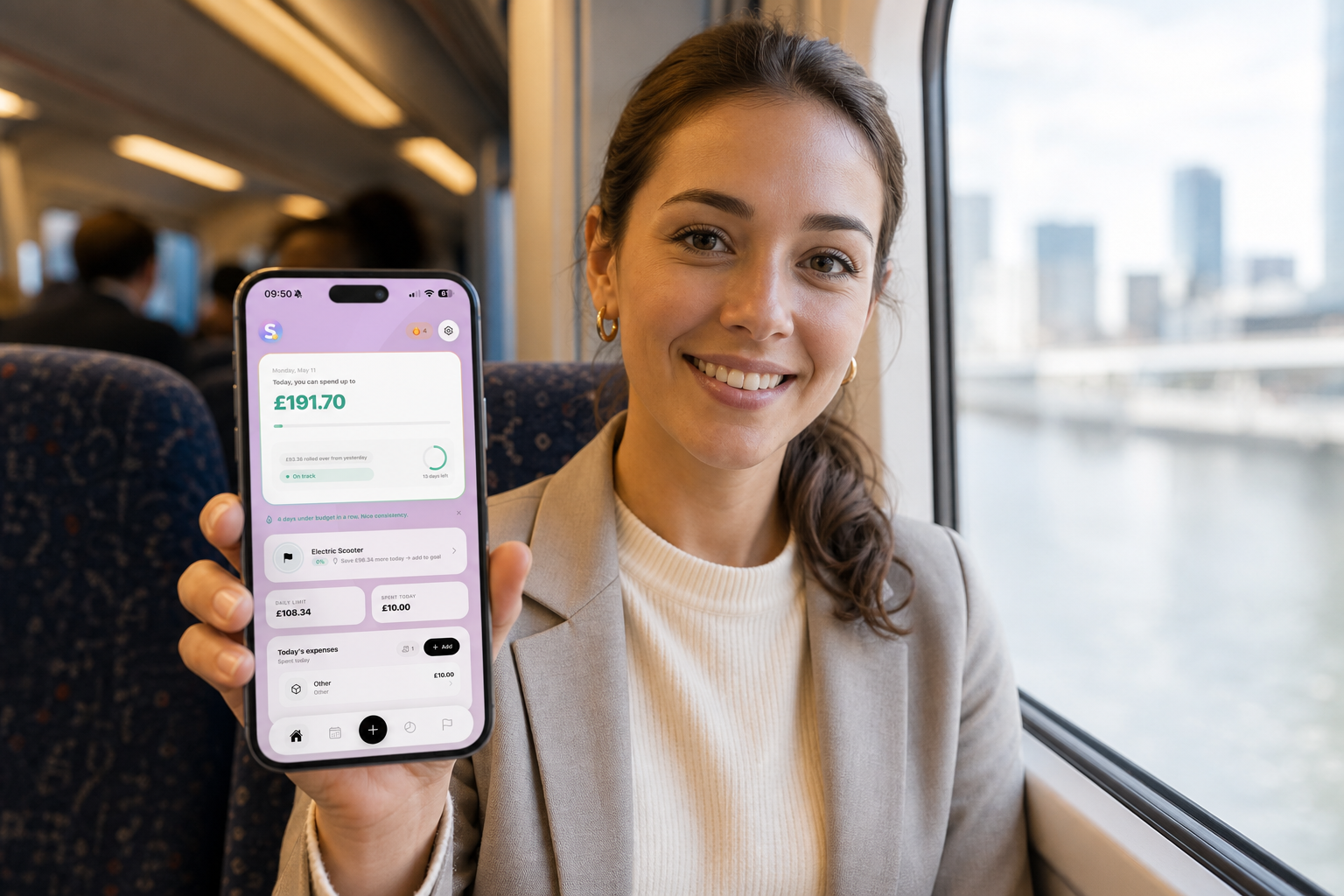
Daily budgeting divides your monthly spending allowance into one clear daily number.

Envelope budgeting and daily budgeting both control spending, in very different ways. Compare the two methods with real examples and a clear verdict.