Moving city in the UK can change your cost of living more than you expect, especially if you’re heading to or from London. A daily budget helps you see what life will actually feel like: you compare typical rents, transport and basics in each city, build a simple monthly budget for the new place, and then turn what’s left into a daily spending allowance. That way, you’re not just asking "Can I afford the rent?", but "What will my everyday life look like after the move?".
Step 1, Compare Core Costs Between Cities
Start with the big three:
- Rent for a one-bedroom flat (city centre and suburbs).
- Transport (monthly passes or typical commuting costs).
- Groceries and utilities.
Recent cost-of-living comparisons show huge gaps between cities. For example, renting a one-bedroom flat in central London can easily be over twice the price of a similar flat in cities like Belfast, Cardiff or Sheffield. Overall monthly living costs for a single person can differ by hundreds of pounds depending on the city.
Use up-to-date cost-of-living tools and city guides to pull rough numbers for your current city and your target city.
Step 2, Build a “New City” Monthly Budget
Using the data you’ve gathered, sketch a basic monthly budget for the new city:
- Start with your expected after-tax income there.
- Insert realistic estimates for:
- Rent and council tax.
- Utilities and internet.
- Transport.
- Groceries and essentials.
- Existing debt payments.
- Add a line for:
- Sinking funds (like annual passes, furniture, moving-related costs).
- Savings and emergency fund contributions.
What’s left is your discretionary pot for going out, clothes, hobbies and everything else.
Step 3, Turn That Pot Into a Daily Allowance
Divide your discretionary pot by the number of days in a typical month.
Example:
- Expected take-home pay: £2,400
- Essentials and savings in new city: £1,800
- Discretionary pot: £600
- Daily allowance: £600 ÷ 30 = £20/day
Compare this to your current city’s daily allowance. Moving might mean:
- Higher rent but a similar or better daily allowance.
- A smaller daily allowance because housing and transport eat more.
This tells you what your actual lifestyle shift will be.
Step 4, Use a “Test Month” Before You Move
Before you sign anything, run a test:
- For one month where you live now, pretend you already have the new city’s budget.
- Set your daily allowance to the new city’s number.
- Try living on that daily amount.
If it feels fine (or even generous), that’s reassuring. If it feels extremely tight, you’ve learned that you may need:
- A higher salary offer.
- A different area or house share.
- A longer runway of savings.
Step 5, Factor in One-Off Moving Costs
Moving doesn’t just change monthly costs, it has one-off expenses:
- Moving company or van hire.
- Initial deposits and first month’s rent.
- Furniture and basic household items.
- New travel passes and registrations.
Treat these as a temporary moving fund separate from your daily budget. Work out the total and divide it by the months before your move to get a monthly saving target.
Where Spendaily Fits When You’re Moving City
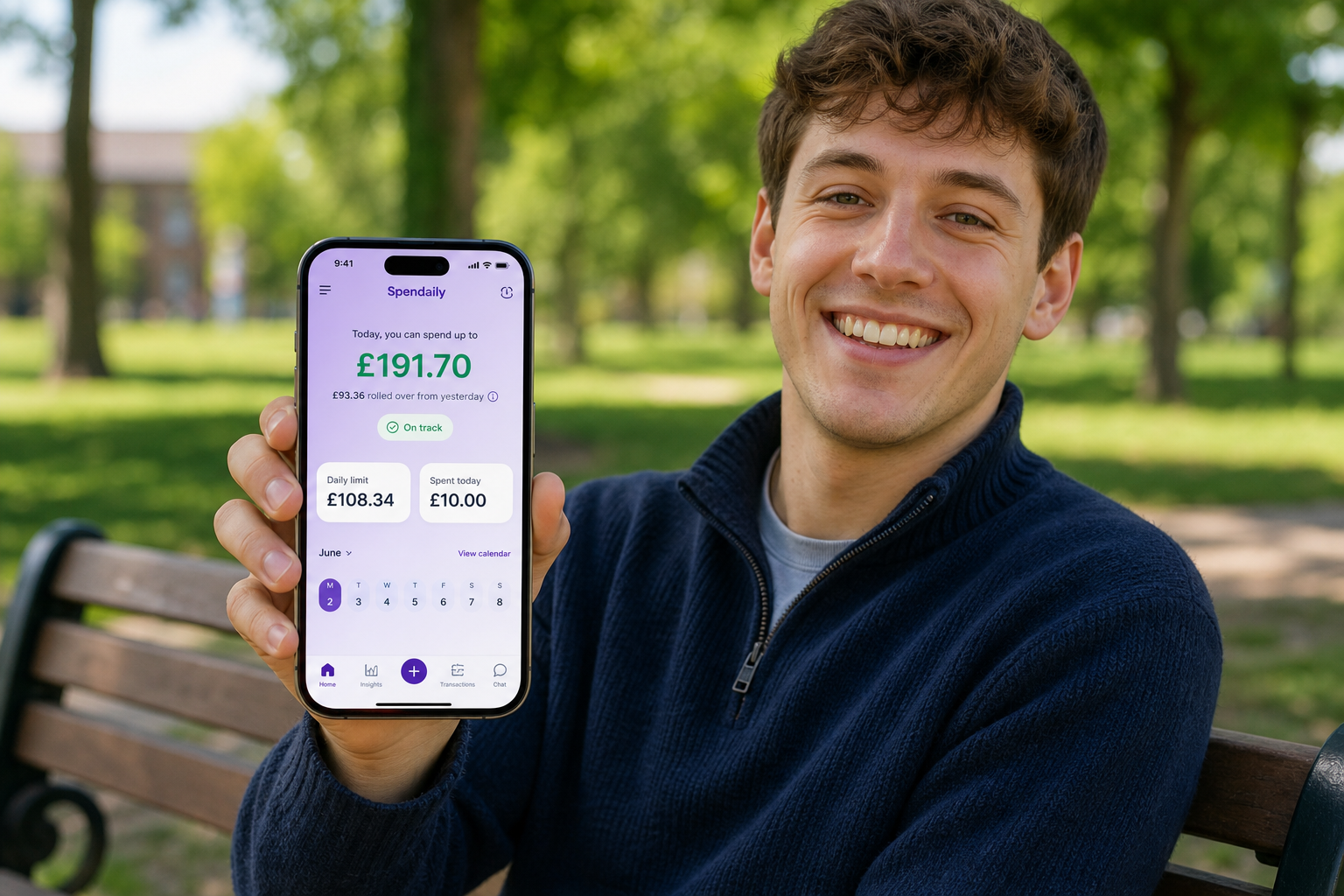
Spendaily can help you:
- Run a “test month” using the new city’s daily allowance.
- Track how your daily life changes once you’ve moved.
- Keep a clear separation between your moving fund and your day-to-day spending.
By turning big cost-of-living questions into one daily number, you reduce the risk of moving somewhere that looks fine on paper but feels stressful in practice.
Keep reading: How to Travel on a Daily Budget, How to Budget for Weddings and Festivals with a Daily Number and Daily Budget Calculator: Find Your Daily Spending Limit.
FAQ
How do I know if I can afford to move to a more expensive city?
Build a realistic new-city budget and test the daily allowance before you move. If you can’t comfortably live on that daily number now, it’s a sign you may need a higher salary, cheaper area or more savings.
Are cost-of-living calculators accurate?
They’re estimates, not guarantees. They’re useful for comparing cities and getting ballpark figures for rent and basics, but you should always cross-check with real listings and local information.
Should I move if my daily allowance will be lower?
A lower daily allowance isn’t automatically bad if the move comes with better opportunities, safety or quality of life. But it’s important to understand the trade-off so you’re not surprised by how tight everyday spending feels.
How much should I save before moving city?
Aim for at least one month of new-city living costs plus your moving fund. More is better, especially if your job situation isn’t guaranteed on arrival.
Can I adjust my daily budget after I move?
Yes. Treat your first few months as a learning period and adjust your daily allowance as you get real data on your new costs, just avoid increasing it every time you have an unexpectedly good month.