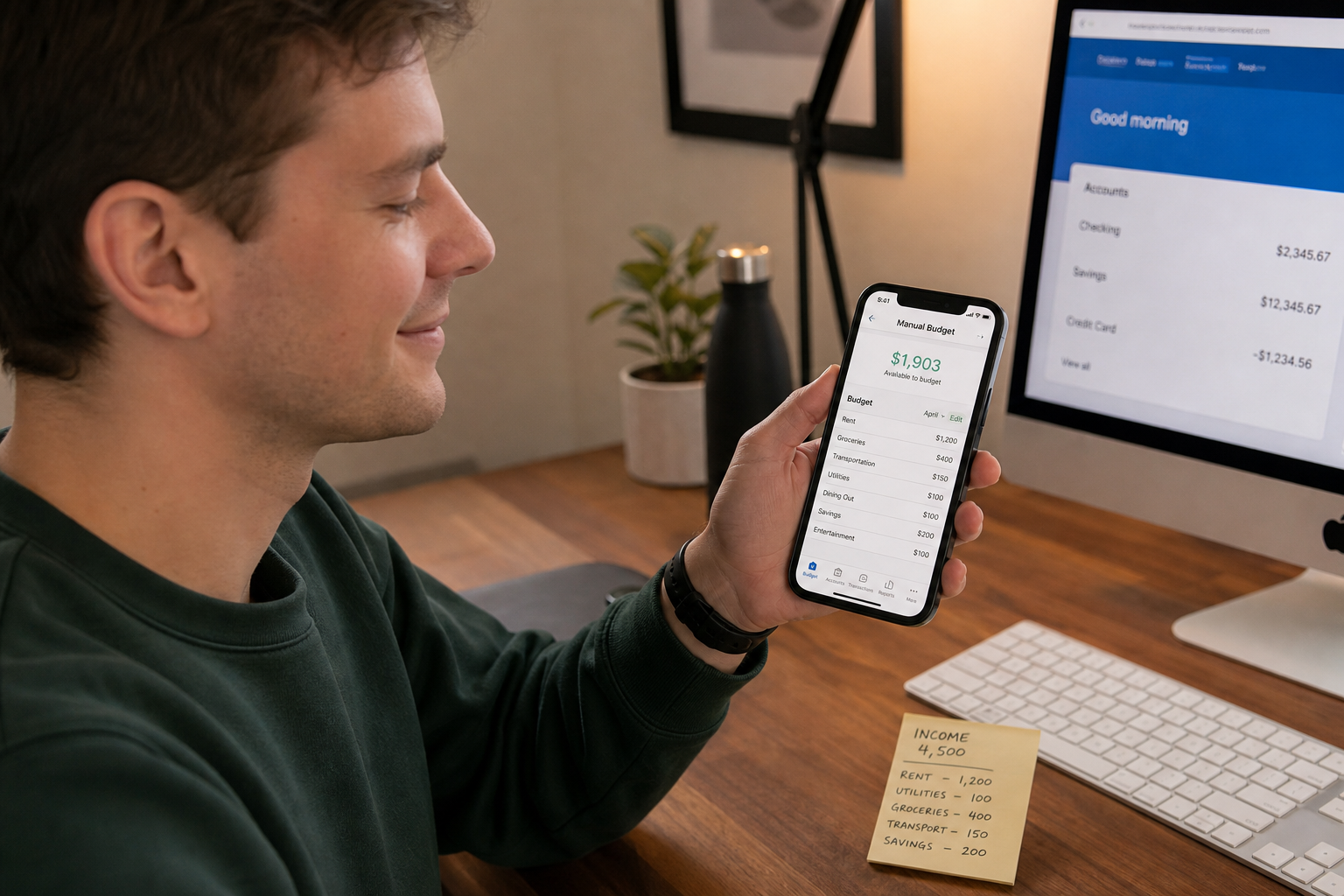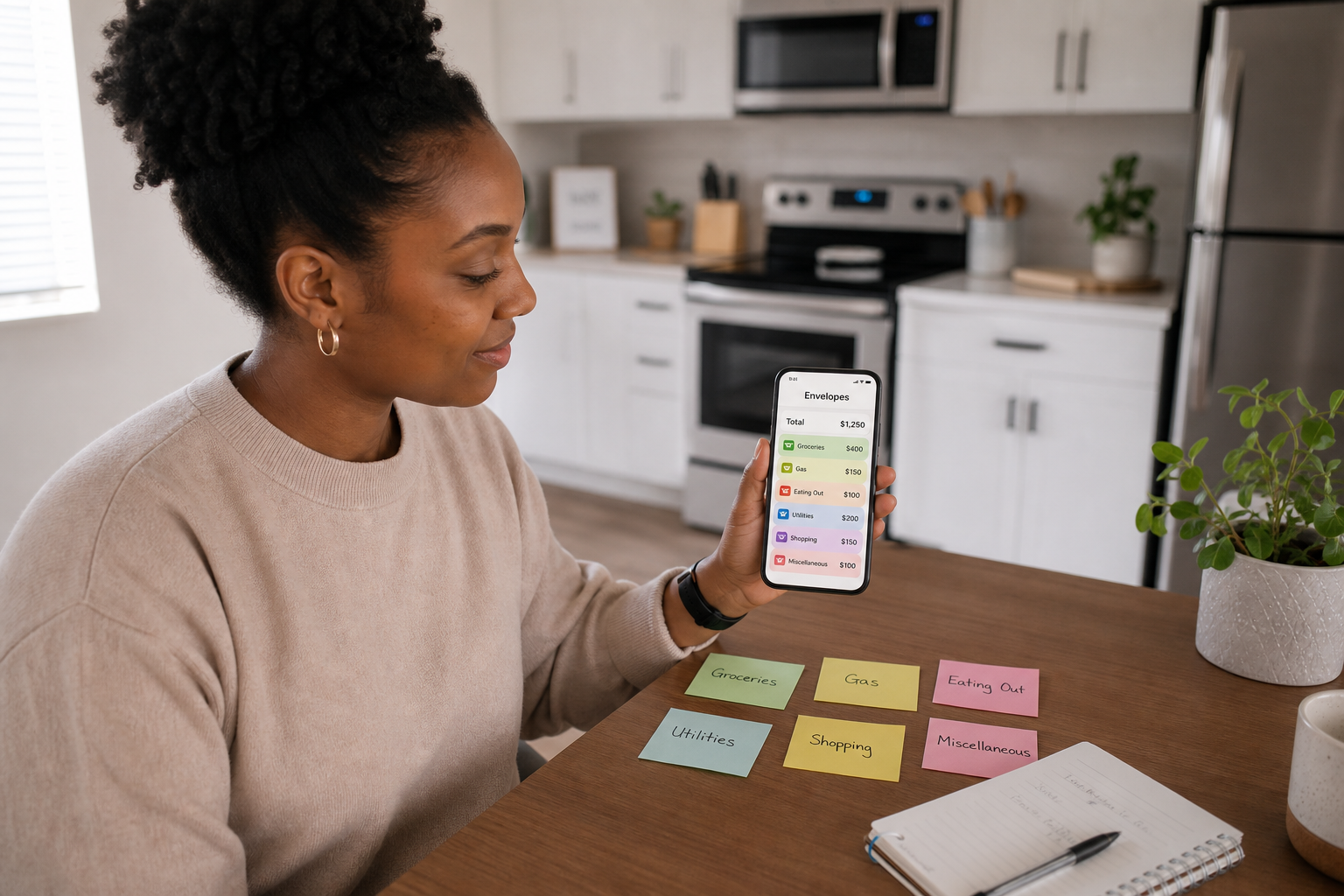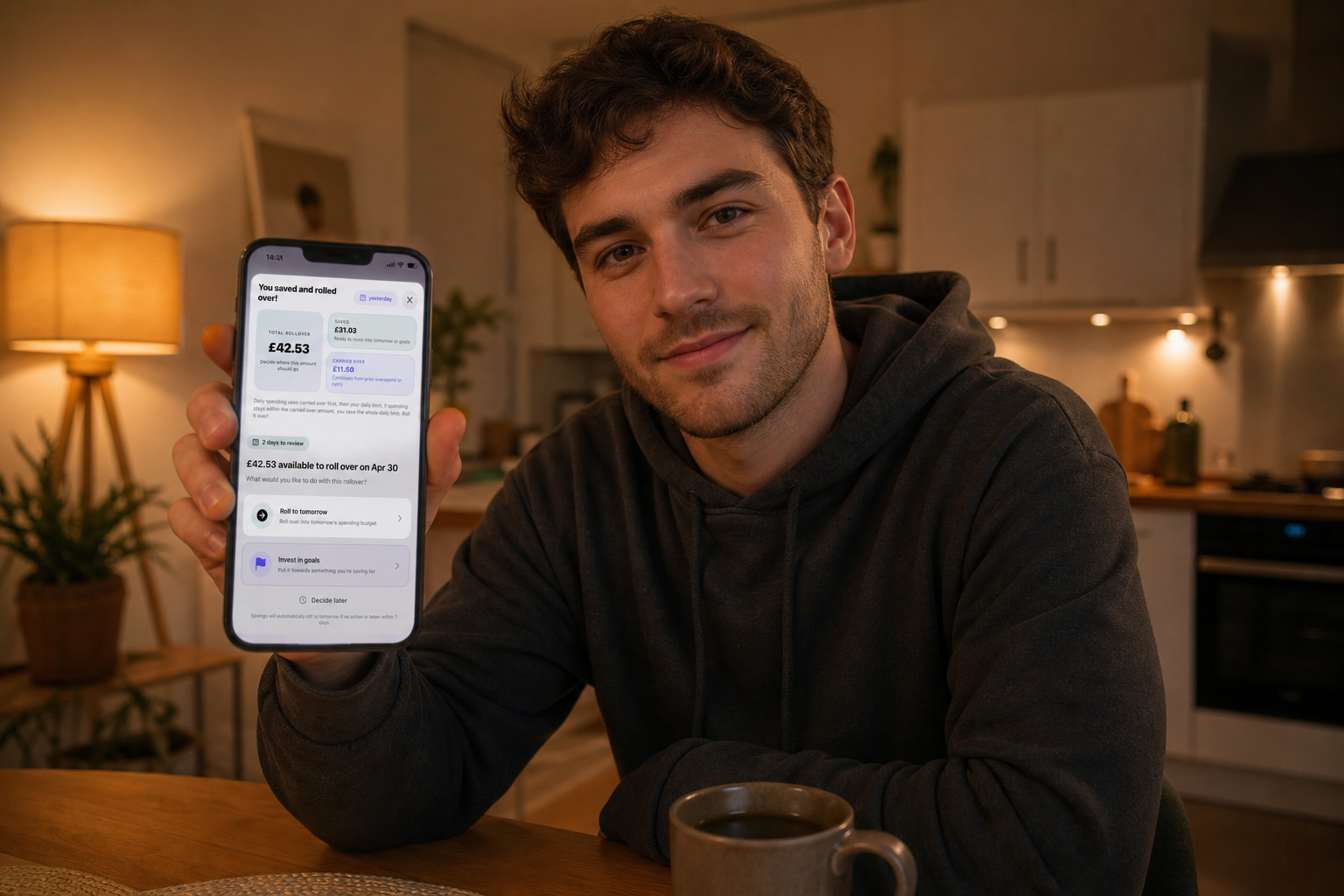
To track your expenses daily without burning out, treat it as a 10-second habit, not a financial review. Log each purchase at the moment you make it, avoid end-of-day catch-up sessions, and use a single daily number as your anchor rather than categories that require interpretation. The method that sticks is always the one that takes the least mental effort per transaction.
👉 Spendaily is built for exactly this. Log a purchase in under 10 seconds. See your daily number update instantly. No categories. No catch-up. Download free on iOS →
Why Expense Tracking Fails (and It Is Not Your Fault)
Most expense tracking systems are designed by people who enjoy managing spreadsheets. They recommend daily categories, weekly totals, monthly comparisons, and trend graphs. The setup takes an hour. The maintenance takes willpower. The guilt when you miss a day is enough to make you abandon it entirely.
This is not a personal failure. It is a design problem.
The systems most people try to adopt have too much friction per transaction. The more steps between "I just spent £4.50" and "it's logged," the faster the habit dies.
The fix is not more discipline. It is less friction.
The Two Mistakes That Cause Tracking Burnout
Mistake 1: End-of-day catch-up sessions
Trying to reconstruct everything you spent at 10pm is the fastest route to abandoning daily tracking. You cannot remember everything. You estimate. The estimates feel wrong. The exercise becomes frustrating rather than useful.
The solution is point-of-purchase logging: enter the amount the moment you spend it. Same context, zero recall effort.
Mistake 2: Category overload
Most budgeting apps want you to categorise every transaction: Food, Transport, Entertainment, Personal Care, Dining Out, Groceries, Subscriptions. Every purchase becomes a classification decision. Every miscategorised item creates friction.
For the purposes of daily spending awareness, categories are largely unnecessary. The question "did I stay within my daily number?" does not require a category breakdown to answer. One number, compared to one allowance, is enough.
→ Why one number beats categories: Daily Budgeting, The Complete Guide
The 2-Minute Daily Tracking System
This system has three components. Total daily time: 2 minutes.
Component 1, The Morning Check (10 Seconds)
Before you leave home, open your budget app and see today's daily allowance. That is it. Nothing to enter, nothing to calculate, just a number to hold in your mind.
This 10-second moment sets your spending anchor for the day. Research in financial behaviour consistently shows that people who know their daily limit before spending make better decisions at the point of purchase than those who check their balance reactively.
Component 2, Point-of-Purchase Logging (10 Seconds per Transaction)
Every time you spend anything discretionary, coffee, lunch, transport top-up, snack, anything, open your app and enter the amount before you walk away from the transaction.
No category. No note. Just the number.
In Spendaily, this is a single tap and a number entry. The daily allowance updates in real time. You can see immediately whether you are on track, above, or below, without doing any mental arithmetic.
Why this works:
- Zero recall effort, you are logging what is in front of you
- Real-time feedback, you see the effect of each purchase immediately
- No guilt loop, you are not reviewing a bad week, you are managing the current moment
Component 3, The Evening Check-In (60-90 Seconds)
At a consistent time each evening, after dinner, before bed, whenever you naturally reach for your phone, spend 90 seconds on two things:
- Confirm all spending is logged. Quickly scan the day. Did you pay for anything you have not entered? Add it now.
- See tomorrow's starting number. With rollover, underspending today increases tomorrow's allowance. This is your daily reward. Seeing it go up reinforces the habit better than any external motivation.
If you overspent today, tomorrow's number is lower, but you know exactly why and by how much. There is no surprise. No guilt spiral. Just a smaller number to work with tomorrow.
Habit Stacking: How to Make This Effortless
The fastest way to build any new habit is to attach it to an existing one. This is called habit stacking: pairing the new behaviour with something you already do automatically.
For the morning check:
- After: turning off your alarm
- After: making your first coffee
- After: opening any social media app (use that reflex)
For point-of-purchase logging:
- After: tapping your card or phone to pay
- After: receiving your receipt
- Before: picking up your bag to leave
For the evening check-in:
- After: finishing dinner
- After: sitting down on the sofa
- Before: putting your phone on charge
Pick one anchor for each component. The habit becomes automatic within 2-3 weeks because it is always preceded by the same trigger.
What to Do When You Miss a Day
Missing a day of tracking does not break the system. Here is how to handle it without abandoning the habit:
Miss one day: Add a rough estimate for the missing day and move on. It does not need to be exact, an approximate total is more useful than a gap.
Miss 3+ days: Ignore the missing period. Open your bank statement, find your balance as of now, and recalculate your daily allowance from today to the end of the pay cycle. Restart from a clean position.
Miss a week: Reset at the next payday. Start fresh with an accurate income and fixed cost calculation. Your previous history is not required for the new cycle to work.
The critical insight: a gap in tracking history does not invalidate the system going forward. Daily budgeting is not a cumulative exercise that requires a complete record, it is a current-position tool. You only need to know where you are now and how many days remain.
Choosing the Right Tracking Method for Your Personality
| Personality type | Best tracking method | Why |
|---|---|---|
| Forgets easily, hates admin | Point-of-purchase app logging | Zero recall, instant feedback |
| Likes control, detail-oriented | Daily logging + weekly review | Full picture, category depth |
| Irregular spender, lumpy income | Daily number + rollover | Handles variability automatically |
| Hates any financial friction | Morning check only + app auto-calculation | Minimum viable awareness |
| Prefers analogue | Pocket notebook + daily total | No phone dependency |
For most people fitting the Spendaily target profile (young adults, impulse spenders, people who want simplicity), the point-of-purchase + morning check combination is the most sustainable system. It requires no end-of-day session, no categories, and no catch-up.
How Daily Tracking Compounds Over Time
Week 1: You are still building the habit. Some transactions get missed. The daily number is approximate.
Week 2: The habit begins to automate. You reach for your app at the till before you think about it.
Week 3: You start noticing patterns. The lunchtime purchase that always feels small but appears in your log every day. The convenience store habit. The Deliveroo weekend spend.
Week 4: You make one or two small adjustments based on what you have seen. Not restrictions, just decisions. You choose the cheaper lunch twice. You skip the coffee once. The daily number ends higher than it started.
This is the compounding effect of daily tracking: not dramatic change, but a gradual sharpening of financial awareness that accumulates into meaningful savings over months.
→ The daily spending habits that work alongside tracking: Daily Spending Habits Guide
FAQ
How do I track my spending every day without getting overwhelmed? Log each purchase at the moment you make it, before you walk away from the transaction. This takes 10 seconds and requires zero recall effort. Avoid end-of-day catch-up sessions, which require memory and create guilt when incomplete.
What is the easiest way to track daily expenses? The easiest method is a daily-budget app that uses a single daily number rather than categories. Open the app after every purchase, enter the amount, and watch your daily allowance update. No categories, no interpretation, no end-of-day admin.
How do I build a daily expense tracking habit? Attach the tracking action to an existing habit: log your purchase immediately after tapping your card to pay. In the evening, check your app before putting your phone on charge. These two anchors, payment and charging, are consistent daily triggers that make the habit automatic within 2-3 weeks.
Is it better to track expenses daily or weekly? Daily tracking produces significantly better results for discretionary spending control. Weekly tracking requires reconstructing 7 days of purchases from memory, which is inaccurate and creates a retrospective guilt exercise rather than real-time awareness. Daily logging at the point of purchase is both more accurate and more useful.
What app makes daily expense tracking easiest? Spendaily is designed specifically for low-friction daily tracking. You log each purchase in under 10 seconds, your daily allowance updates in real time, and rollover handles the day-to-day flexibility automatically. No categories, no bank connection, no configuration required beyond your income and fixed costs.
What should I do if I miss a few days of tracking? Do not try to reconstruct missing days from memory. Check your current bank balance, calculate your remaining discretionary budget for the month, and restart tracking from today. A gap does not invalidate the system, daily budgeting only requires your current position, not a complete history.