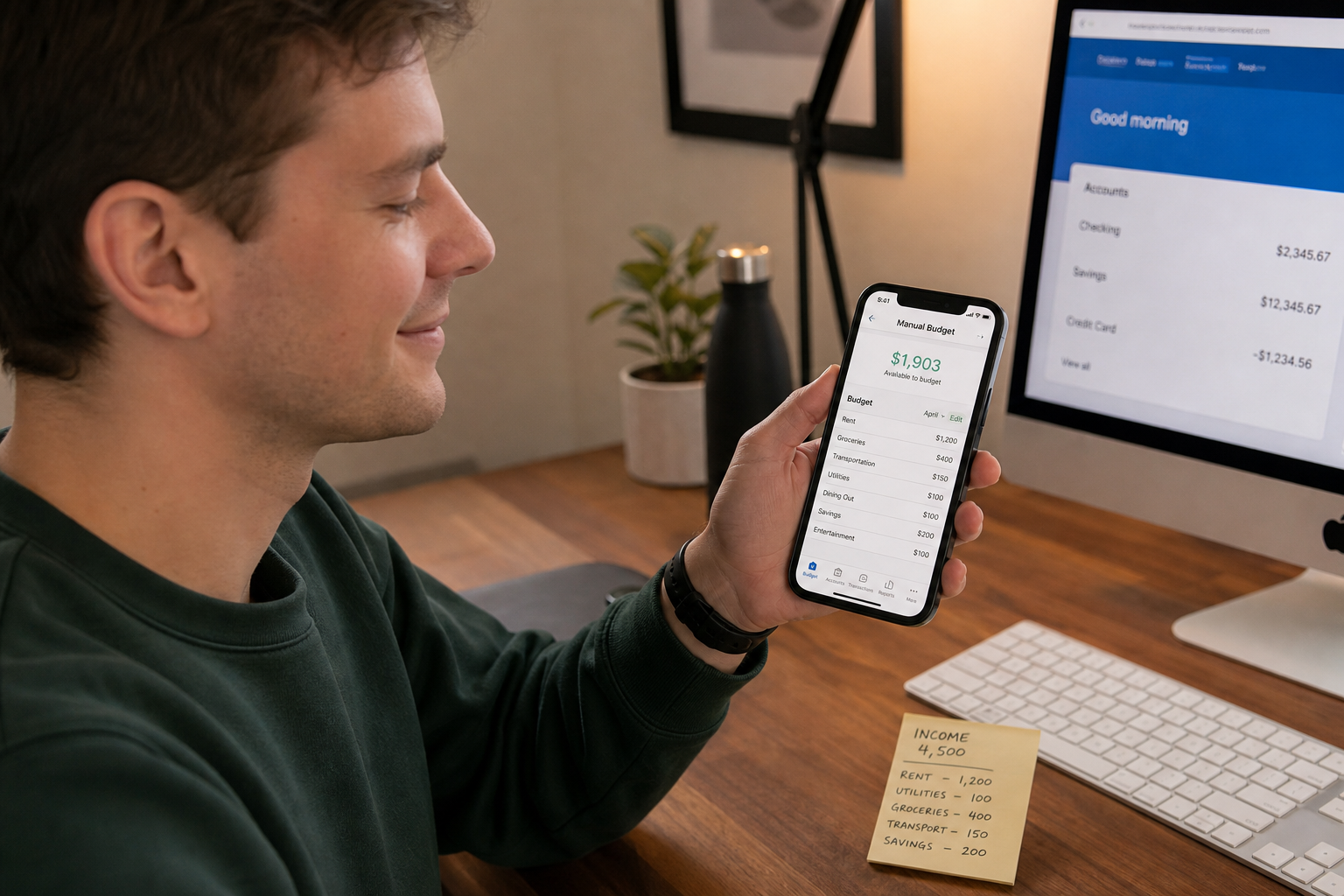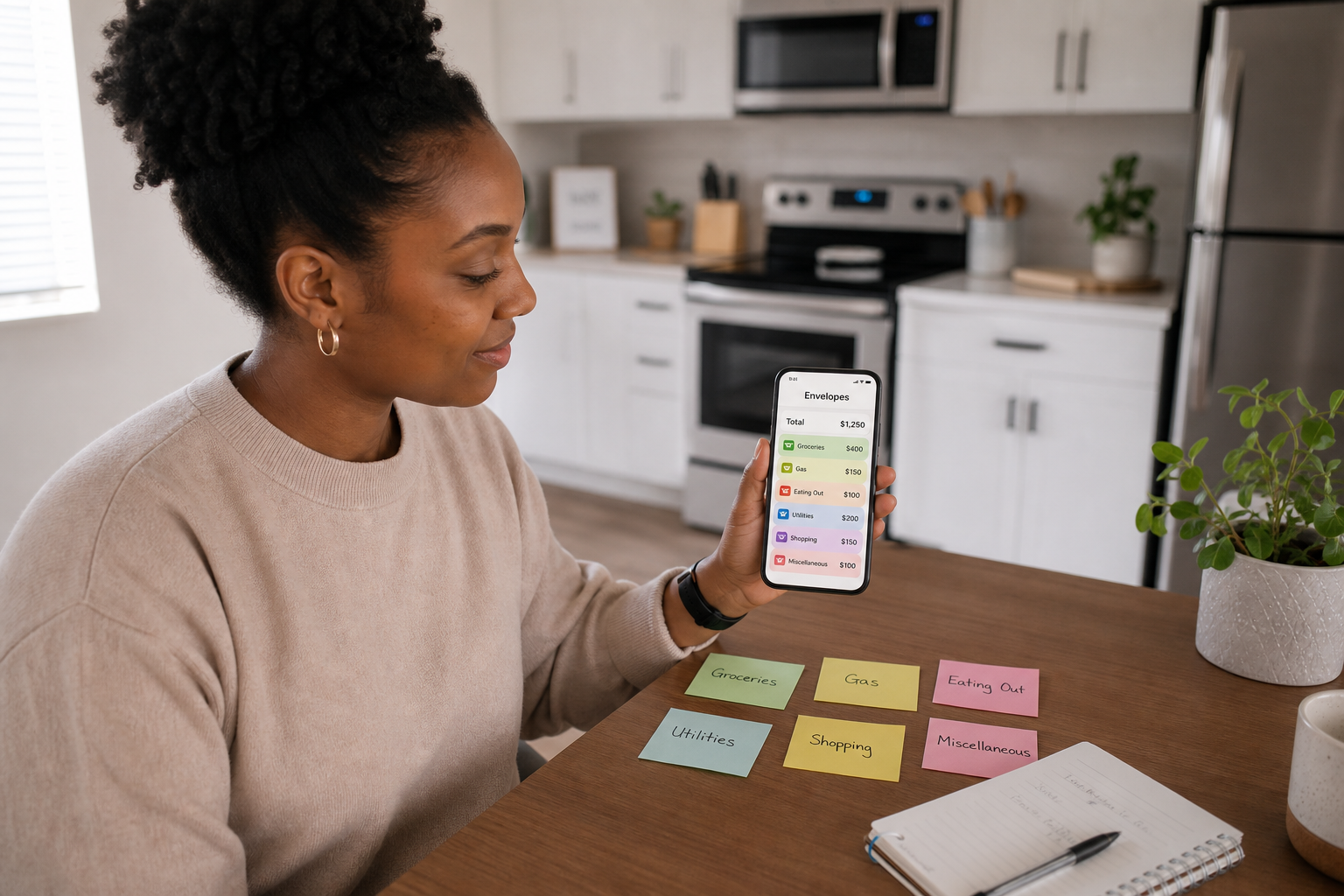
The best micro-savings ideas are not about saving large amounts occasionally, they are about generating small daily surpluses consistently. Each of the 10 ideas below creates between £1 and £5 of daily budget surplus, which feeds directly into your rollover allowance and named savings goals. Together, three or four of these habits consistently applied can fund a £200-£400 goal within 60-90 days without any noticeable lifestyle change.
👉 Spendaily turns daily surplus into named goals automatically. Download free on iOS →
Why Daily Surplus Beats Monthly Saving
Traditional savings advice focuses on monthly transfers, "save 10% of your income at the start of each month." For most young adults in 2026, this requires surplus income that simply does not exist after rent and essential costs.
Micro-savings works differently. Instead of setting aside income before spending, it harvests the natural daily surplus that occurs when you spend less than your daily allowance. On days you spend £18 against a £25 allowance, there is £7 of surplus. Direct it somewhere and it becomes progress. Leave it untracked and it evaporates.
The key is generating surplus consistently, even £2-3/day, and naming where it goes. A named goal receives daily contributions; an unnamed surplus disappears into a general balance.
Here are 10 ideas that generate daily surplus without requiring discipline or sacrifice.
10 Micro-Savings Ideas: Daily Surplus and Monthly Totals
Idea 1, Batch Cook One Meal Twice a Week
Daily surplus generated: £3-£5 · Monthly total: £60-£100
A bought lunch in the UK averages £7-£9 (meal deal or café). A home-prepared equivalent costs £1.50-£2.50 in ingredients. Twice a week, that gap is £5-£7 per meal.
The time investment is about 20 minutes of preparation one evening. The saving does not require buying cheaper food, it requires the same ingredients prepared at home rather than assembled somewhere else.
How to start: On Sunday evening, prepare two lunches for the week (pasta salad, grain bowls, wraps). The Friday surplus is visible in your daily allowance by Tuesday.
Idea 2, Audit and Cancel One Subscription
Daily surplus generated: £0.50-£3 · Monthly total: £15-£90 (one-off, then ongoing)
The average UK adult has 11 active subscriptions at a combined monthly cost of around £89. Research consistently shows that 2-3 of these subscriptions are used rarely or not at all.
A one-time 10-minute audit, checking your bank statement for all recurring payments, typically uncovers £15-£40/month in unused subscriptions. Cancelling one generates immediate ongoing daily surplus.
The daily effect: A cancelled £15.99/month subscription saves £0.53/day, every day, indefinitely. A cancelled £39.99/month subscription saves £1.33/day. Both flow straight into your daily rollover.
How to start: Open your last bank statement. Highlight every recurring payment. Check each one, when did you last use it?
Idea 3, Walk or Cycle One Journey Per Day
Daily surplus generated: £1.50-£4 · Monthly total: £30-£80
Single-journey transport costs, a bus, a taxi, an Uber, are the most frequent discretionary transport expense for most people. A single avoided Uber or taxi saves £5-£12 depending on distance. A walked journey instead of a bus saves £1.50-£2.80.
The average person in a UK city makes 1-2 non-essential single-journey transport decisions per day. Substituting one per day generates meaningful daily surplus.
The secondary benefit: Walking or cycling a commute replaces gym time or exercise sessions that might cost £4-£8 separately.
Idea 4, Delay Online Purchases by One Week
Daily surplus generated: £2-£7 (averaged) · Monthly total: £60-£210 (estimated)
Online impulse purchases account for a significant share of discretionary overspending. The friction-free nature of one-click purchasing removes the natural pause that would occur in a physical shop.
A one-week delay rule, adding items to a cart or note rather than completing the purchase immediately, results in between 40% and 70% of impulse purchases never being completed. The items are simply not wanted once the immediate impulse has passed.
The saving is not daily, it is per-impulse. But for an average person making 2-3 online impulse purchases per week of £10-£30 each, the monthly surplus is substantial.
How to start: Remove the one-click purchase setting from your most-used retailers. Add items to a dedicated "want to buy" note with date and price. Review after 7 days.
Idea 5, Switch One Weekly Takeaway for a Home Version
Daily surplus generated: £2-£4 (averaged across week) · Monthly total: £40-£80
The average UK takeaway order costs £14-£22 (JustEat/Deliveroo, including delivery fee and service charge). A home-cooked version of the same meal (stir fry, curry, burger) costs £3-£5 in ingredients.
One substitution per week generates £10-£18/week of surplus, averaged over 7 days, that is roughly £1.50-£2.57/day flowing into your rollover.
How to start: The night before your usual takeaway night, buy the ingredients instead. Cook it. The saving shows in your daily number the following day.
Idea 6, Use a Reusable Cup for Coffee
Daily surplus generated: £0.50-£0.60 · Monthly total: £12-£18
Most UK coffee shops offer a 25-50p discount for bringing a reusable cup. At a daily coffee habit, that is £182.50/year from a single behavioural change that costs nothing beyond the one-off cup purchase (typically £5-£15).
This is the smallest daily saving on the list, but it is also the one that requires the least effort once the habit is set. The cup goes in the bag; the saving happens automatically.
Idea 7, Set a Weekly Grocery Budget and Stick to It
Daily surplus generated: £1.50-£3 · Monthly total: £30-£60
The average UK household spends £61.30/week on food for one person (ONS, 2025). Batch cooking, a written shopping list, and a per-shop budget of £45-£50 typically covers the same nutritional needs. The gap, £11-£16/week, averages to £1.60-£2.30/day of surplus.
The technique that produces the saving is not buying cheaper food, it is buying with a list rather than browsing. Unplanned additions at the supermarket are the primary driver of grocery overspend.
How to start: Write your shopping list before you go. Set a total budget. Stick to the list.
Idea 8, Use the 24-Hour Rule for Clothing Purchases
Daily surplus generated: £1-£4 (averaged) · Monthly total: £30-£120
Clothing impulse purchases, driven by Instagram ads, email sale notifications, and in-store browsing, are a major category of discretionary overspend for the 18-35 age group. The average UK person in this bracket spends £45-£80/month on clothing, much of it on items worn fewer than three times.
A 24-hour waiting rule on any unplanned clothing purchase (more than a pair of socks) eliminates 50-60% of impulse fashion spending without any reduction in planned, considered purchases.
How to start: When you see something you want to buy spontaneously, screenshot it with the price. Set a 24-hour reminder. If you still want it tomorrow, it may be worth it.
Idea 9, Take a No-Spend Day Once Per Week
Daily surplus generated: Full daily allowance (typically £20-£30) · Monthly total: £80-£120
A full no-spend day generates your entire daily allowance as surplus, the single highest-impact micro-savings action on this list. At a £25 daily allowance, one weekly no-spend day adds £100/month to your rollover without any other change.
→ Full guide to no-spend day challenges: No-Spend Day Challenges
Idea 10, Use Round-Ups on One Account
Daily surplus generated: £0.30-£0.80 · Monthly total: £9-£24
Banking round-up features, available through Monzo, Starling, and Lloyds, automatically round each card purchase up to the nearest pound and transfer the difference to a savings pot. At typical spending volumes (8-12 transactions per day), this generates £0.30-£0.80 of micro-saving per day.
Round-ups are the lowest-friction micro-savings mechanism available: they require no behaviour change, no tracking, and no decision-making. They work best as a supplementary tool alongside a daily budget rather than as a primary savings strategy.
Note: Round-ups reduce your available daily balance, so account for them in your daily allowance calculation.
Combined Monthly Surplus: If You Apply 3-4 Ideas
| Idea | Daily surplus | Monthly total |
|---|---|---|
| Batch cook 2x/week | £3-£5 | £60-£100 |
| Cancel one subscription | £0.50-£3 | £15-£90 |
| Walk one journey/day | £1.50-£4 | £30-£80 |
| One weekly no-spend day | Full allowance | £80-£120 |
| 3-4 ideas combined | £6-£15/day | £185-£390/month |
At this rate, a £300 savings goal (weekend trip, new tech, festival ticket) is reachable in 30-60 days from daily surplus alone, with no income increase and no dramatic lifestyle change.
→ How to direct this surplus into a named goal: How to Turn Daily Leftover Budget Into Progress on Your Goals → Micro-savings goal timelines: Micro-Savings Goals
FAQ
What are the best micro-savings ideas for everyday life? The highest-impact everyday micro-savings ideas are: batch cooking (£60-£100/month), cancelling unused subscriptions (£15-£90/month), applying a 24-hour rule on clothing purchases (£30-£120/month), and taking one no-spend day per week (£80-£120/month). Applied together, these can generate £185-£390/month in daily budget surplus.
How much can micro-savings ideas save per month? Applying three or four consistent micro-savings habits can generate £150-£400/month in surplus from a daily budget, depending on your current spending patterns. The biggest single wins come from cancelled subscriptions, batch cooking, and weekly no-spend days.
Do micro-savings ideas work without a big income? Yes. Micro-savings ideas work by reducing daily discretionary spending rather than requiring surplus income. They are most effective on modest incomes precisely because every pound of surplus has higher relative impact on the daily allowance.
What is the 52-week savings challenge? The 52-week savings challenge involves saving £1 in week one, £2 in week two, and increasing by £1 each week for 52 weeks. By week 52 you save £52, and the total accumulated is £1,378. Unlike daily budget surplus micro-saving, it requires finding additional money to set aside rather than capturing existing surplus.