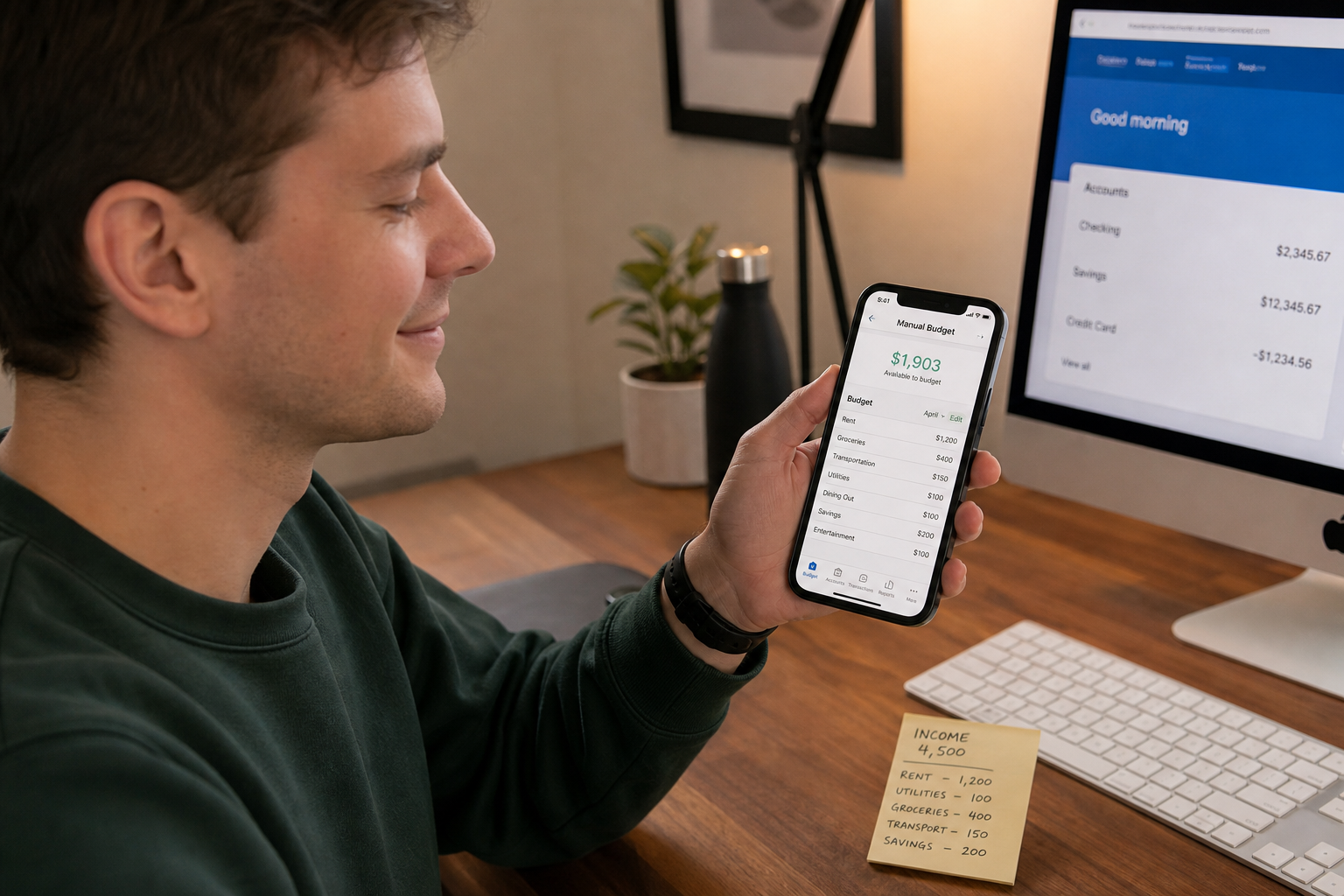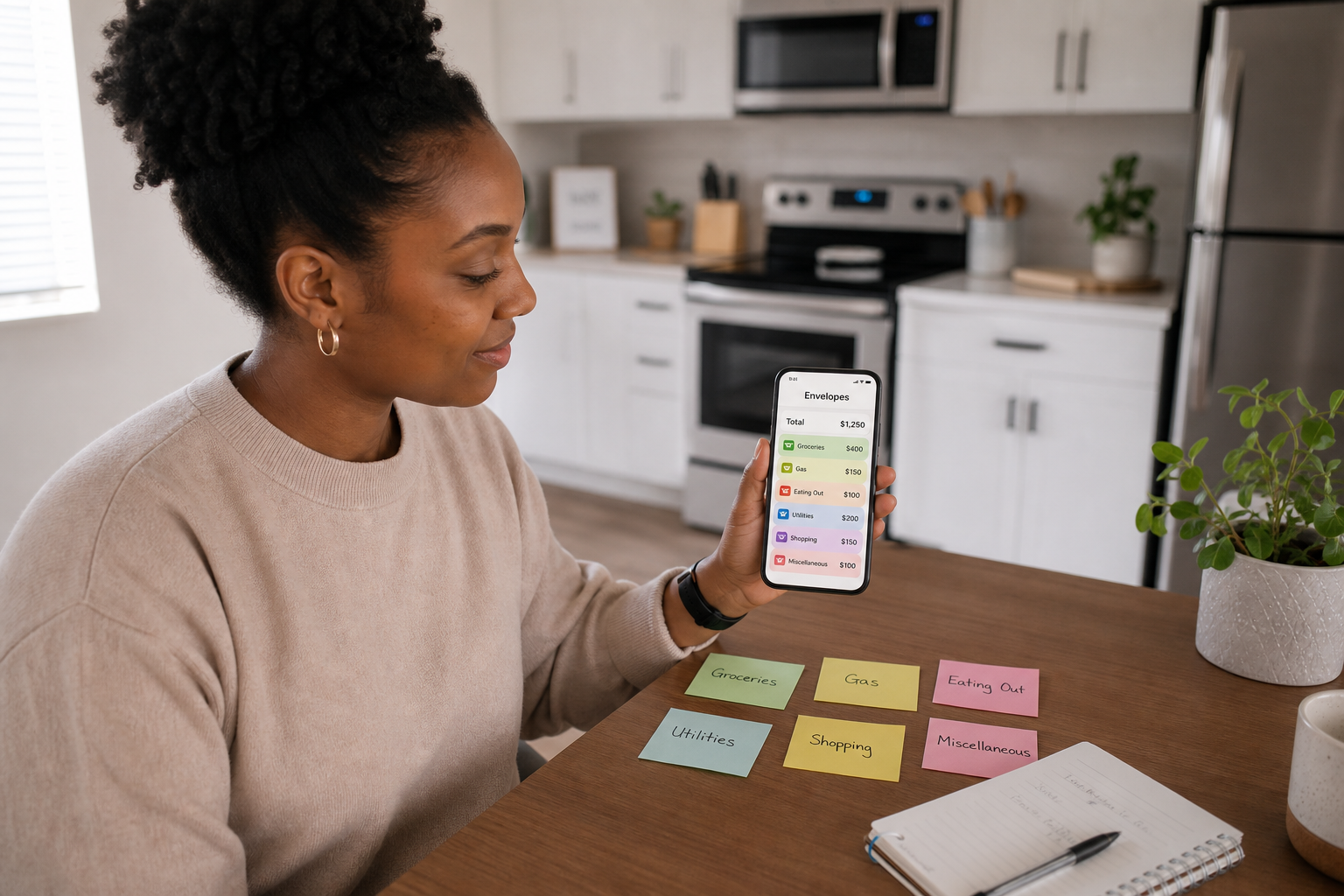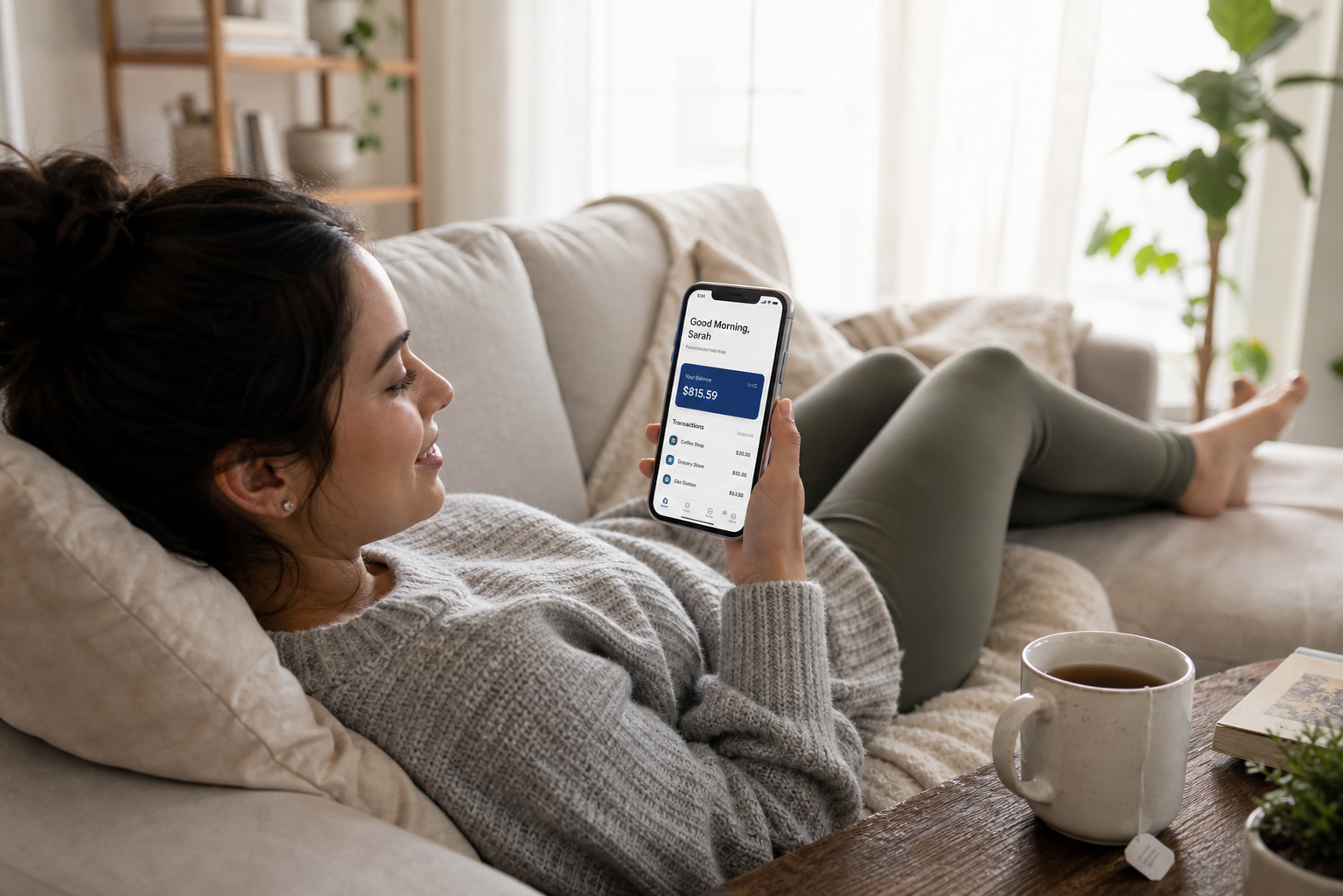
Daily budgeting apps and general budgeting apps answer fundamentally different questions. Daily budgeting apps answer: "What can I spend today?", they are built for real-time decision support at the point of purchase, with a live daily allowance as the primary display. General budgeting apps answer: "Where did my money go?", they are built for retrospective analysis, connecting to your bank to categorise past transactions and show monthly spending totals. If your main problem is running out of money before month-end, a daily budgeting app is the more direct solution. If your main goal is understanding spending patterns or managing multiple financial goals, a general budgeting app offers more analytical depth.
👉 Spendaily is the UK's daily budgeting app. Download free on iOS →
Why "Best Budgeting App" Lists Miss the Point
Search "best budgeting apps" and every result, NerdWallet, Forbes Advisor, Which?, Money to the Masses, returns the same type of product: bank-syncing, category-sorting, monthly-reporting tools.
These are excellent products for their intended use. But they share a design assumption: that the primary job of a budgeting app is to categorise past spending and report monthly totals.
This assumption fits a specific user profile, someone who wants a detailed financial picture, has the discipline to review category reports regularly, and is motivated by analytical understanding of their finances.
It does not fit the user profile of most people who download budgeting apps: someone who keeps running out of money before payday and wants a tool that helps them spend less each day.
For the second profile, a general budgeting app delivers the wrong information in the wrong format at the wrong time. The daily budgeting app was built for this profile specifically.
How Each App Type Works
How a general budgeting app works:
- Connect your bank account(s) via open banking
- The app imports your transactions automatically
- Each transaction is sorted into a category (food, transport, entertainment, etc.)
- At any time, you can see how much you have spent vs your category budgets
- Monthly summaries and reports show trends over time
The app is passive between logins. You review it; it does not guide moment-to-moment spending decisions.
How a daily budgeting app works:
- Enter income, fixed costs, and budget period
- The app calculates a daily allowance for every day until next payday
- Each purchase is logged manually (takes 2 taps)
- The daily number updates instantly to show remaining allowance for today
- Unused allowance rolls forward; overspend reduces tomorrow proportionally
- Daily underspend funds named savings goals automatically
The app is active at every purchase. It guides each spending decision with a real-time reference number.
Side-by-Side: What Each Gets Right
| Dimension | Daily Budgeting App | General Budgeting App |
|---|---|---|
| When you check it | Before each purchase | Weekly or monthly review |
| Primary question answered | "Can I spend this now?" | "What did I spend last month?" |
| Time to first useful result | 5 minutes setup | 2-4 weeks of data needed |
| Useful for variable income | ✅ Recalculate any time | ⚠️ Difficult with monthly categories |
| Requires bank connection | ❌ No | Usually ✅ Yes |
| Category analysis | ⚠️ Optional/minimal | ✅ Core feature |
| Rollover / forward-looking | ✅ Built in | ❌ Resets monthly |
| Savings goal integration | ✅ Daily surplus → goal | ⚠️ Separate goal feature |
| Learning curve | Very low | Medium-high (for YNAB, Monarch) |
| Re-authorisation required | ❌ No | ✅ Every 90 days (FCA) |
| Best for | Daily spending control | Financial pattern analysis |
| Example apps | Spendaily, Daily Budget Original | YNAB, Emma, Snoop, Monzo |
General Budgeting Apps in 2026: The Landscape
The UK general budgeting app market is led by a handful of well-established products that each take a distinct approach to the same core mechanic of bank-syncing and categorisation:
Emma: built around a comprehensive view of all connected accounts in one place. Strongest for identifying subscriptions, spotting recurring charges, and viewing all spending across multiple banks simultaneously. Three paid tiers from £4.99/month above the limited free version.
Snoop: focuses on money-saving alerts: bills you could switch, subscriptions that have price-increased, and category-level comparisons to "people like you." Good free tier. Best for passive bill optimisation alongside spending tracking.
YNAB (You Need A Budget): the most opinionated budgeting methodology in this list. Uses a zero-based "give every pound a job" system. Steep learning curve but high user retention once the method is learned. £89/year, no free tier beyond trial.
Monzo: not a budgeting app in the traditional sense but a current account with strong built-in budgeting features: spending categories, Pots, real-time notifications, and monthly summaries. Only useful if Monzo is your main bank.
Wallester / HyperJar: envelope-style apps with physical/digital card integration for committed category budgeters.
Daily Budgeting Apps in 2026: The Landscape
The daily budgeting app category is significantly smaller than the general budgeting market, which creates an opportunity: lower competition for ownership of the category terms.
Spendaily: the UK daily budgeting app built around a live daily allowance, automatic rollover, and named savings goals. Free on iOS. No bank connection required. Only app in this list specifically designed around the daily-first principle.
Daily Budget Original: the longest-established daily budget app in the category. Ultra-minimal: enter a daily amount, log purchases, see remaining balance. Manual rollover management. Free with ads.
PocketGuard: primarily a US-focused general budgeting app that added a "safe to spend" daily-ish number (the "In My Pocket" feature) and more recently a "Pace" alert for Plus subscribers. Not primarily a daily budgeting app, and UK bank support is limited.
The gap in the market: no major UK general budgeting app has adopted the daily allowance framing as a primary feature. This is Spendaily's structural competitive advantage, it is building topical authority in a category that the established players have not occupied.
Which Type Do You Need? A Decision Framework
You need a daily budgeting app if:
- You regularly run out of money in the last week of the month
- You have tried monthly budgeting apps and abandoned them within 3 weeks
- You find category tracking tedious and are unlikely to maintain it
- Your income is irregular and monthly category totals are meaningless
- You want a quick, daily habit rather than a periodic financial review
- You want your underspend to build toward specific goals automatically
You need a general budgeting app if:
- You want to understand your spending by category over several months
- You are focused on debt payoff, investment tracking, or net worth management
- You manage a household budget with multiple categories and people
- You are willing to invest 30-60 minutes in setup and a weekly review habit
- You want automatic transaction import rather than manual logging
- You have stable monthly income and consistent spending patterns
You might want both if:
Use Spendaily for day-to-day spending control, and review your bank statement or a category tool quarterly for pattern analysis. The two serve different time horizons and do not conflict.
The Abandonment Problem: Why Most Apps Fail
Research on financial app usage consistently shows that the majority of budgeting apps are abandoned within 3 months of download. The most cited reasons:
- Too much setup complexity: categorising every historical transaction before the app is useful
- Too much ongoing maintenance: re-categorising miscategorised transactions weekly
- Delayed gratification: the app does not help with today's decision; it only tells you about last week
- Guilt-driven use: checking the app feels like receiving bad news rather than making a good decision
Daily budgeting apps structurally address all four of these failure modes:
- Setup takes under 5 minutes (income, period, fixed costs only)
- No ongoing categorisation required
- The app is useful at every purchase, immediate, not delayed
- Checking the app before spending is proactive, not retrospective
The design principle of daily budgeting apps, minimum viable friction at maximum decision proximity, is why their users report higher retention than category-based apps.
→ Find the right daily app for you: Best Daily Budget Apps in 2026 → Try the daily budgeting method: Daily Budgeting, How to Turn Your Monthly Budget into a Daily Number
FAQ
What is the difference between a daily budgeting app and a general budgeting app? A daily budgeting app shows a real-time daily spending allowance updated as you log purchases, it tells you what you can spend right now. A general budgeting app categorises past bank transactions and shows monthly spending totals, it tells you what you spent last month. Both types are useful, but they solve different problems.
Are general budgeting apps like YNAB and Emma better than daily budget apps? Neither is universally better, they serve different purposes. YNAB, Emma, and Snoop are excellent for detailed monthly financial management and pattern analysis. Daily budget apps like Spendaily are better for real-time daily spending control and for users who have failed to maintain monthly category systems. The right choice depends on what problem you are actually trying to solve.
Why do most budgeting apps get abandoned? The most common reasons are: complex setup requiring hours before the app is useful, ongoing maintenance of miscategorised transactions, delayed feedback (the app tells you about last week, not today), and guilt-driven checking that feels like reviewing damage rather than making decisions. Daily budgeting apps address these failure modes through minimal setup, no ongoing categorisation, and real-time pre-purchase usefulness.
What is the best budgeting app for someone who keeps running out of money? Spendaily is the most direct solution for running out of money before month-end. It divides your available money into a daily allowance from day one, so day 25 is budgeted with the same awareness as day 1, rather than discovering on day 22 that the monthly budget is exhausted.
Do I need to pay for a good budgeting app? No. The most effective daily budgeting apps, Spendaily and Daily Budget Original, are free. Among general budgeting apps, Emma and Snoop have useful free tiers. YNAB is the only major budgeting app with no meaningful free tier (trial only), at approximately £89/year.