A good daily spending tracker app does more than list transactions. It makes it easy to log expenses in seconds, shows you a clear daily or weekly allowance, and highlights patterns you can act on. Categories and charts are useful, but the real value comes from how the app supports your daily decisions, not how many graphs it can draw.
Why Many Expense Trackers Feel Useless After a Month
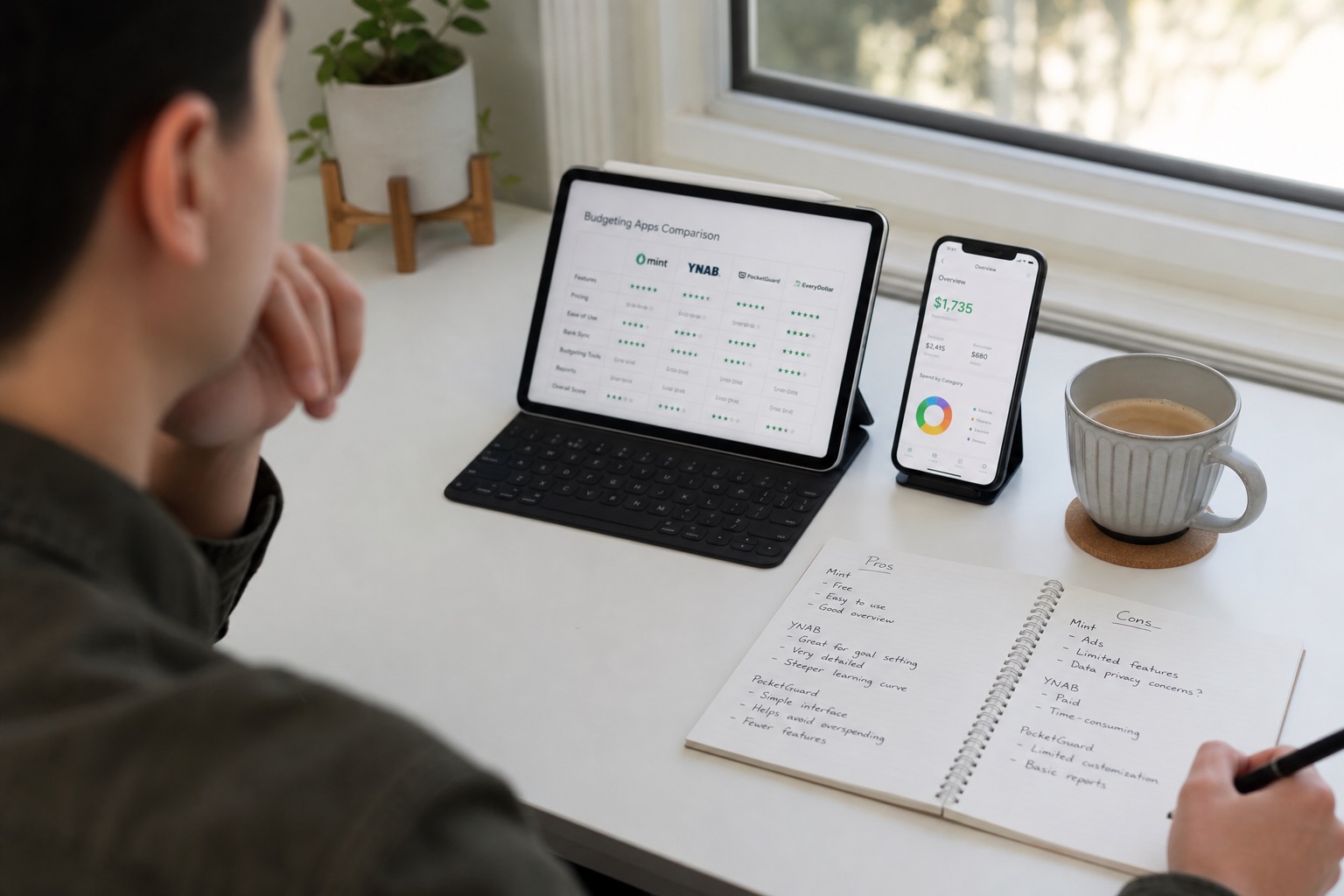
Many people download an expense tracker, log transactions for a few weeks, then stop.
Common complaints on app reviews and forums include:
- Too many categories and charts.
- Boring or time-consuming data entry.
- Not enough help answering "What can I spend today?"
The lesson is clear: detailed data alone doesn't change behaviour. Helpful daily feedback does.
Feature 1, Fast, Friction-Low Logging
The best daily trackers make recording a spend almost effortless.
Look for:
- One-tap add buttons.
- Remembered merchants or categories.
- Simple inputs: amount, basic category, optional note.
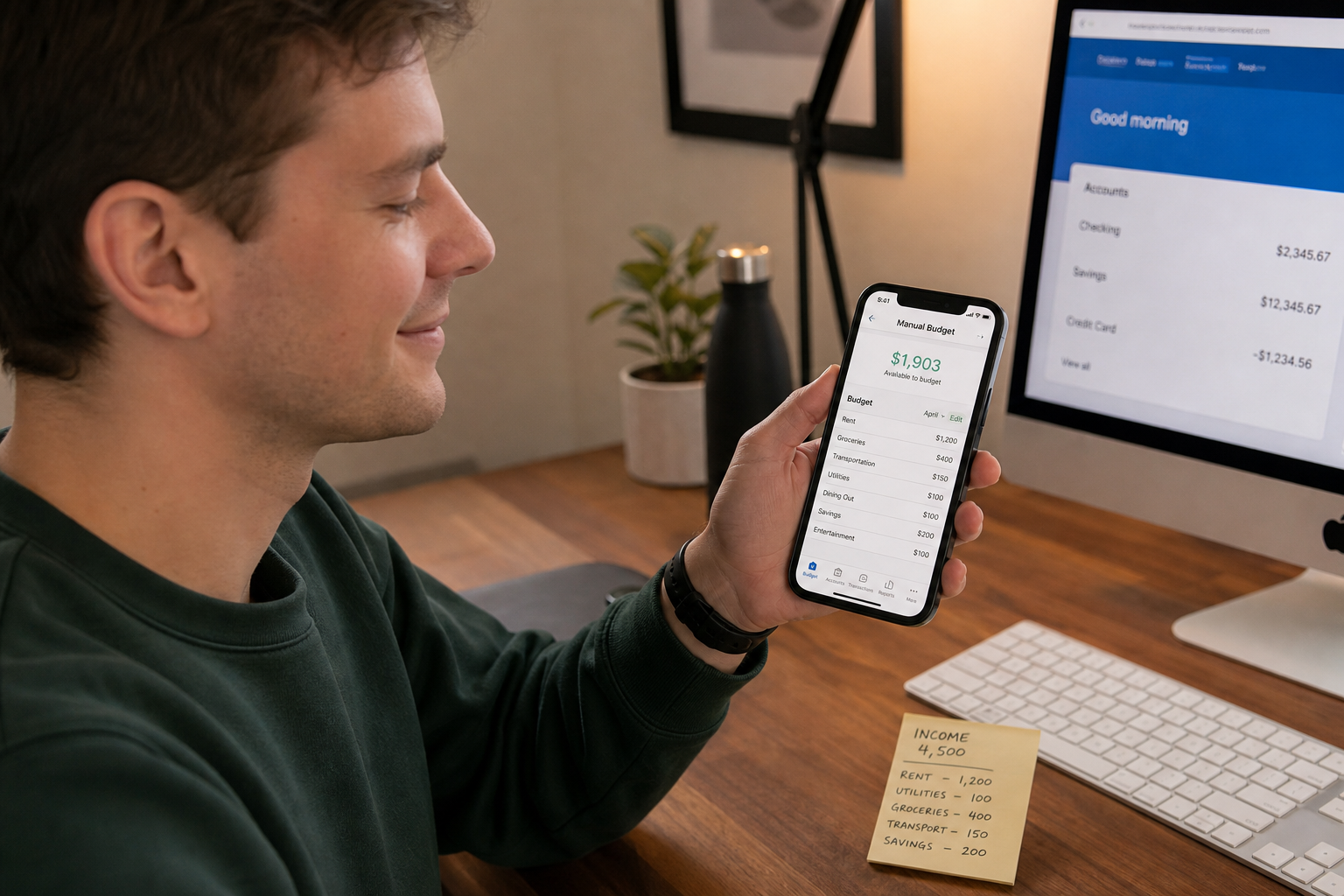
Manual-entry apps like Money Manager Expense & Budget, Daily Budget Original and others are praised for balancing speed with useful structure.
If logging a coffee takes longer than buying one, you won't stick with it.
Feature 2, A Clear Daily or Weekly Allowance View
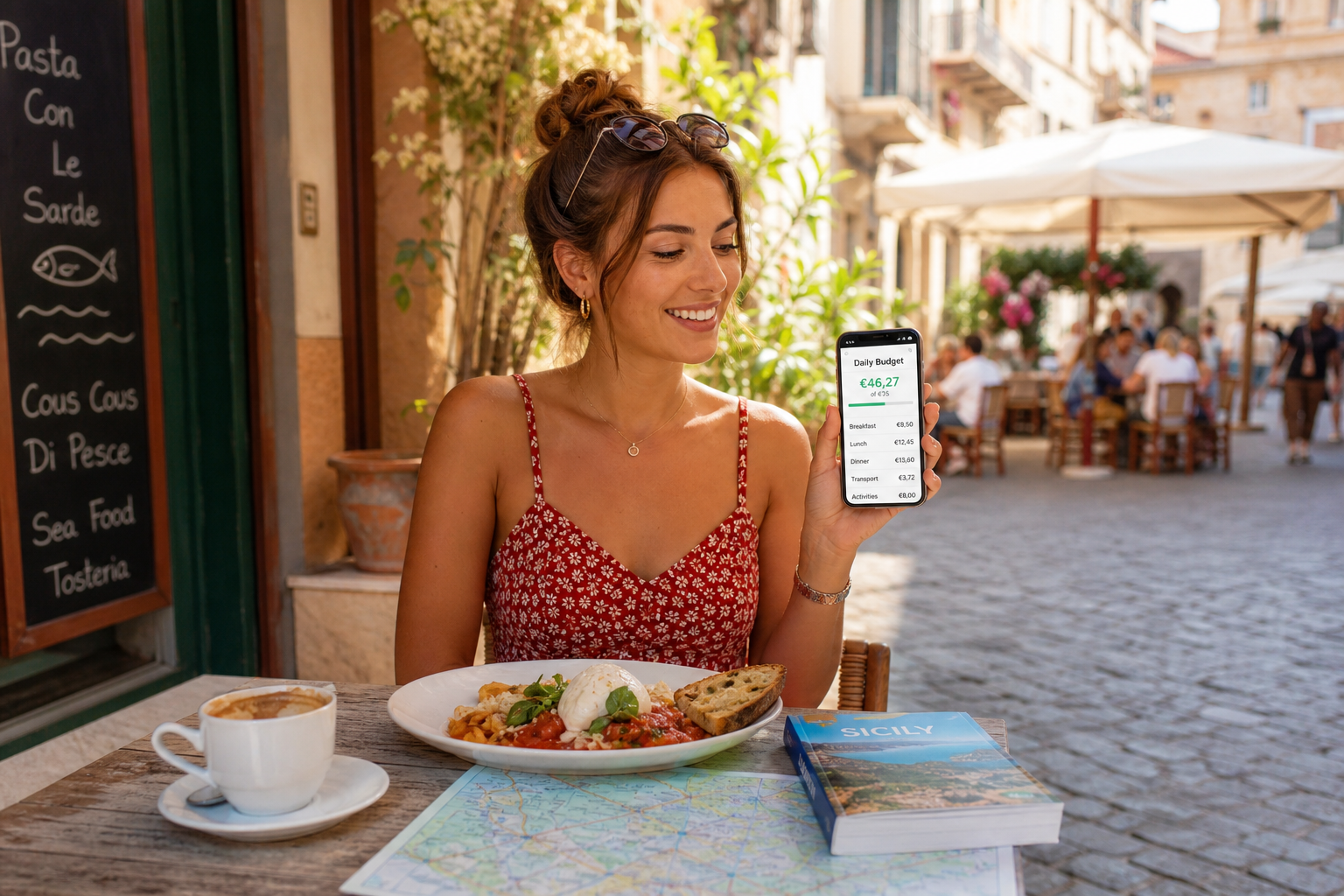
Traditional trackers show how much you've spent this month. A daily tracker should also show how much you can safely spend today.
Some apps, including dedicated daily-budget tools and certain mainstream budgeting apps, calculate a daily or per-week "safe to spend" number.
This is crucial for behaviour change: it turns data into a simple decision support tool you can use in seconds.
Feature 3, Manual vs Bank-Linked: Choose Consciously
Daily spending trackers come in two main styles:
- Bank-linked: automatically pull transactions, then you tidy up categories.
- Manual: you enter spending yourself.
UK app roundups and user reviews show both have fans.
Manual trackers:
- Increase awareness.
- Work with cash and multiple banks.
- Don's require sharing bank logins.
Bank-linked trackers:
- Reduce data entry.
- Provide rich reports.
- Need you to be comfortable with open banking.
Pick the style that fits your comfort with privacy and effort.
Feature 4, Simple, Not Overwhelming, Categories
You rarely need 30 categories.
Good daily trackers focus on:
- A handful of broad categories.
- Optional subcategories.
This keeps logging quick and reports readable.
Some of the most-recommended apps on both expert lists and Reddit threads are praised not for advanced category systems, but for clear, simple overviews.
Feature 5, Helpful Insights, Not Just Pretty Graphs
Charts should answer questions like:
- Which days are typically most expensive?
- Which category quietly drains cash?
- Are you trending over or under your budget?
Top budgeting app reviews from sites like NerdWallet, PCMag and Money to the Masses note that the best apps surface simple, actionable insights, not just raw graphs.
Look for weekly summaries and gentle alerts when you approach a limit, rather than a dashboard full of static charts.
Where Spendaily Fits Among Daily Trackers
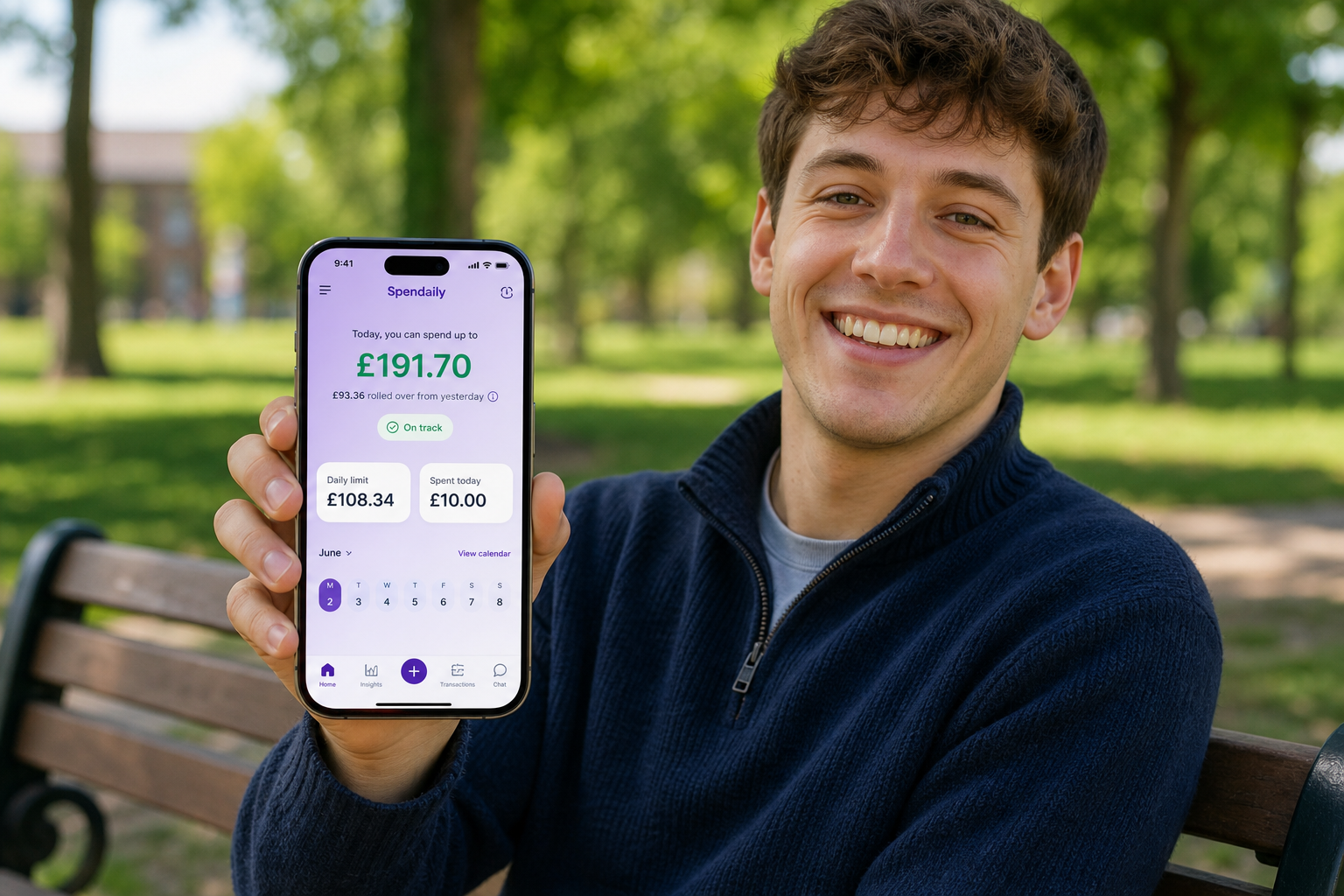
Spendaily is closer to a "daily budget companion" than a classic expense tracker.
It:
- Starts from your budget and calculates a daily allowance.
- Lets you log expenses in seconds.
- Shows how much you can spend today at a glance.
- Uses rollover to connect good and bad days.
If your priority is day-to-day decisions rather than deep historical analysis, this kind of focused daily tracker is often a better fit.
Keep reading: Best Daily Budget App in 2026: Top Picks Compared, Budgeting Apps Ranked by Daily Effort, Not Features and YNAB Alternatives: 7 Simpler or Cheaper Options.
FAQ
Do I need categories at all for daily tracking?
Not necessarily. Many people do well tracking just total daily spend against a daily allowance. Categories help if you want to target specific problem areas.
Are paid daily spending trackers worth it?
They can be, but only if you actually use the extra features. Try free options first and upgrade only if you find yourself wishing for more.
How many times a day should I log spending?
Whatever fits your routine. Some people log each purchase; others log once in the evening. Consistency matters more than frequency.
Can I switch from a bank-linked tracker to a manual daily one?
Yes. Use your bank-linked app to learn your patterns, then move to manual daily tracking if you want more awareness and control.
What if I mostly use cash?
Manual daily trackers are ideal for cash. Just log the amount spent each time you pay.