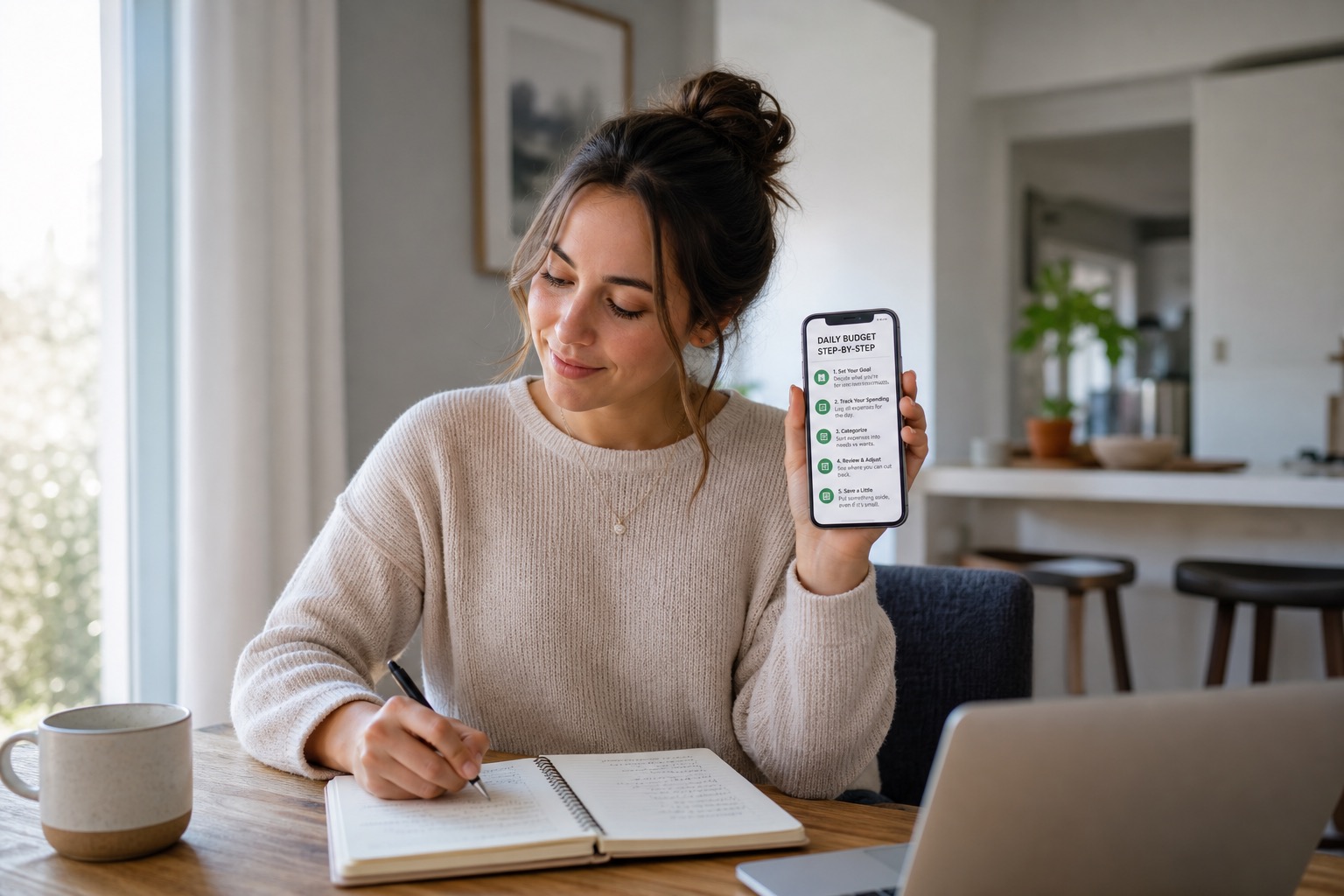
Travelling on a daily budget means deciding in advance how much you can spend each day on food, activities and extras, then organising your trip so that number is realistic. You start from your total trip money, set aside fixed costs (flights, accommodation, insurance, key transport), and divide what’s left by the number of travel days to get a daily allowance. That one number becomes your travel “speedometer”, helping you make decisions in the moment without constantly redoing the maths.
Step 1, Work Out Your Real Trip Pot
Before you can set a daily budget, you need to know how much money you actually have for the trip.
Add up:
- Savings you’re willing to use.
- Expected side hustle or extra income earmarked for travel.
- Any travel fund you’ve already built.
Then subtract:
- Flights or long-distance travel you’ve already booked or need to book.
- Travel insurance.
- Big fixed costs like tour passes or event tickets.
The remainder is your spending pot for everything else on the trip.
Step 2, Divide by Days (Then Adjust for Expensive Places)
Next, divide your spending pot by the number of days you’ll actually be travelling.
Example:
- Total trip pot after fixed costs: £1,200
- Trip length: 12 days
Simple daily budget = £1,200 ÷ 12 = £100/day
If you’re visiting a mix of expensive and cheaper places, you can:
- Allocate a bit more to high-cost cities and a bit less to cheaper ones.
- Keep the same daily number but know that some days will be “tight” and others “relaxed”.
Use recent budget travel guides to sense-check whether your number is realistic for your destinations.
Step 3, Separate Your “Must-Spends” From Flex Money
To avoid running out of money halfway through, split your daily budget into:
- Must-spend: basic food, local transport, small fees.
- Flex: cafes, bars, paid attractions, souvenirs.
Example with a £100 daily budget:
- £60 for must-spend (groceries, simple meals, buses/metro).
- £40 for flex (treat meals, drinks, activities).
If you want more flex, you can:
- Book accommodation with free breakfast.
- Use hostels or budget hotels outside tourist cores.
- Cook some meals using hostel kitchens.
Travel blogs consistently point out that staying just outside main tourist areas, travelling off-peak and using public transport let your money go much further.
Step 4, Use Simple Daily Habits on the Road
Your daily routine doesn’t need to be complicated.
Morning (2 minutes):
- Check today’s daily budget.
- Look at your plans: free walking tour, paid museum, travel day?
During the day:
- Favour free or low-cost activities (walking, parks, viewpoints).
- Choose one main paid highlight rather than lots of small extras.
Evening (5 minutes):
- Log roughly what you spent.
- See whether you’re under or over your daily number.
Underspend today and you can be more relaxed tomorrow; overspend and you tighten up a little.
Step 5, Travel Hacks That Help Your Daily Budget Go Further
Budget travel guides repeat a few key tactics:
- Travel off-peak or in shoulder seasons to avoid inflated prices.
- Be flexible with flight dates and use fare alerts.
- Use public transport and walk instead of taxis where safe.
- Stay somewhere with a kitchen and free breakfast to cut food costs.
- Avoid the main tourist traps and look for local alternatives.
These choices don’t just save money once, they reduce the pressure on your daily budget every single day of the trip.
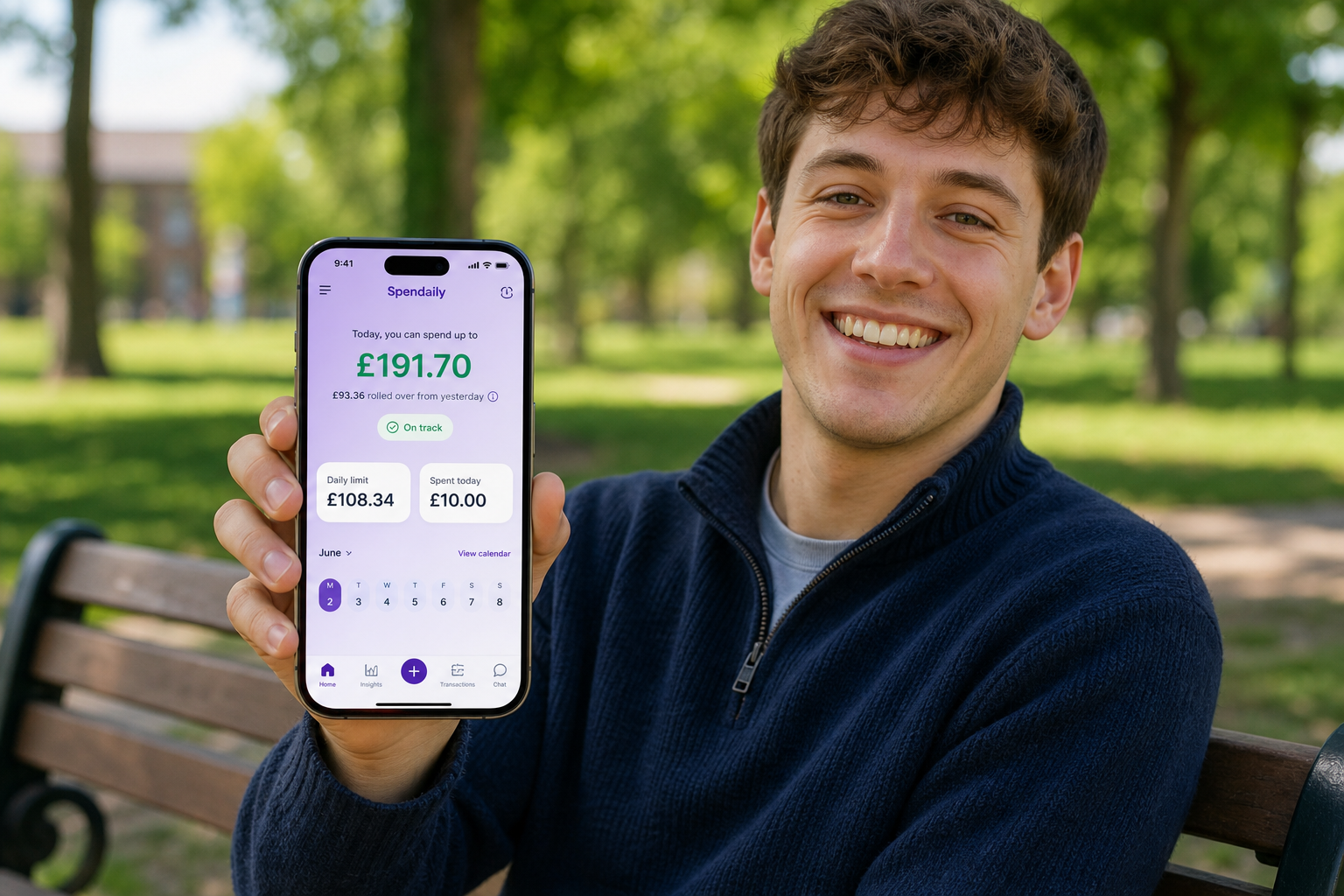
How Spendaily Can Help You Stick to a Daily Travel Budget
You can run your travel budget on paper, but a daily allowance app can make it smoother.
With Spendaily, you can:
- Set your trip start and end dates and total trip pot.
- Let the app calculate a daily allowance for the travel period.
- Log spending in local currency and see its impact on your daily number.
- Direct leftover money to a post-trip goal when you get home.
That way, your phone becomes your travel money “dashboard”, one number each day, instead of trying to keep everything in your head.
Keep reading: How to Budget for Weddings and Festivals with a Daily Number, Daily Budget Calculator: Find Your Daily Spending Limit and Moving City in the UK: Build Your New Daily Budget First.
FAQ
How much should I budget per day when travelling?
It depends on destination, travel style and exchange rates. Backpackers in cheaper regions might get by on £30-£50/day, while major European or UK city trips can easily require £80-£120/day for a comfortable but not luxury experience. Always check up-to-date guides for your specific route.
Should I use cash or cards for a daily travel budget?
A mix usually works best. You can keep your daily limit in your budgeting app or notes, pay mostly by card, and withdraw some cash for places that don’t take cards. Just make sure you record both against your daily number.
What if I blow my daily budget early in the trip?
Don’t panic. Recalculate your remaining pot divided by the remaining days and use the new daily number. Then look for a couple of lower-spend days to reset, think picnics, free attractions and walking.
How do I handle big one-off costs like excursions?
Set them aside as fixed costs from your pot before you calculate your daily allowance. That way, your daily number only covers regular spending, and you’re not surprised when the excursion bill hits.
Is it worth tracking every penny when travelling?
Perfect tracking isn’t necessary. Rounding to the nearest pound or ten works fine. The point is to keep a running sense of where you stand so you don’t arrive at the last two days with nothing left.