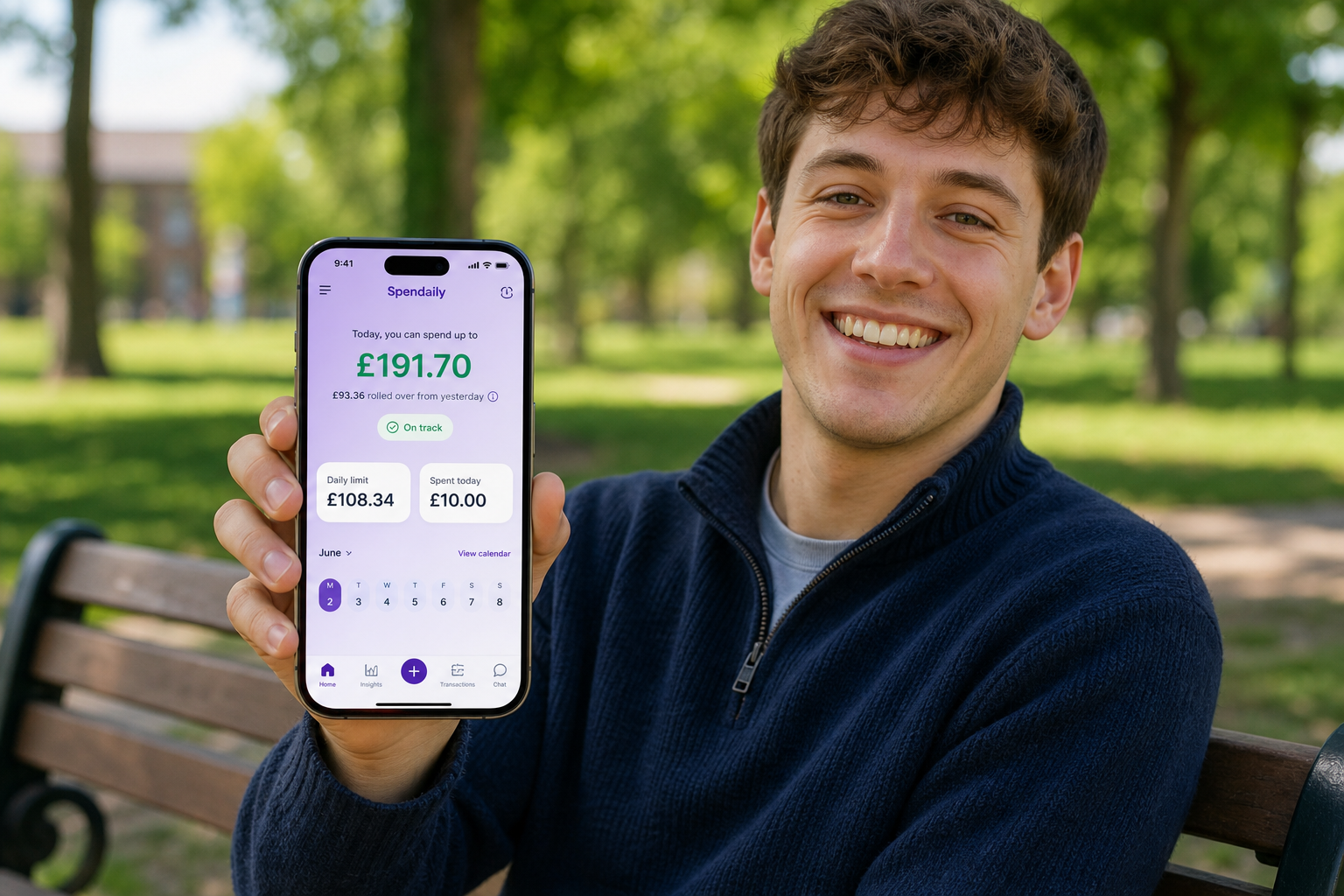
Micro-savings are small, repeatable money-saving habits that add up over weeks and months without requiring a dramatic lifestyle change. Switching one or two daily habits, like making coffee at home or batch-cooking lunch, can save £50-£100 or more each month. The trick is to capture the savings immediately by redirecting them to a named goal, so they don't quietly disappear into general spending.
Why Small Savings Beat Big Sacrifices
Most people give up on saving because they try to change too much at once. Big sacrifices rarely stick.
Micro-savings work because:
- Each individual change feels manageable.
- Habits build on each other.
- Progress is visible: small amounts in a goal pot grow every week.
The key research insight on micro-habits and financial success is that consistency matters far more than size. Small, daily actions compound.
The Golden Rule: Capture Savings Immediately
Before the ideas, one rule:
Every time you make a cheaper choice, move the difference to your goal.
If you usually spend £4 on a coffee but make one at home today, move £4 to your savings goal. If you batch-cook instead of ordering a £12 takeaway, move £8-£10 to your goal.
Without this step, the savings get absorbed into general spending.
Idea 1, The Home-Made Coffee Swap
One bought coffee per day = roughly £1,000-£1,500 per year.
Swap it once a day and you save that amount back. Even swapping every other day adds up to hundreds annually.
Capture it: each day you skip the coffee shop, move £3-4 to your goal.
Idea 2, Batch-Cook Two Lunches a Week
A bought lunch averages £7-£10 in UK cities. A home-made one might cost £1-£2.
Swap just two lunches a week: save up to £16 per week, around £64-£70 per month.
Capture it: on days you bring lunch, move the difference to your goal.
Idea 3, Cancel One Unused Subscription Per Month
Review your subscriptions and pick the one you use least. Pause or cancel it.
Even £5-£15/month released from a dormant service adds up over a year.
Capture it: redirect the monthly fee to a savings pot.
Idea 4, Use the 24-Hour Wait on Non-Essential Purchases
Before any unplanned purchase (clothes, gadgets, extras), wait 24 hours.
If you still want it, buy it. If the urge has passed, move what you would have spent to your goal.
Studies and psychology articles show the 24-hour rule eliminates a significant proportion of impulse purchases.
Idea 5, Round Up Every Spend to the Nearest £5
When you spend £3.40, log £5 in your budget.
The extra £1.60 effectively cushions your daily allowance. Do this consistently and you'll find yourself with a small buffer each week.
Capture it: move the rounded-up difference to your goal each week.
Idea 6, Eat at Home on "Takeaway Fridays"
Friday takeaways are one of the most consistent spending habits. Even cooking a nicer-than-usual home meal saves £15-£25 compared to a delivery platform order.
Capture it: move the savings to your goal pot on Saturday morning.
Idea 7, Downshift One Supermarket Category
Supermarket downshifting, choosing a slightly cheaper tier for one category (cereals, pasta, tins), can cut your weekly shop by £10-£20 without noticeable quality loss.
Try it on two categories and capture the savings each week.
Idea 8, Walk or Cycle One Journey a Week
If transport is a regular discretionary cost, swapping one journey per week for a walk or cycle saves money and adds health benefits.
Even £3-5 per journey adds up over a month.
Capture it: move the transport cost you didn't spend to your goal.
Idea 9, Use "Found Money" Rules
Any time money arrives unexpectedly, a refund, selling something, birthday money, agree a rule for what happens to it.
For example:
- 50% to savings goals.
- 50% into daily allowance.
Without a rule, found money tends to disappear quietly.
Idea 10, Set a Weekly Micro-Savings Target
Instead of leaving savings to chance, decide each week:
- "I'm going to save £10 this week through small swaps."
This turns micro-saving into an active game rather than a passive hope. By the end of the month, £10/week adds up to £40-£45.
Turning Micro-Savings Into a Real Goal With Spendaily
Spendaily's rollover and goals features make micro-saving easy to see.
When you underspend your daily allowance:
- The surplus adds to tomorrow's number, or
- You direct it to a named goal.
That means each time you use idea 1, 2 or 4 and spend less than your allowance, you can send the difference to your "holiday fund" or "headphones" goal in a couple of taps.
Keep reading: What Is a Rollover Budget? Why Unused Money Should Carry Over, Micro-Savings Goals: Save for Anything from £50 to £500 and Turn Daily Leftover Budget into Goal Progress.
FAQ
How much can micro-savings realistically add up to in a year?
A combination of 3-4 of the above ideas, applied consistently, can save £50-£150 per month, which is £600-£1,800 per year, significant for most people.
Do I have to do all 10 ideas at once?
No. Pick 1-2, do them for a few weeks, then add more as they become habits. Attempting all 10 at once usually leads to abandoning them.
What's the best goal to attach micro-savings to?
Something specific and near-term is most motivating, headphones, a short trip, a nicer pair of trainers. Abstract goals like "savings" are less motivating than concrete ones.
What if I forget to capture the savings?
Set a weekly reminder and do a batch transfer. Even delayed capturing is better than none.
Can micro-savings work if I'm also paying off debt?
Yes. Use micro-savings to fund a small emergency buffer (£500-£1,000) first, then redirect the habit to extra debt payments.