You can track expenses daily without burning out by using one simple tool, setting a 5-minute check-in time, and focusing on totals rather than perfect detail. The goal is to build a light routine you can stick to, not to record every transaction in 10 different categories.
Why Daily Tracking Helps (Even When You Have a Budget)
A budget is your plan. Tracking is how you see whether reality matches it.
Daily expense tracking:
- Reduces the “where did my money go?” feeling.
- Highlights leaks early instead of at the end of the month.
- Makes changing habits easier, because you see the impact straight away.
You don’t need perfection; you need a clear enough picture to make better decisions tomorrow.
Step 1, Pick One Tracking Tool and Stick With It
Switching tools creates friction.
Choose one of:
- A paper notebook.
- A simple spreadsheet.
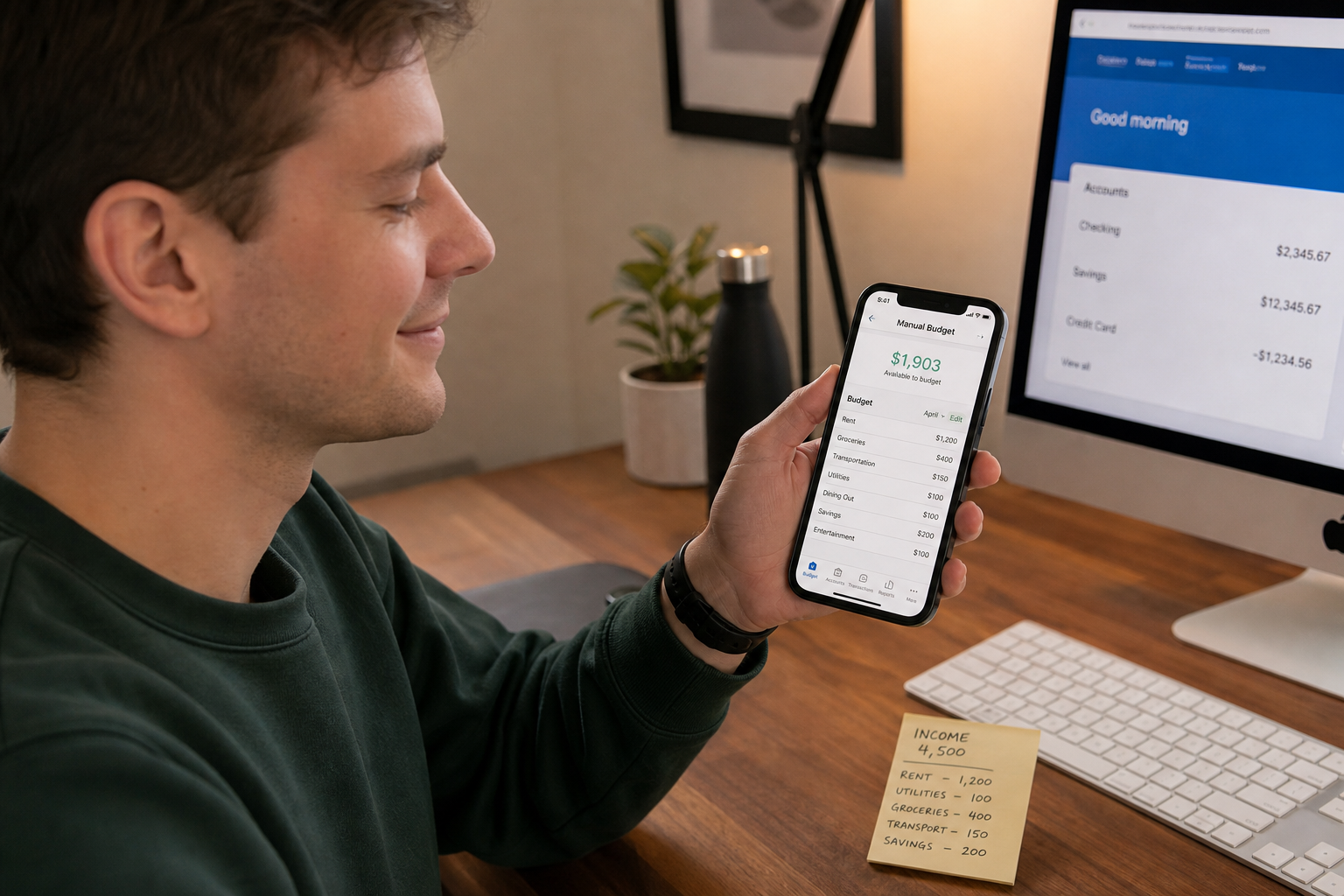
- A budgeting app.
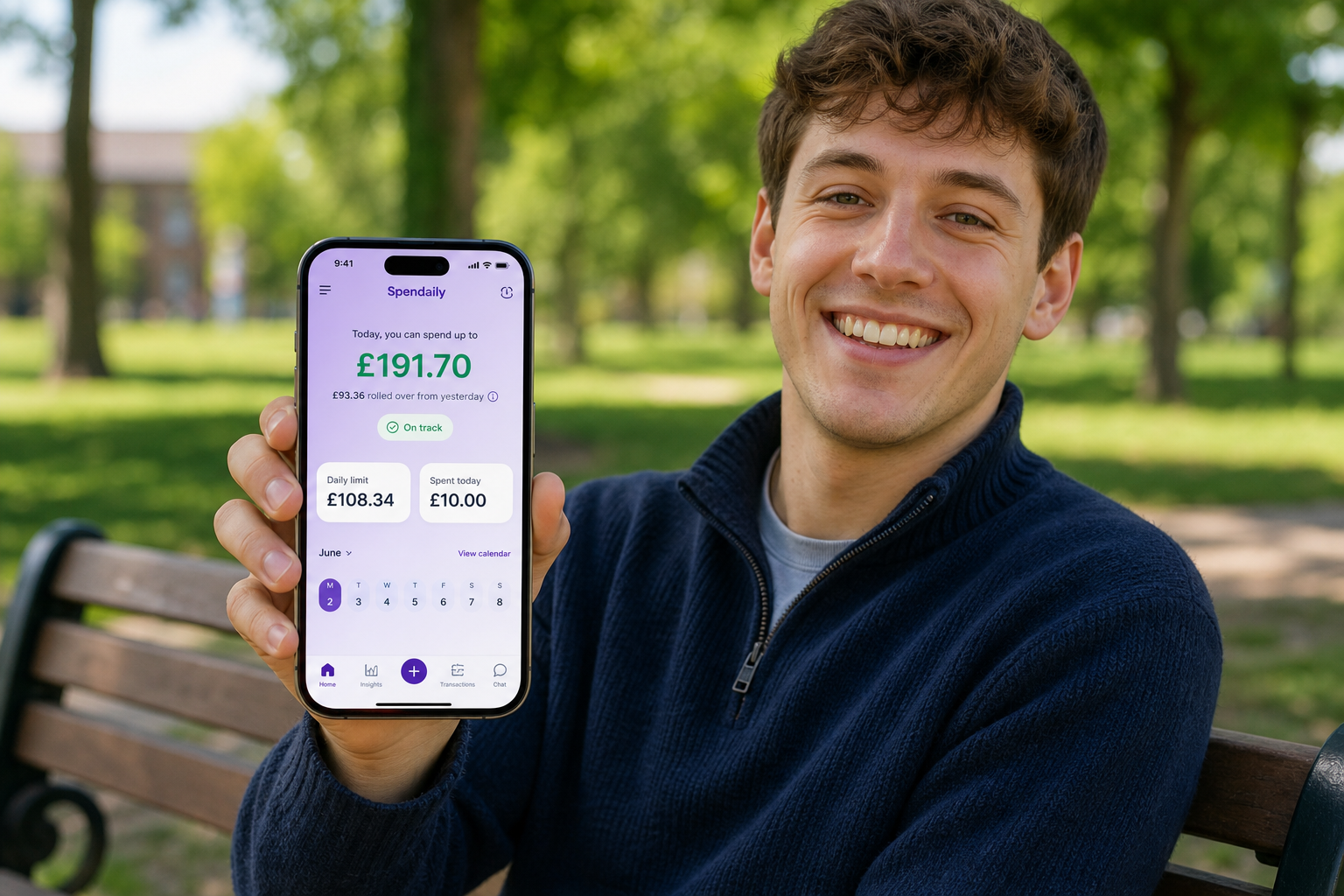
The best tool is the one you’ll actually open every day. Apps like Spendaily are designed for quick daily logging and show how today’s spending affects your allowance.
Step 2, Decide Your Tracking Scope
You don’t have to track everything in microscopic detail.
Options include:
- Tracking all spending (best for the first month or two).
- Tracking only discretionary spending (coffees, takeaways, clothes, etc.).
- Tracking just problem categories (like food out or online shopping).
Start broad for a short period to get insight, then narrow if you need to reduce effort.
Step 3, Set a Daily Check-In Time
Make tracking a small, fixed part of your day.
Popular choices:
- After dinner.
- Just before bed.
- First thing in the morning (reviewing yesterday).
Set a reminder if needed. Aim for 5 minutes or less.
Step 4, Use Simple Entries (Per Purchase or Per Day)
You can track:
- Every purchase individually, or
- One total per category per day.
If you’re short on time, a single “today’s total” is better than nothing. For example:
- “Food out: £7.”
- “Transport: £4.”
The key is that you can see your daily spending relative to your allowance.
Step 5, Link Tracking to a Daily Budget
Tracking is more powerful when it connects to a clear target.
If you’ve set a daily allowance:
- Start each day knowing your “safe to spend” number.
- Log expenses and watch how close you get.
This turns tracking from a chore into a live feedback loop that guides decisions.
Step 6, Make It Easy to Log on the Go
Reduce friction by:
- Pinning your app or spreadsheet shortcut to your home screen.
- Keeping a small notebook and pen in your bag.
- Using quick-add widgets if your app offers them.
The easier it is to log, the more likely you’ll do it in the moment.
Step 7, Review Patterns Weekly, Not Daily
Daily tracking gives you data. But big changes come from patterns over time.
Once a week:
- Look at which days were most expensive.
- Spot recurring leaks (like frequent small top-up shops).
- Choose 1-2 small changes to try next week.
This keeps you improving without scrutinising every single decision.
Where Spendaily Fits In
Spendaily is built around daily allowances and quick logging.
It:
- Shows you today’s number when you open the app.
- Lets you add expenses in seconds.
- Automatically adjusts tomorrow’s allowance based on today.
This makes daily tracking feel like a quick check-in instead of a second job.
Keep reading: Daily Budgeting: The Complete Guide to One Simple Number, How to Budget Daily: 7 Simple Steps and Daily Budget Calculator: Find Your Daily Spending Limit.
FAQ
Do I really need to track every day?
Tracking daily for the first month is helpful to build awareness. After that, you might move to slightly looser tracking while keeping a daily check-in.
What if I miss a few days?
Don’t give up. Use bank statements to fill in gaps roughly, then restart your daily routine. The habit matters more than perfect records.
How detailed do my categories need to be?
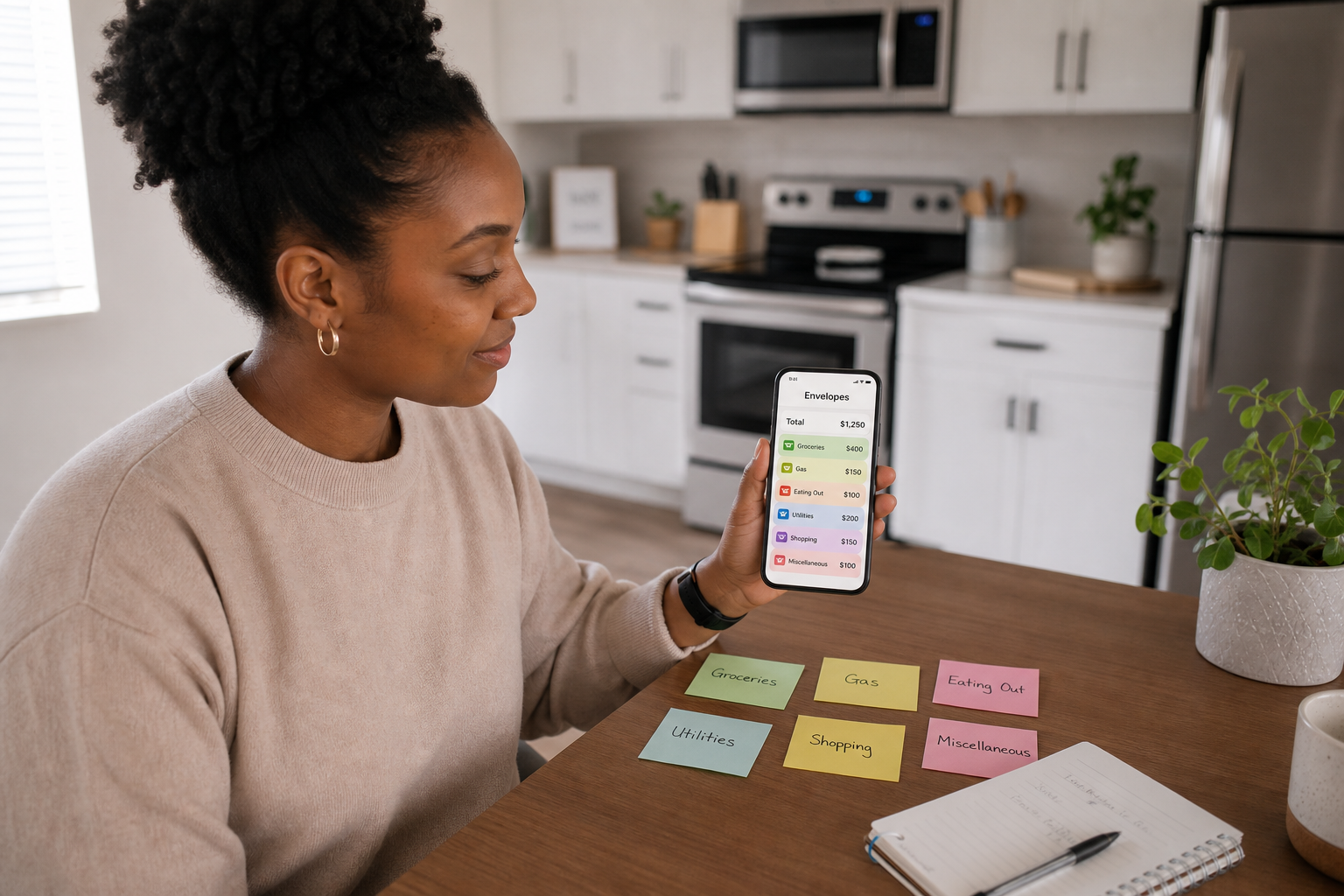
Not very. 3-8 broad categories are usually enough (for example: groceries, eating out, transport, fun, other).
Can daily tracking work if I mainly use cash?
Yes. Just log cash spending like any other transaction. Some people keep a separate “cash” line and record the total spent each day.
Will tracking make me obsess over money?
It shouldn’t. If it starts to feel intrusive, reduce detail, shorten check-ins or switch to a simple daily allowance view instead of full transaction lists.