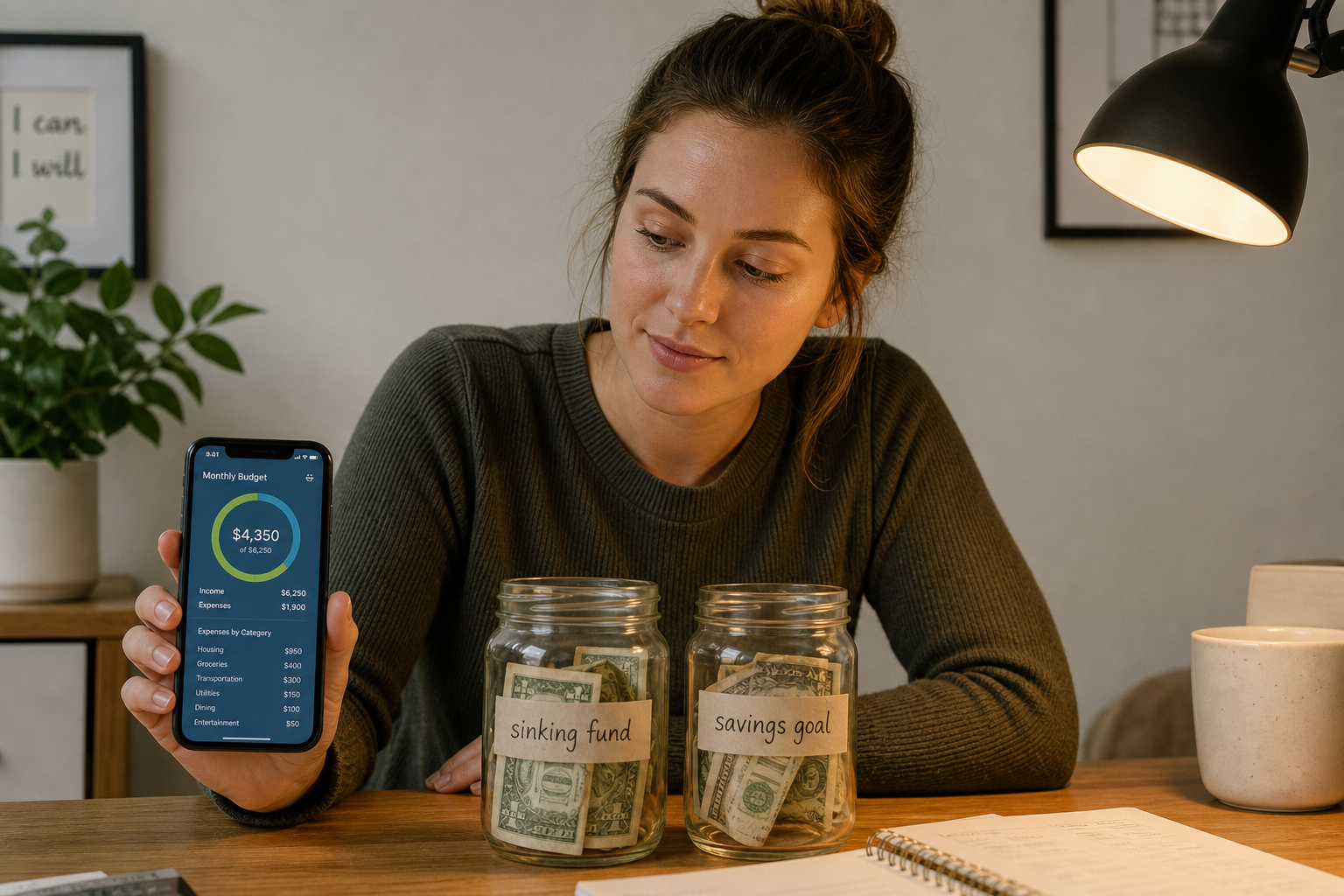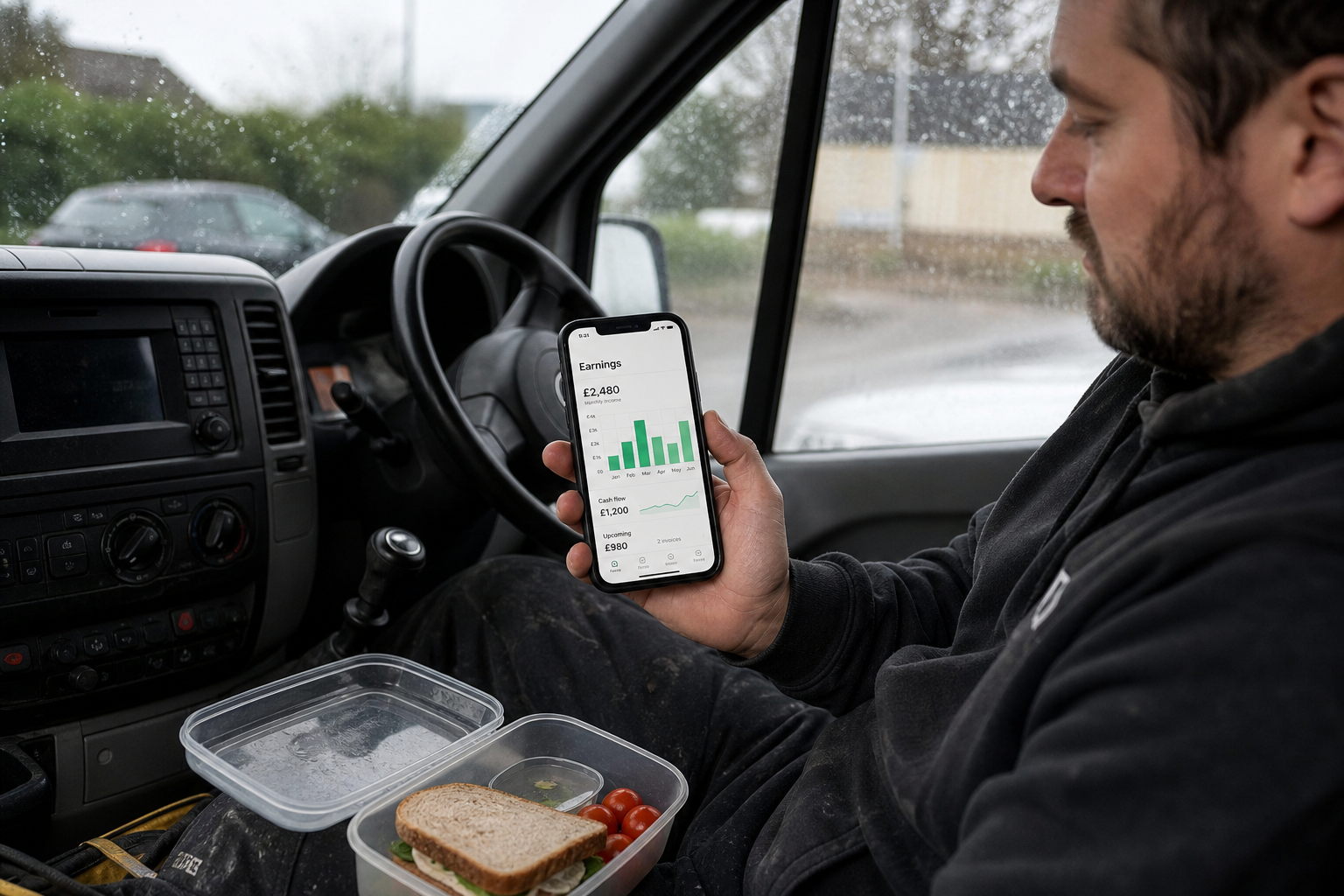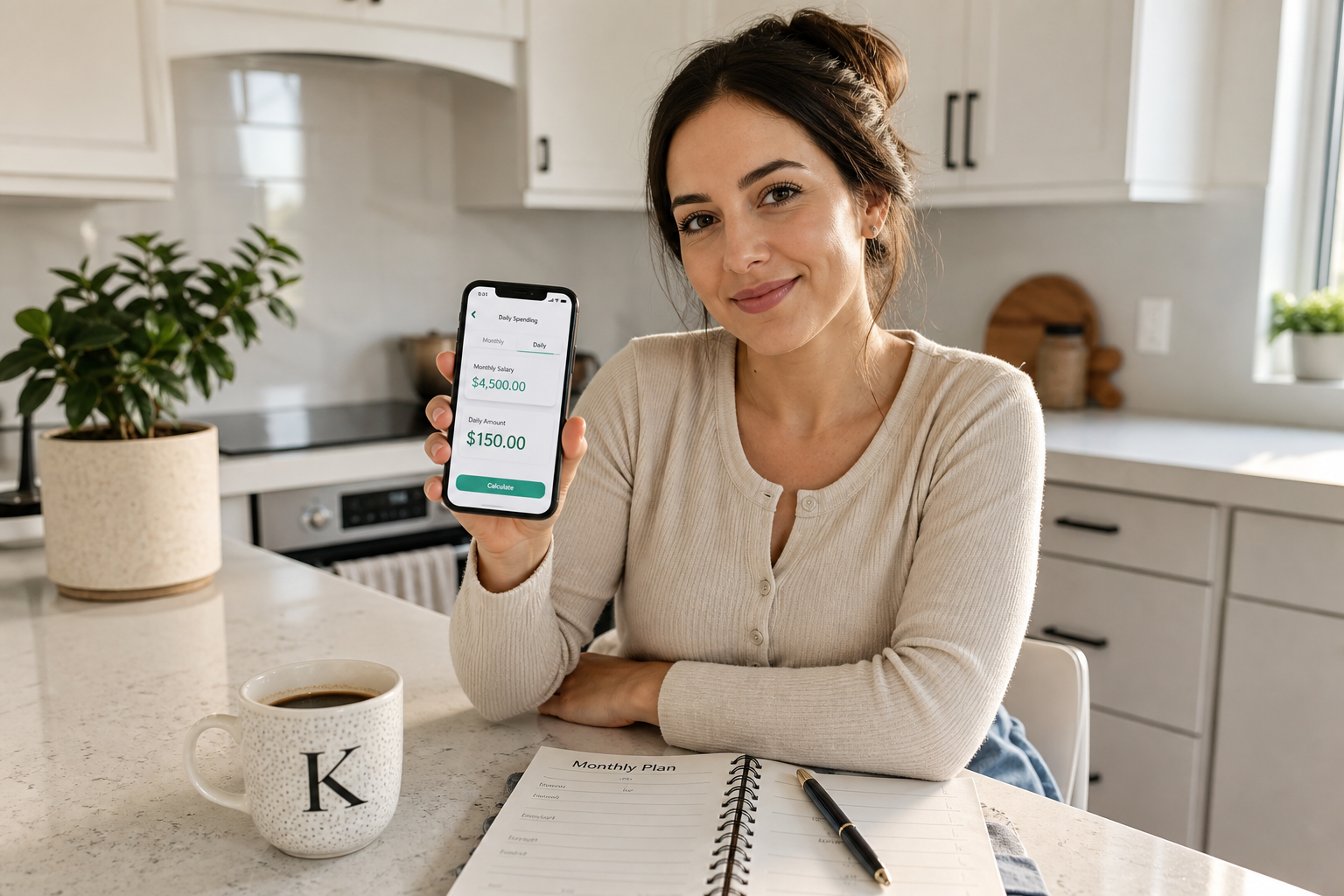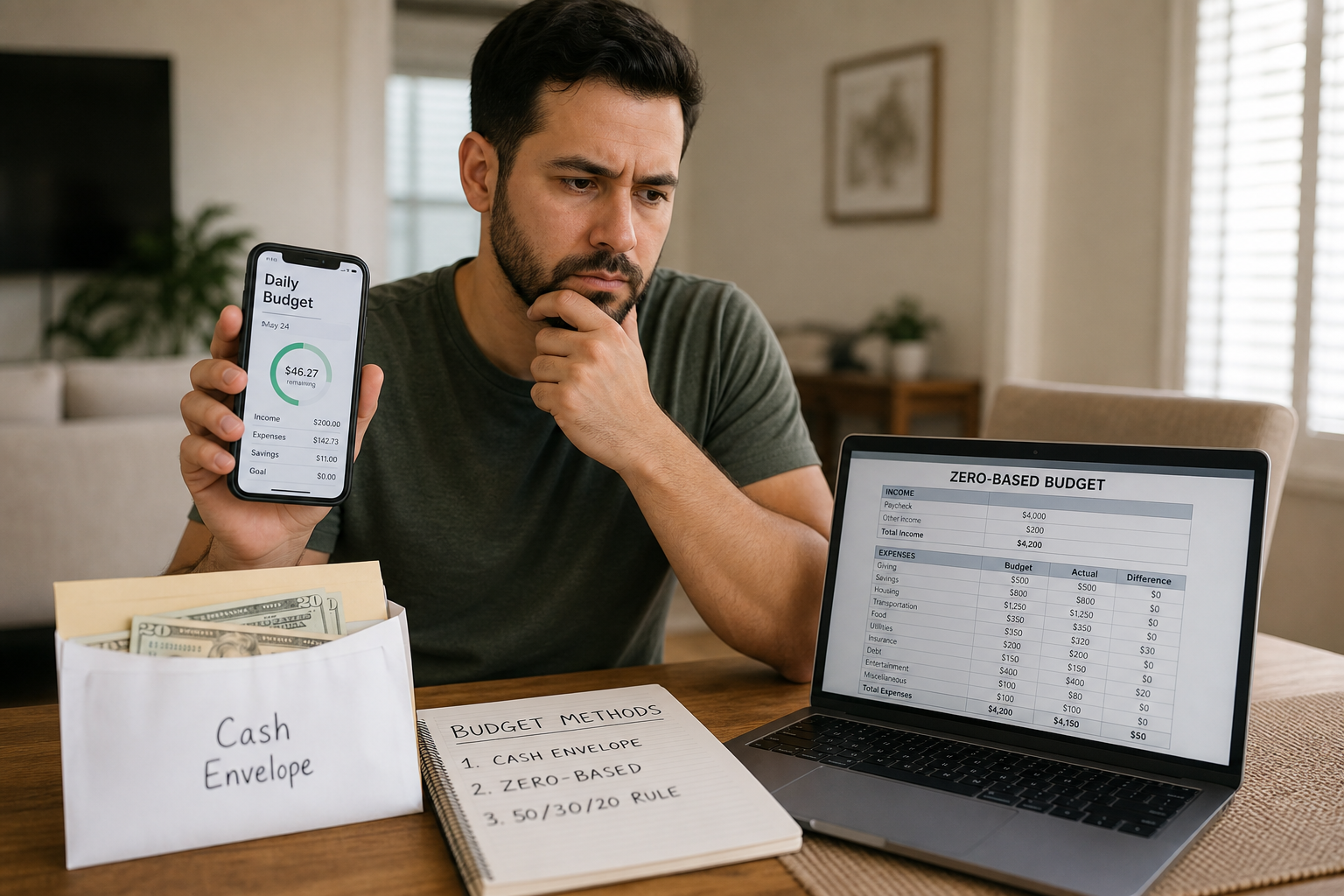
The most effective daily budgeting tips from real users are simple: check your money once a day, give yourself a clear spending limit, plan food ahead, and use small rules (like 24-hour pauses) to stop impulse buys. People who stick with a budget long term usually rely on a handful of easy routines, not complex systems. A daily budgeting app can tie these habits together by turning your plan into one number you can check in seconds.
How We Collected These Tips
These tips are distilled from recent budgeting guides, money blogs and Reddit communities where people share what actually works for them when sticking to a budget.
Across all of them, the same patterns appear:
- Short, repeatable routines beat occasional big efforts.
- Daily awareness matters more than perfect spreadsheets.
- Simple limits (weekly or daily) work better than dozens of categories.
What follows are 30 tips grouped into themes that you can plug into your own daily system.
Daily Check-In and Awareness Tips
- Look at your money once a day.
Open your budgeting app or bank and glance at your balance or daily allowance.
- Use one main number.
Instead of obsessing over every category, focus on a daily or weekly “safe to spend” amount.
- Track spending in one place.
Whether it’s an app, spreadsheet or notebook, pick a single home for your money data.
- Log expenses quickly.
Enter purchases as soon as you make them or once a day in a short session.
- Review yesterday, not the whole month.
Ask, “What happened yesterday?” rather than reliving every decision from the last 30 days.
Food and Shopping Tips
- Plan 2-3 days of meals at a time.
This reduces waste and last-minute takeaways.
- Shop with a list based on prices.
Use your supermarket’s app to check prices and avoid impulse items.
- Batch-cook simple meals.
Cook once, eat several times; users often mention this as their biggest saver.
- Limit top-up shops.
Frequent small shops are where a lot of budgets leak.
- Try one cheaper swap per week.
For example, store-brand basics instead of branded versions.
Impulse and Emotional Spending Tips
- Use a 24-hour rule.
Wait a day before non-essential purchases; most urges fade.
- Keep a wishlist.
Add items there instead of buying immediately.
- Avoid scrolling shops when tired or stressed.
Several users say late-night browsing is their biggest weak spot.
- Identify trigger times.
Notice when you’re most likely to spend and plan something else for those moments.
- Give yourself small, planned treats.
Budgeting guides note that some fun money makes long-term discipline easier.
Structural Tips (Payday and Bills)
- Have a payday routine.
On payday, pay bills, move savings, and decide your daily allowance before spending.
- Budget by pay period, not by calendar month.
Especially helpful if your pay dates shift.
- Set up basic automation.
Direct debits for bills and small transfers to savings reduce missed payments.
- Use sinking funds for predictable big costs.
Save monthly for things like car repairs, insurance and Christmas.
- Keep a tiny buffer.
Even £50-£100 in a separate pot makes surprise expenses less stressful.
Mindset and Motivation Tips
- Name your goals.
“Holiday in Lisbon” is more motivating than “travel fund”.
- Track progress visually.
Use charts, progress bars or simple percentage milestones.
- Celebrate small wins.
Finished a no-spend day or hit a weekly target? Mark it somehow.
- Focus on habits, not perfection.
Long-time budgeters stress that missing days is normal; consistency wins.
- Use accountability selectively.
Some people find sharing goals with a friend or partner helps them stick to a plan.
Everyday Practical Tips
- Unsubscribe from marketing emails.
Less temptation in your inbox.
- Remove saved cards from shopping sites.
Adding card details each time adds a natural pause.
- Set low “friction” rules.
For example, any purchase over £30 requires a quick check of your budget.
- Check your budget before social plans.
Decide what you can spend before you go out.
- Review your week, not just your day.
A quick Sunday review helps you adjust without overreacting to one expensive day.
How to Tie These Tips Together in One Daily System
All these tips are easier to follow if they’re anchored to a simple structure. A daily budget, one number for what you can safely spend today, gives you that anchor.
You can:
- Build your budget payday to payday.
- Turn your discretionary pot into a daily allowance.
- Use that number to guide food, shopping and social choices.
Then the tips become ways to protect that daily number, not random rules.
Where Spendaily Fits In
Spendaily pulls these habits together by:
- Turning your budget into a clear daily allowance.
- Making your daily check-in as simple as opening the app.
- Letting you log spending in seconds.
- Turning underspend into progress on named goals.
In other words, it’s the place where your 30 tips live day to day.
Keep reading: Daily Budgeting: The Complete Guide to One Simple Number, How to Budget Daily: 7 Simple Steps and Daily Budget Calculator: Find Your Daily Spending Limit.
FAQ
Do I need to use all 30 tips?
No. Start with the handful that feel easiest and most relevant to your life. You can add others over time as your routines solidify.
How long does it take before daily budgeting feels natural?
Most people find that after 4-8 weeks of regular check-ins, daily budgeting feels less like a chore and more like brushing your teeth, a quick, normal part of the day.
What if I’ve failed at budgeting before?
You’re not alone. Many of the tips here come from people who bounced off complex budgets and found success with smaller, simpler habits. Start lighter this time and let the system grow with you.
Can I use these tips if I’m in debt?
Yes, and they can help a lot. Pair them with a clear debt payoff plan so that any money you free up has somewhere purposeful to go.
How does a daily budgeting app help with these tips?
An app gives you one place to see your daily number, log spending and track goals. That reduces mental effort and lets you focus on following your habits rather than doing maths in your head.