Big events like weddings, festivals and milestone birthdays can wreck your finances if you only look at the final bill. A daily budgeting approach shrinks them into something manageable: you work out the total you need, divide it by the days or weeks until the event, and treat that amount as a non-negotiable line in your daily or weekly budget. This lets you save steadily in the background while still enjoying your normal life.
Step 1, Get a Realistic Total for the Event
Start by estimating the full cost.
For a wedding or large event you’re hosting, venue and catering often take 40-50% of the budget, with photography, video, décor and entertainment making up much of the rest. For a festival or trip, tickets and travel usually dominate, with food, drinks and extras on top.
Use recent guides for weddings and event budgeting to:
- List all likely costs (tickets, travel, outfits, gifts, food, accommodation).
- Separate must-haves from nice-to-haves.
- Add a small contingency (around 5-10%) for surprises.
The result is your target event fund.
Step 2, Turn the Event Fund Into a Daily or Weekly Saving Target
Once you have a total, work backwards from the event date.
Example:
- Target festival fund: £600
- Time until event: 6 months ≈ 26 weeks
Weekly saving target ≈ £600 ÷ 26 ≈ £23/week
If you prefer daily numbers:
- £600 ÷ 180 days ≈ £3.30/day
That £3.30/day becomes a line in your daily budget: event savings.
Step 3, Plug Your Event Saving Into a Daily Budget
Take your normal budget:
- Start with monthly income.
- Subtract essentials and minimum debt payments.
- Subtract existing savings or sinking funds.
- Subtract your event saving line (for example, £100/month).
Whatever is left becomes your daily allowance for everything else.
This means your event is funded automatically over time, not from last-minute scrambles or credit cards.
Step 4, Use a Simple Tracking Pot
To keep your event money safe from everyday spending, give it a separate home:
- A dedicated savings pot in your banking app.
- A cash envelope.
- A goal inside your budgeting app.
Each time you move your daily or weekly saving amount, log it and watch your progress towards the target. Event-budget blogs and venues repeatedly recommend this kind of clear, dedicated budget so one area doesn’t eat everything else.
Step 5, Handle “Event Season” Without Losing Control
Some years you’ll have several events close together.
To get through without chaos:
- Make a list of all events and rough costs at the start of the year.
- Prioritise which ones you’ll go big on and which will be more low-key.
- Set a combined monthly or daily event saving line that covers the lot, even if it means simpler plans.
This keeps your social life fun but prevents a few big weekends from blowing up your whole year.
Where Spendaily Fits for Event Saving
With Spendaily, you can:
- Add your event saving amount into your budget from today until the event.
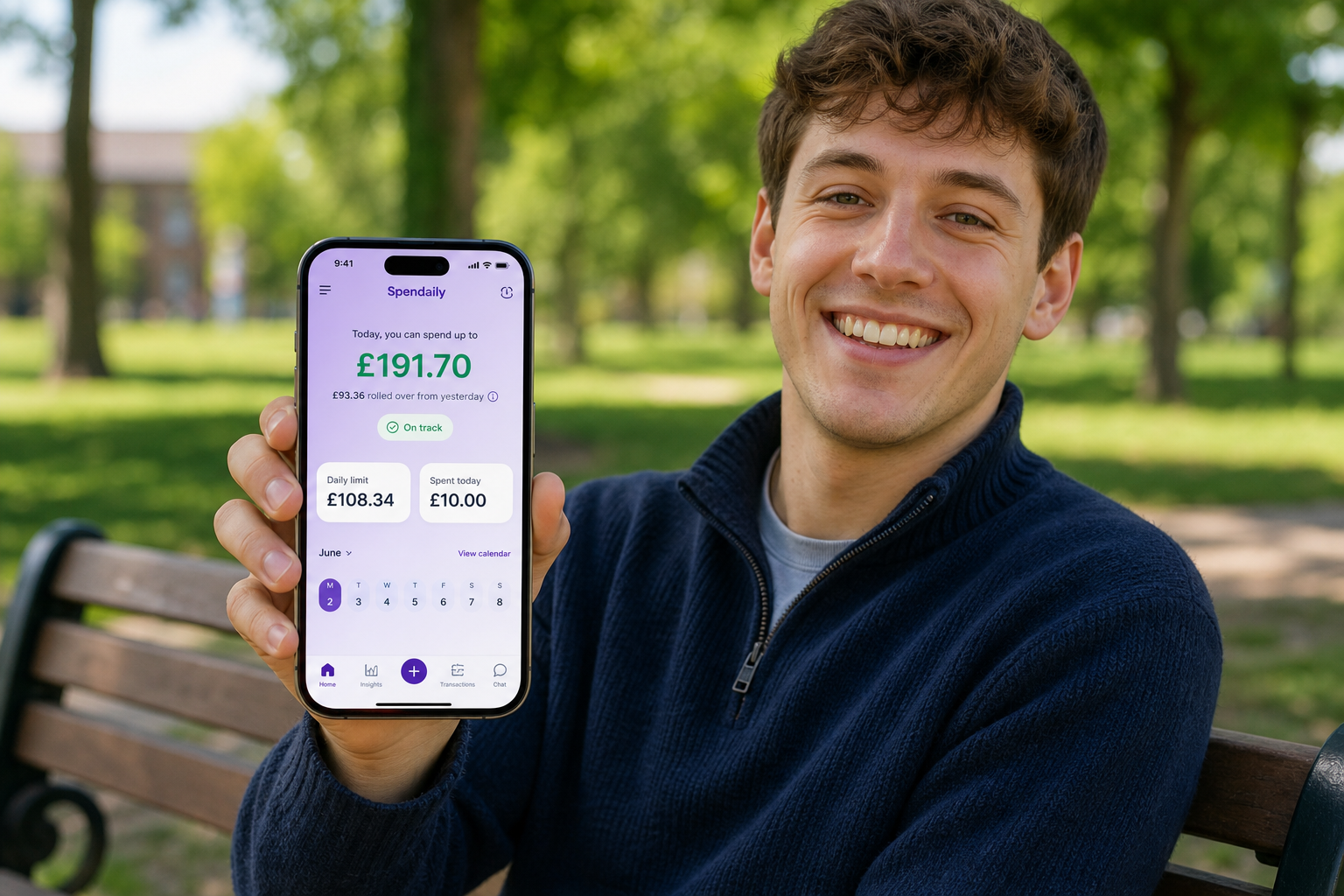
- Let the app calculate your new daily allowance after that saving.
- Create a named goal for the event and send surplus or scheduled amounts into it.
When the event arrives, you can enjoy it knowing the money has been quietly building in the background.
Keep reading: How to Travel on a Daily Budget, Daily Budget Calculator: Find Your Daily Spending Limit and Moving City in the UK: Build Your New Daily Budget First.
FAQ
How far in advance should I start saving for a big event?
Ideally as soon as you know it’s happening. Even 6-12 months of small daily amounts can fund a large part of a wedding, festival season or big birthday. The shorter the time frame, the bigger your daily or weekly saving needs to be.
How much should I budget per day for a festival?
It depends on the event and your habits. Many people find a range of £30-£60/day for food, drinks and extras on top of ticket and travel costs is realistic for UK festivals. Check recent attendee guides for the specific event.
What if my event budget feels too high?
Treat that as useful feedback. Look for places to trim: fewer guests, cheaper accommodation, simpler outfits or focusing spend on what matters most (like venue and photography for a wedding).
Should I put event costs on a credit card?
Using a card for protection on big purchases can make sense, but plan to pay it off from your event fund. Leaning on credit because there’s no fund in place can leave you paying for the event long after it’s over.
Can I save for multiple events at once?
Yes, but keep it simple. You might have one “events” pot that covers several festivals and celebrations, rather than a separate pot for each. Make sure your total monthly saving line still leaves enough daily money for regular life.