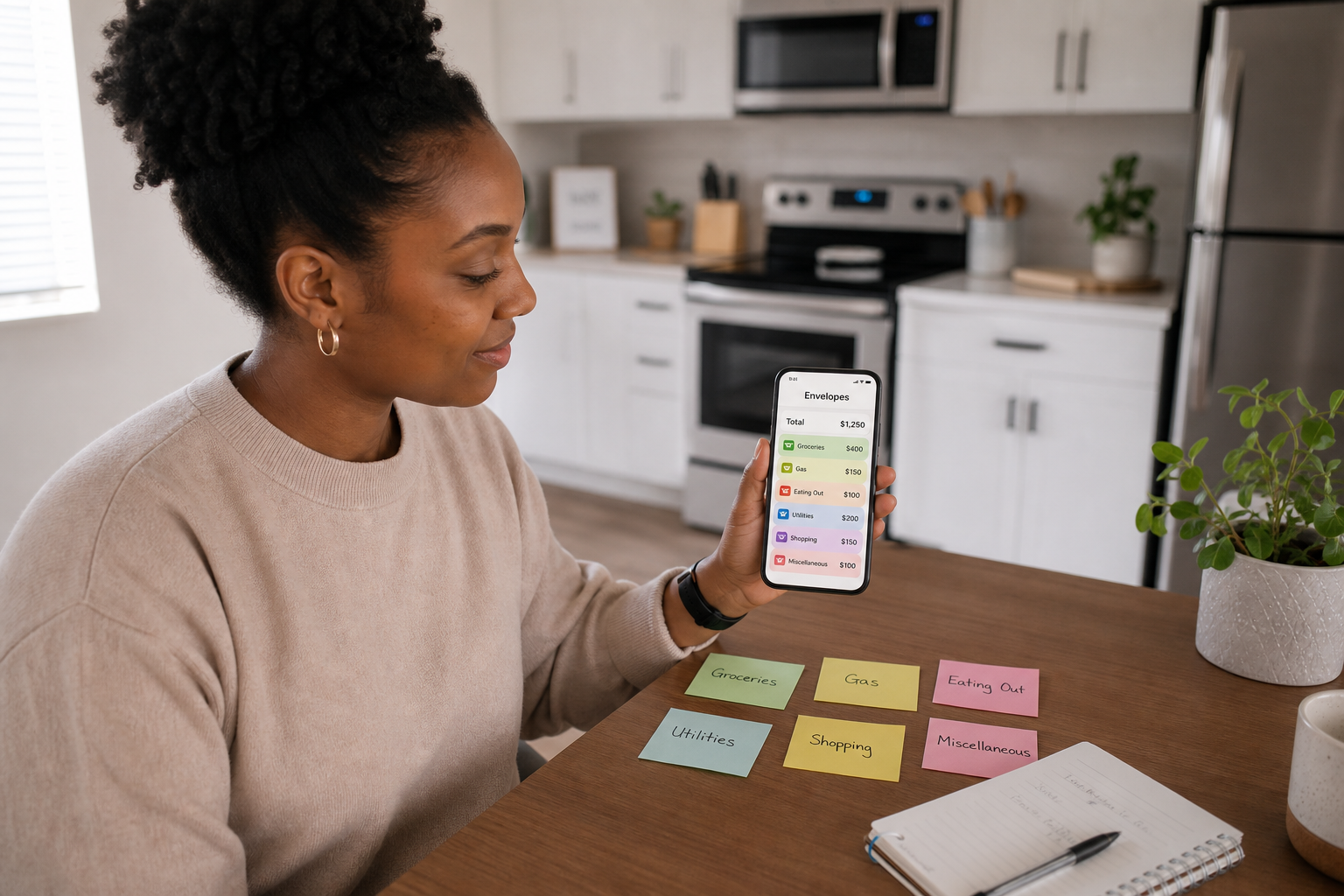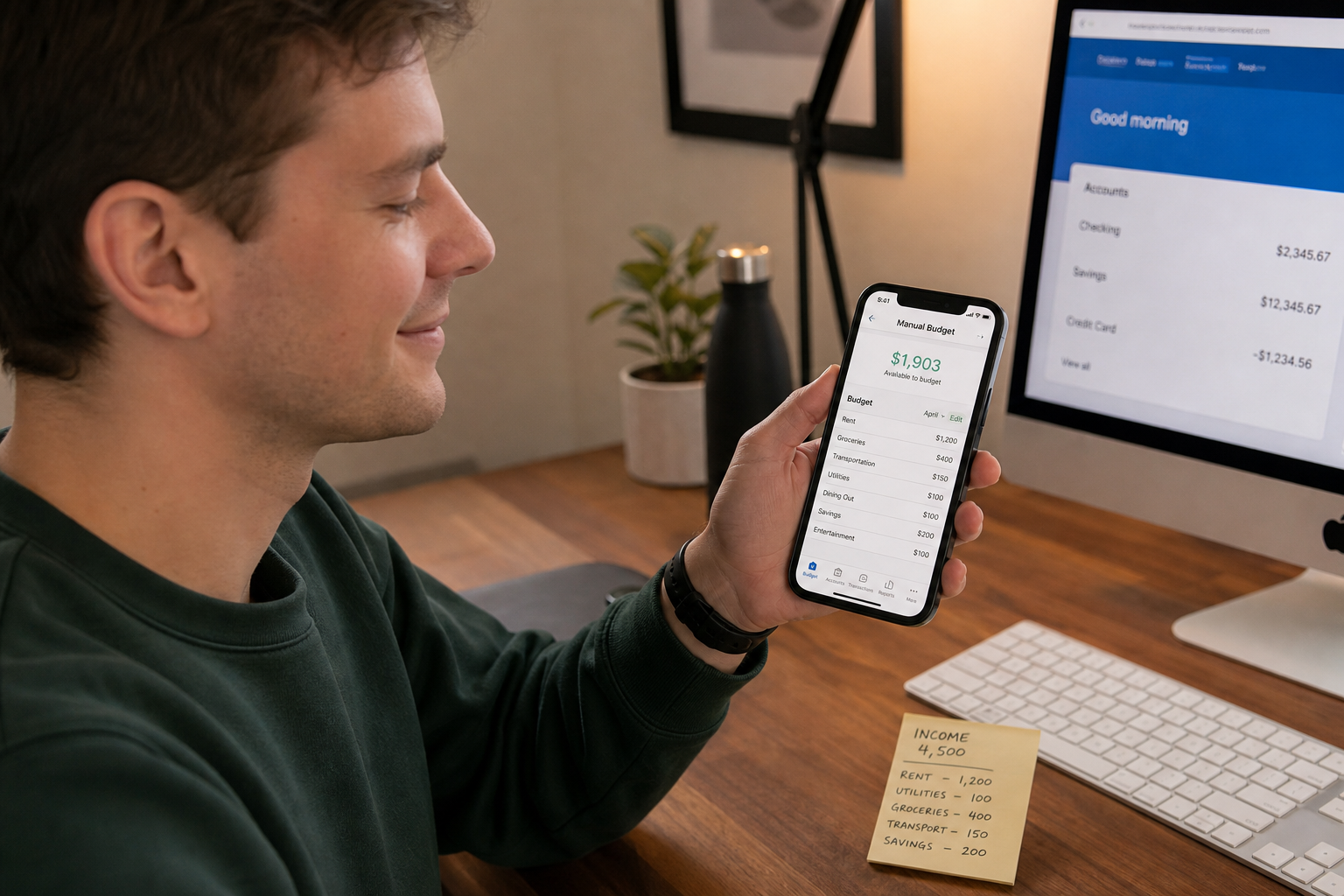
Daily budgeting works best when it’s built from real life: your pay cycle, your rent, your habits, your weak spots. The 30 tips below are based on what real people say actually helps them stick to a daily allowance, small moves that make money feel calmer without obsessing over every pound. Spendaily ties them together by giving you one daily number, rollover, goals and streaks, so these ideas live in a single simple system.
👉 Use Spendaily as the "container" for your own version of these tips. Download free on iOS →
Tips for Setting Your Daily Number
- Base it on reality, not hope. Use your actual last 2-3 months of bills and essentials to calculate what’s left for daily spending, not a guess from years ago.
- Tie it to your paycheque cycle. Set your budget from payday to payday so your daily allowance is aligned with when money arrives.
- Include tiny savings from day one. Even £1-£2/day skimmed to a buffer is better than waiting for "more income" that might not come soon.
- Recalculate when something big changes. Rent increase? New job? Don’t wait, update your fixed costs and let your daily number change now.
- Give yourself a "soft" and "hard" limit. Soft limit = your ideal daily number. Hard limit = the absolute ceiling you won’t cross unless it’s an emergency.
Tips for Sticking to Your Daily Allowance
- Check your daily number first, not your bank balance. Your balance lies; your daily number is the real constraint.
- Log spending immediately. It takes 5-10 seconds and keeps your number honest.
- Treat every tap as a tiny pause. Opening your budget app before paying adds just enough friction to stop some impulse buys.
- Default to "can I do this cheaper?" once a day. Swap one Uber for a bus, one takeaway for cooking, or one coffee out for making it at home.
- Plan one higher-spend day a week. Use rollover so a quiet Tuesday makes Friday more relaxed.
Micro-Savings and Rollover Tips
- Pick one micro-saving and stick with it. Packed lunch twice a week, one takeaway swap, or cancelling one subscription.
- Send micro-savings to a goal the same day. When you save £4, move £4 to a goal, don’t leave it floating.
- Use no-spend days as resets, not rules. One no-spend day per week is enough to see patterns and build rollover.
- Name your rollover. Instead of "extra", call it "festival fund" or "new phone", so it doesn’t get swallowed by random spending.
- Don’t spend every surplus day as a treat day. Let most of them feed your goals so treats genuinely feel special.
→ Micro-savings ideas with actual £ amounts: 10 Everyday Micro-Savings Ideas
Tips for Handling Hard Days
- Decide your response in advance. Overspend today? Tomorrow’s daily number drops, no drama, no shame.
- Have a "bad day" script. Something like: "Okay, that happened. What’s one thing I can do tomorrow to rebalance?"
- Keep an emergency list of cheap meals. So a tight day doesn’t automatically mean takeaway.
- Use a friend as a "pre-buy" text. Agree you’ll message them before big unplanned purchases.
- Reset at the next payday if needed. If the whole period has gone off the rails, rebuild from scratch instead of trying to patch forever.
→ How to turn leftover budget into goals instead of leaks: Daily Leftover Budget → Goals
Mindset and Motivation Tips
- Treat your daily budget as a speedometer, not a judge. It tells you where you are; it doesn’t decide whether you’re "good" or "bad" with money.
- Celebrate streaks, not perfection. 7 days of logging, 10 days under budget, those streaks matter more than one bad day.
- Focus on progress in £, not just percentages. "£120 closer to my trip" is more motivating than "6% of goal".
- Make the first goal small. A £60 goal you hit in a month feels better than a £600 goal that takes a year.
- Remember the real point. Daily budgeting is there to make your life calmer, not to turn money into a full-time hobby.
→ Use positive reinforcement, not punishment: Positive Reinforcement Budgeting
Tips for Specific Situations
- Students: Build your daily number out of your actual maintenance loan and rent, not generic advice. City matters.
- Irregular income: Recalculate your daily number whenever a payment lands instead of pretending you have a fixed salary.
- Couples: Use joint + personal daily allowances so you can spend without constant check-ins.
- Cost-of-living squeeze: Survival first, use your daily number to avoid new debt, then dial in micro-savings later.
- If you’ve "failed" at budgeting before: Assume the system failed you, not the other way around. Daily budgeting is a different system, lighter, more immediate, less guilt-driven.
→ City-specific student examples: Daily Budget Examples for UK Students in High Cost-of-Living Cities → Irregular income method: Budgeting Irregular Income with a Daily Allowance → Couples: Daily Budgeting for Couples → Cost of living: Daily Budgeting During Cost-of-Living Pressures
FAQ
Are these tips from experts or real people? They’re based on what people actually report doing in forums, comment sections on daily budgeting videos, and money-advice pieces, plus what we see work for Spendaily users, then organised into a system.
Do I need to apply all 30? No. Most people get 80% of the benefit from 3-5 that fit their life: a realistic daily number, instant logging, one micro-saving habit, a no-spend day, and a small first goal.
What if I’m already overwhelmed by money? Pick just two tips: check your daily number every morning and log every purchase for one week. Ignore everything else until that feels normal.
How does Spendaily fit into these tips? Spendaily gives you the container: daily allowance, rollover, goal tracking and streaks. The tips are ways to customise that container to your income, triggers and goals.